
liquidsnakemi
I Absolutely Love This Rare film. It is very educational. It shows the origin of foster care in Western countries.

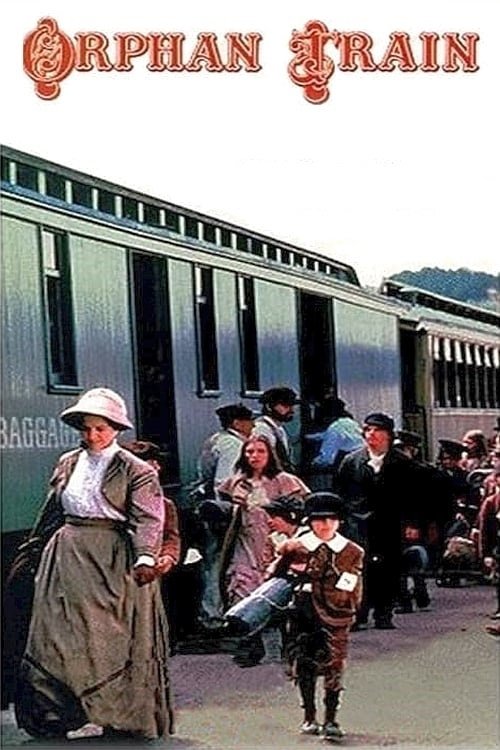
Movie spotlight
A dedicated social worker organizes a train trip for a group of slum orphans in 1894, taking them from New York City to the Midwest in search of new families and new lives.
The film dramatizes the true story of the Orphan Trains, a social welfare program from 1854 to 1929 that transported impoverished city children from the East Coast to foster homes in the American Midwest. It follows the journeys of several children and the adults involved in the program, highlighting the challenges, hopes, and hardships they faced.
As a made-for-television movie from 1979, 'Orphan Train' received a generally positive reception for its historical subject matter and dramatic portrayal of the children's plight. It was noted for its earnestness and for bringing attention to a significant, albeit often overlooked, chapter of American social history. While not a major critical darling, it resonated with audiences for its emotional impact and educational value.
Praised for its sensitive handling of a difficult historical topic.
Appreciated for bringing the plight of orphaned children to a wider audience.
Seen as a well-acted and emotionally engaging drama.
Google audience: Audience reviews for this specific television film are scarce. However, the subject matter of the Orphan Trains generally evokes empathy and interest in the resilience of children facing hardship and displacement.
Nominated for an Emmy Award for Outstanding Achievement in Costume Design (1980).
The film was one of the early television movies to tackle a specific historical social program, paving the way for later docudramas that explored similar themes.
AI-generated overview · Verify ratings on official sources
I Absolutely Love This Rare film. It is very educational. It shows the origin of foster care in Western countries.