Movie spotlight
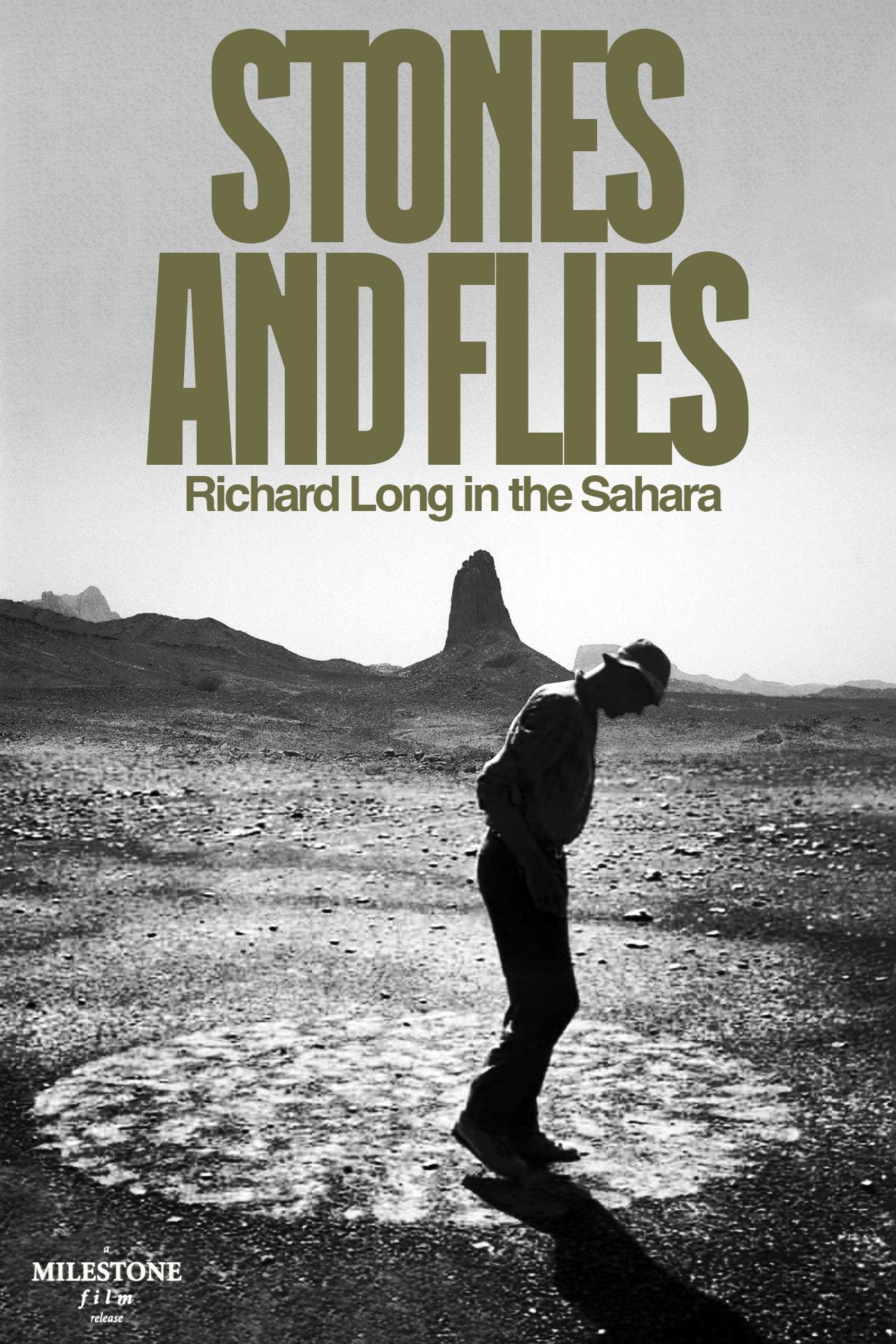
Stones and Flies: Richard Long in the Sahara
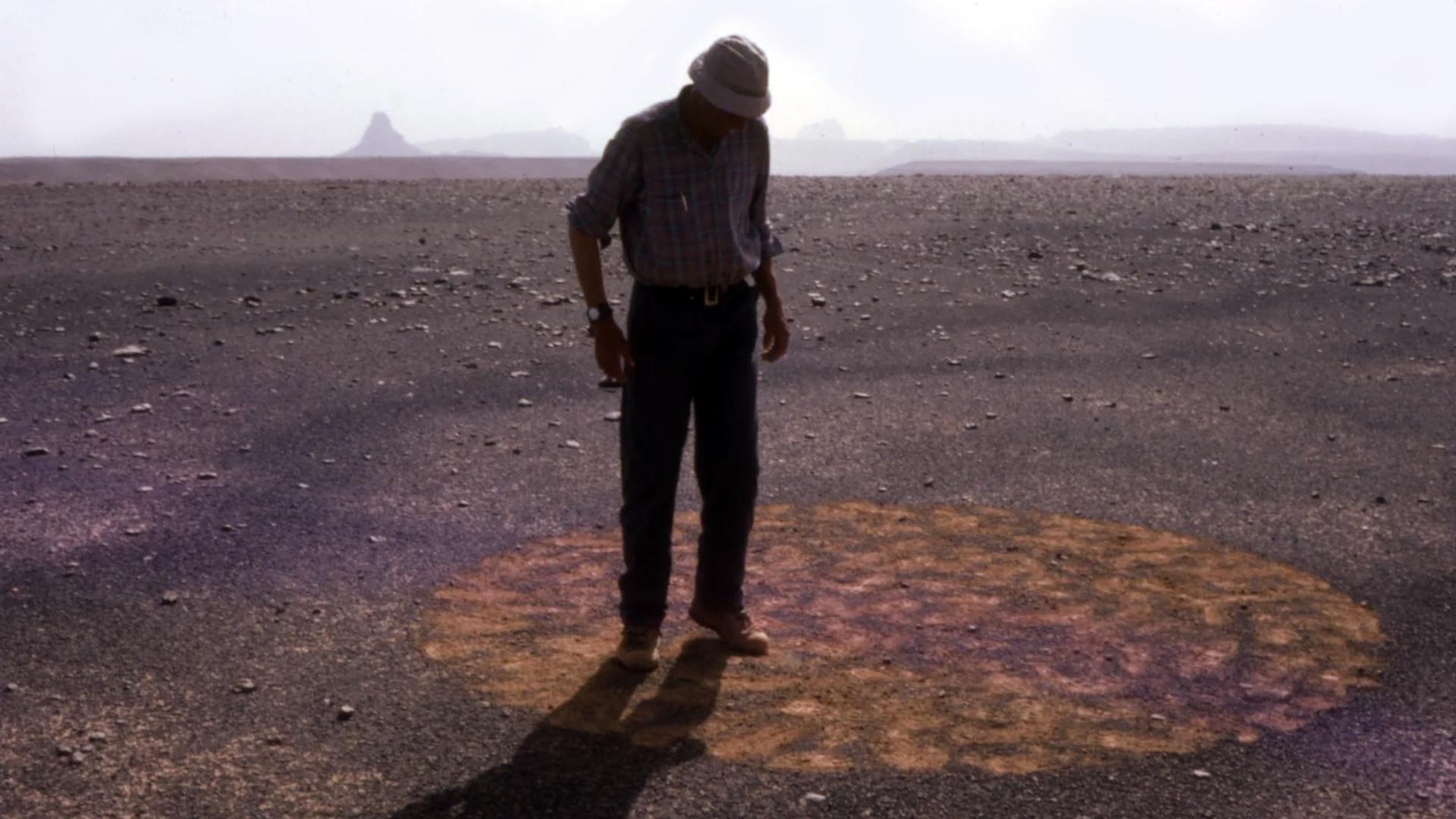
In the fall of 1987, Philippe Haas accompanied the sculptor Richard Long to the Algerian Sahara and filmed him tracing with his feet, or constructing with desert stones, simple geometric figures (straight lines, circles, spirals). In counterpoint to the images, Richard Long explains his approach. Since 1967, Richard Long (1945, Bristol), who belongs to the land art movement, has traveled the world on foot and installed, in places often inaccessible to the public, stones, sticks and driftwood found in situ. His ephemeral works are reproduced through photography. He thus made walking an art, and land art an aspiration of modern man for solitude in nature.
Insights
Plot Summary
This documentary explores the work of artist Richard Long, focusing on his significant trek through the Sahara Desert. It delves into his unique artistic practice, which often involves walking and arranging natural materials found in the landscape. The film captures the essence of his experience and the profound connection between the artist, his environment, and the traces he leaves behind.
Critical Reception
As a documentary focused on a specific artist and his process, "Stones and Flies" was primarily reviewed within art criticism circles. It is generally recognized for its insightful portrayal of Richard Long's conceptual art, particularly his land art interventions in remote locations. The film is appreciated for its contemplative pace and its success in conveying the philosophical underpinnings of Long's work.
What Reviewers Say
Captures the meditative and experiential nature of Richard Long's art.
Offers a visual journey into the artist's profound engagement with natural landscapes.
Highlights the philosophical significance of walking as an artistic act.
Google audience: Information on Google user reviews for this specific documentary is not widely available.
Fun Fact
Richard Long's artistic practice often involves creating ephemeral works by arranging stones, driftwood, or mud in simple patterns within the natural environment where he finds them, and his walks themselves are considered integral parts of his art.
AI-generated overview · Verify ratings on official sources