
Movie spotlight
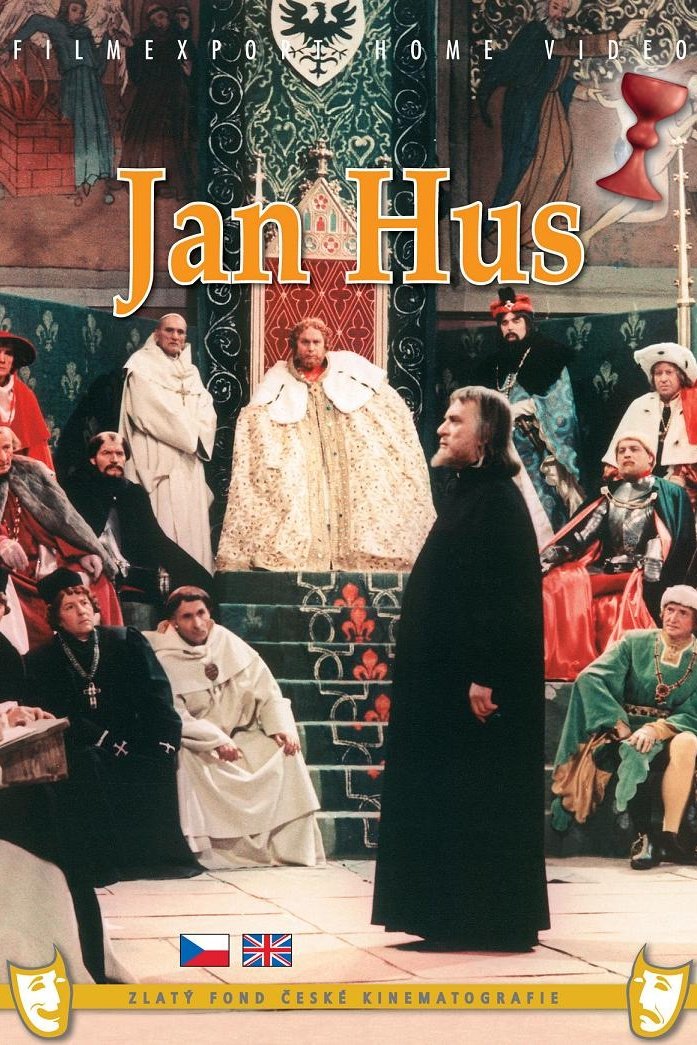
Jan Hus
The first part of the "Hussite Revolutionary Trilogy", completed with Jan Žižka (1955) and Proti všem (Against All Odds, 1957). The film captures the period from May 1412 to the summer of 1415, a turbulent time in the Czech Kingdom, during which there were protests in Prague against the sale of "omnipotent indulgences" whose sale throughout the kingdom was announced by Pope John XXIII. The ideological leader of this movement is the preacher Master Jan Hus, whose words, calling for the elimination of church abuses, are listened to in the Bethlehem Chapel by thousands of ordinary Praguers, Czech lords and Queen Sophie, wife of the Czech King Wenceslas IV.
Insights
Plot Summary
The film chronicles the life and struggle of Jan Hus, a Czech theologian and reformer who challenged the authority of the Catholic Church in the early 15th century. It depicts his rise from humble beginnings, his influential preaching and writings against corruption, and his eventual condemnation and execution as a heretic, sparking the Hussite Wars.
Critical Reception
As a historical drama produced in communist Czechoslovakia, "Jan Hus" was likely intended to serve nationalistic and ideological purposes, portraying Hus as a proto-socialist hero. Critical reception outside of its intended context is limited, but it is recognized as a significant work within Czech cinema for its historical scope and its role in shaping national identity.
What Reviewers Say
A visually impressive historical epic.
Captures the essence of a pivotal historical figure.
Reflects the nationalistic spirit of its production era.
Google audience: Audience reception information for "Jan Hus" is not readily available in English-language sources. Its impact is primarily within the context of Czech and Slovak cinema and its historical significance to the region.
Awards & Accolades
None notable internationally, but a significant film within Czech cinematic history and likely received domestic awards or recognition.
Fun Fact
The film was part of a trilogy by Otakar Vávra focusing on key figures in Czech history, preceded by 'Hymna' (1948) and followed by 'Bratři Grimmové' (1954) which focused on the Brothers Grimm, though the latter is less directly a historical biography of a Czech figure.
AI-generated overview · Verify ratings on official sources