IMDb8.7/10
Rotten Tomatoes95%
Google Users97%
Director: Masaki Kobayashi•Genres: Action, Drama, Mystery
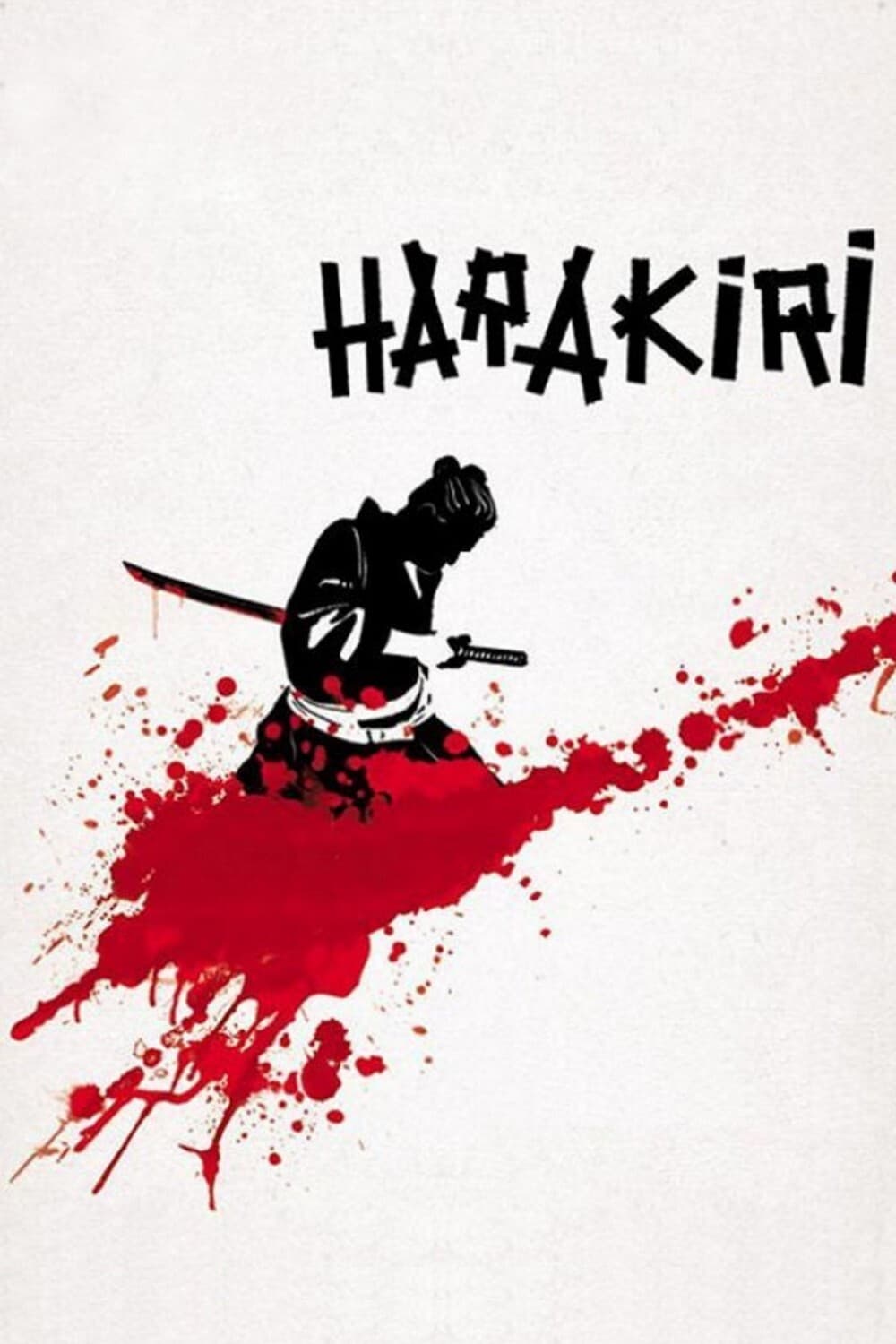
In feudal Japan, a ronin named Hanshiro Tsugumo requests to commit ritual suicide by disembowelment (harakiri) in the courtyard of the Li Clan. As his story unfolds, he reveals a grim past that intertwines with the corrupt practices of the samurai class and the hypocrisy of the ruling council. His demand for honorable death exposes the dark secrets and brutal traditions that bind the samurai, leading to a devastating confrontation.
Harakiri is widely regarded as one of the greatest samurai films ever made, celebrated for its unflinching critique of feudal Japanese society and its masterful direction. It has earned acclaim from critics for its powerful storytelling, compelling performances, and stark visual style, resonating with both academic and general audiences.
A profound and visually stunning examination of honor and deception in samurai culture.
Masterful direction and a gripping narrative that critiques the rigid social structures of feudal Japan.
Tatsuya Nakadai delivers a powerful performance as a ronin whose quest for justice exposes deep-seated corruption.
Google audience: Viewers consistently praise Harakiri for its impactful storytelling, its sophisticated exploration of samurai ethics, and its stunning cinematography. Many find the film to be a deeply moving and thought-provoking masterpiece that transcends the typical samurai genre.
Jury Special Prize at the Cannes Film Festival (1963)
Director Masaki Kobayashi was reportedly so disgusted by the treatment of junior staff on his previous film that he personally ensured fair working conditions and pay for the crew of Harakiri, even to the point of taking a pay cut himself.
AI-generated overview · Verify ratings on official sources