Movie spotlight
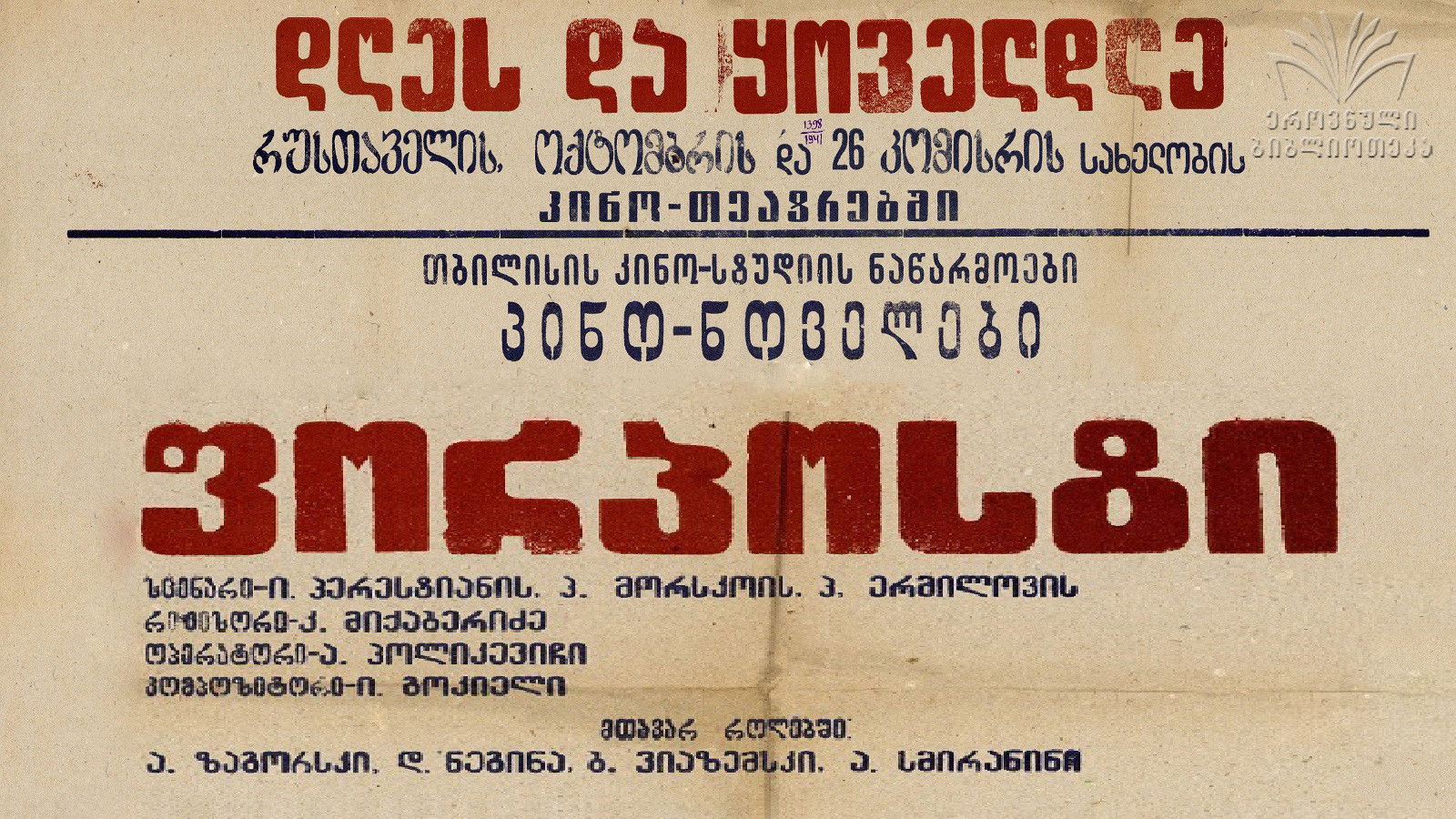
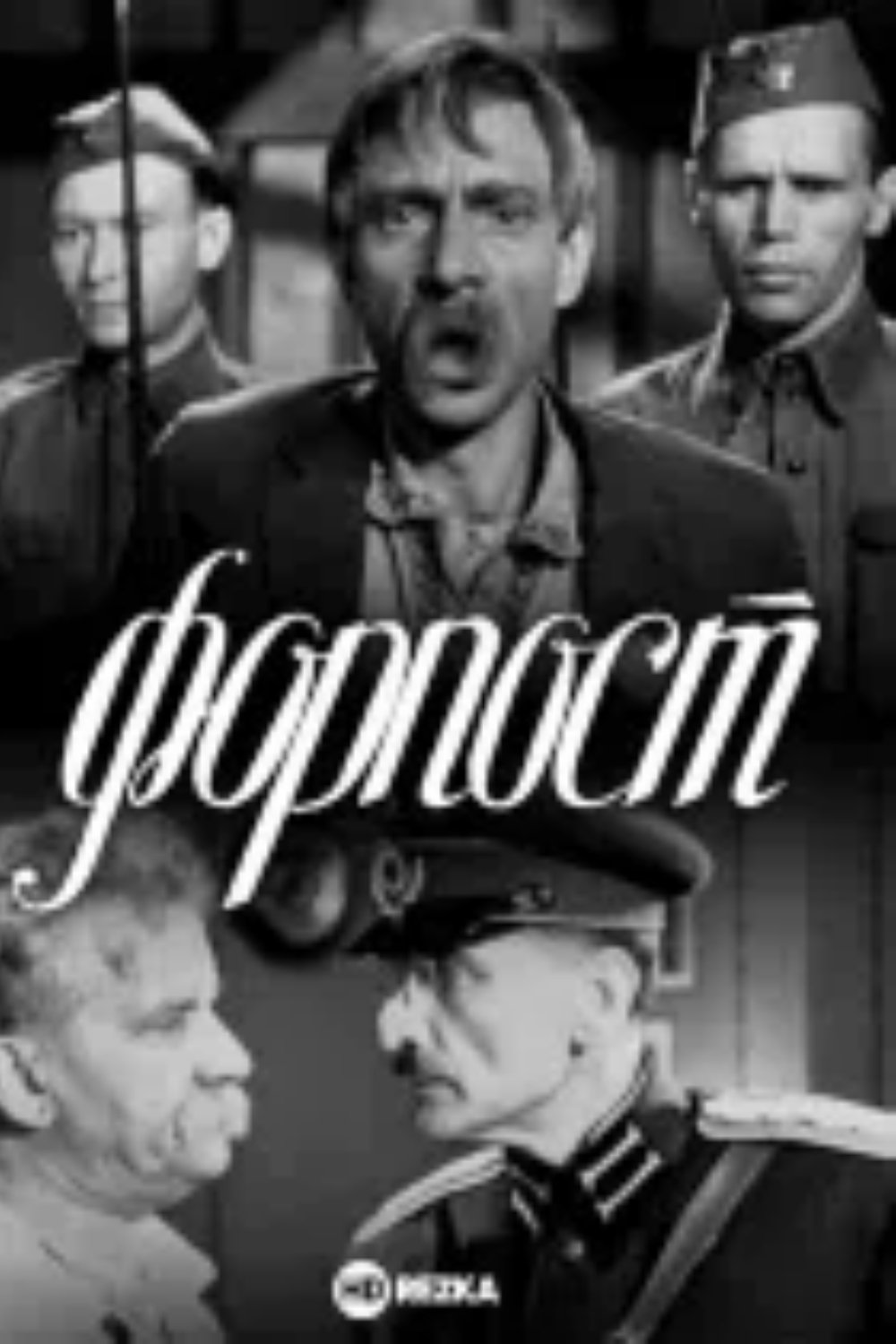
Outpost
June 22, 1941. The day began as usual at a museum on the western border of the Soviet Union, but in the afternoon a bloodied horseman burst into the museum courtyard. It was the commander of the guard. The museum director, his wife, the gardener, and the commander set up a makeshift barricade. Soon a fascist motorcade appeared. The museum's defenders fought fiercely and held off the enemy until rescue forces arrived.
Insights
Plot Summary
Set during the Soviet-Finnish War, the film follows a group of Red Army soldiers defending a remote outpost against Finnish forces. Faced with harsh conditions and overwhelming odds, the soldiers must rely on their courage and camaraderie to survive. The narrative highlights the struggles and sacrifices of ordinary soldiers in the face of brutal conflict.
Critical Reception
As a Soviet-era propaganda film, "Outpost" was intended to bolster morale and depict the Red Army heroically. While it received positive attention within the Soviet Union for its patriotic themes and depiction of resilience, its critical reception outside of its intended audience is less documented. Modern assessments often view it within the context of wartime filmmaking and its historical period.
What Reviewers Say
Praised for its portrayal of Soviet resilience during wartime.
Seen as a significant example of Soviet propaganda filmmaking from the era.
Offers a stark depiction of the harsh realities of border conflicts.
Google audience: Information regarding Google user reviews for "Outpost (1941)" is not readily available.
Fun Fact
The film was directed by Eduard Tisse, a renowned cinematographer who frequently collaborated with Sergei Eisenstein on classics like "Battleship Potemkin" and "Alexander Nevsky".
AI-generated overview · Verify ratings on official sources