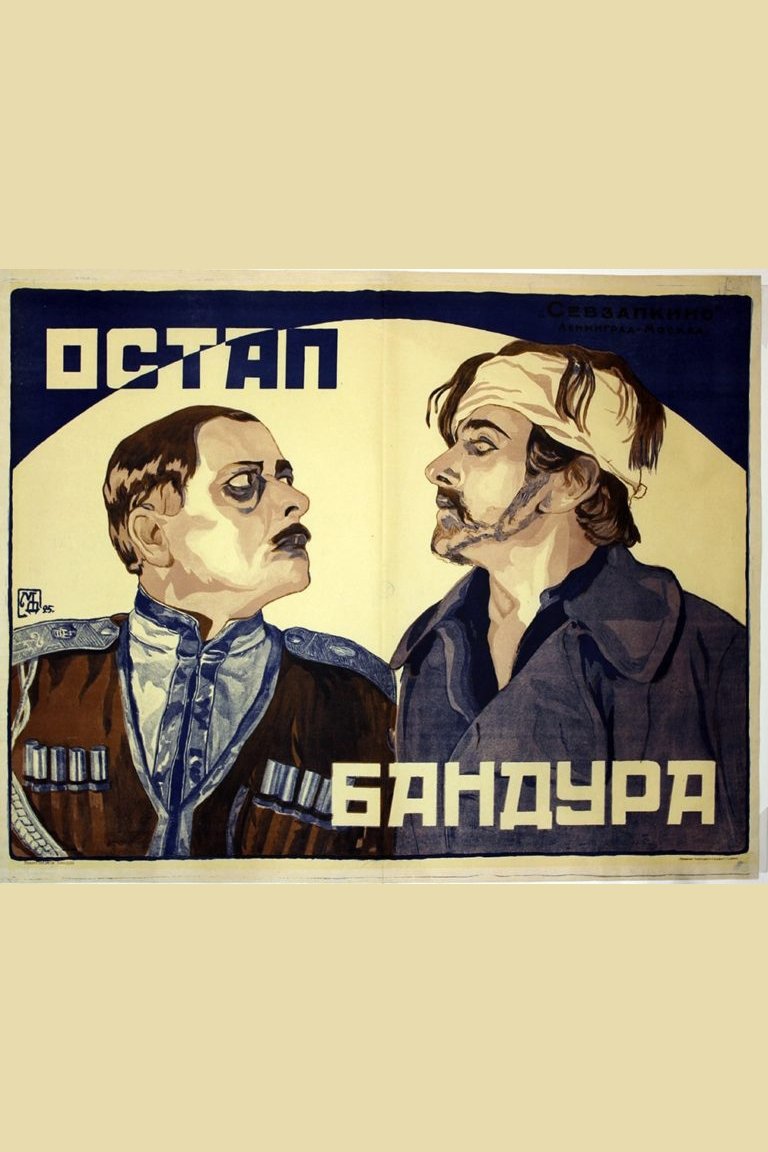
Movie spotlight
Ostap Bandura
Ukrainian Soviet film about the fate of a young Ukrainian peasant who became a participant in the revolutionary struggle.
Insights
Plot Summary
Set against the backdrop of Ukrainian history, the film depicts the life and struggles of Ostap Bandura, a figure embodying the spirit of rebellion and the fight for freedom. It explores themes of national identity, resistance against oppression, and the harsh realities faced by ordinary people during turbulent times. The narrative follows Bandura's journey as he navigates betrayal, loyalty, and the enduring quest for self-determination for his people.
Critical Reception
As a silent film from the early Soviet era, 'Ostap Bandura' is primarily appreciated for its historical significance and its place in the development of Ukrainian cinema. While specific contemporary reviews are scarce, it is recognized as an early work of Oleksandr Dovzhenko, showcasing his burgeoning stylistic elements. Modern critical analysis often highlights its propaganda aspects, alongside its artistic merits and its contribution to national cinematic narratives.
What Reviewers Say
An important early work in Ukrainian cinema, showcasing Dovzhenko's emerging style.
Reflects the political and social climate of the Soviet Union in the 1920s.
Valued more for its historical context and national significance than for its immediate artistic impact.
Google audience: Information regarding Google user reviews for this early silent film is not available.
Fun Fact
Oleksandr Dovzhenko, the director of 'Ostap Bandura', would go on to become one of the most celebrated filmmakers of the Soviet Union, known for his poetic and visually striking films like 'Earth' (Zemlya).
AI-generated overview · Verify ratings on official sources