
Movie spotlight
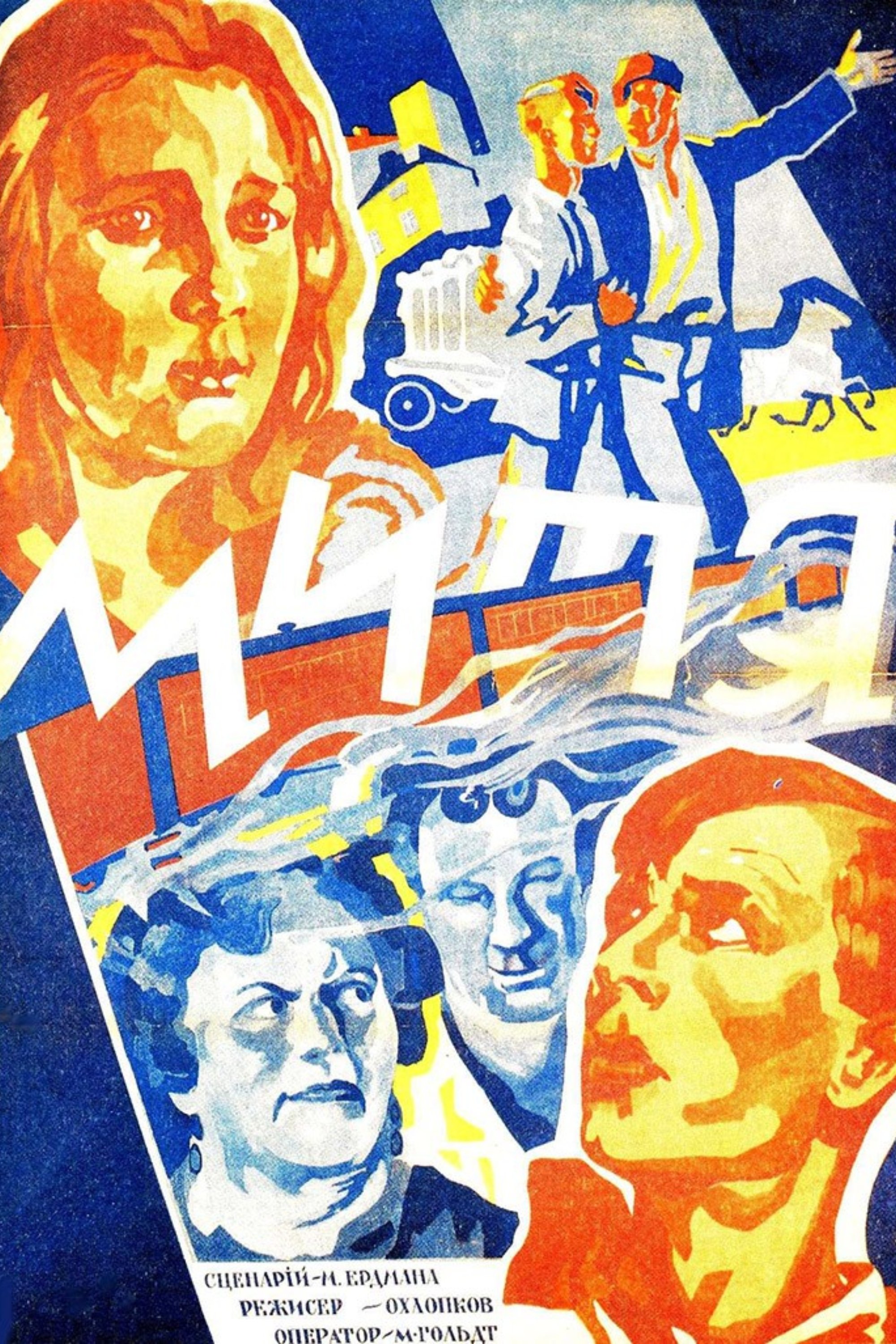
Mitya
Exposing the customs of provincial philistinism in the years of NEP. Small town. Mitya, going to the party of his bride Shurochka, finds a dying woman with infants. When he comes to visit the child, everyone decides that he was the father - and kicks him out. Mitya decides to drown himself. Unknown saves him and helps to stage his own funeral. During the mourning ceremony, Mitya rise from the grave, thanks the inhabitants petrified by horror, and leaves the city forever.
Insights
Plot Summary
Set during World War I, Mitya tells the story of a young man who is deeply affected by the war and its consequences. As his world is shattered by conflict, he grapples with loss, trauma, and the moral complexities of wartime. The film follows his journey as he tries to find meaning and survive in a world turned upside down.
Critical Reception
Mitya is a significant film from the Soviet silent era, often praised for its emotional depth and visual storytelling. Critics at the time noted its powerful depiction of the human cost of war and its compelling performances, particularly from Mikhail Zharov. While not as widely known internationally as some other Soviet classics, it holds a respected place in film history.
What Reviewers Say
Praised for its poignant portrayal of war's impact on individuals.
Recognized for strong performances, especially Mikhail Zharov.
Valued as a notable example of Soviet silent cinema.
Google audience: Information on Google user reviews for this silent film from 1927 is not readily available.
Fun Fact
Fedor Otsep, the director of Mitya, was known for his sophisticated directorial style and often worked with prominent actors of the Soviet cinema.
AI-generated overview · Verify ratings on official sources