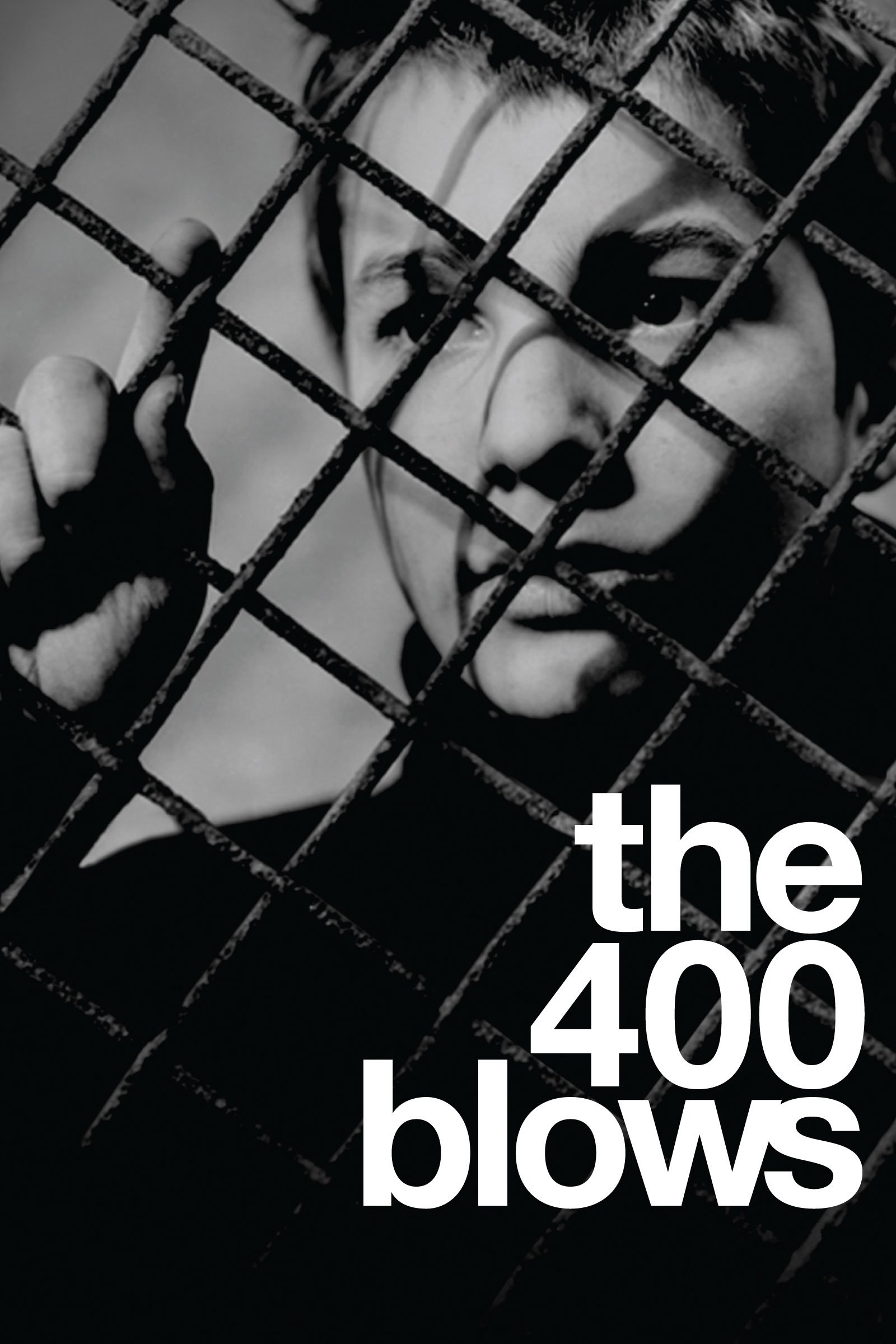



The 400 Blows
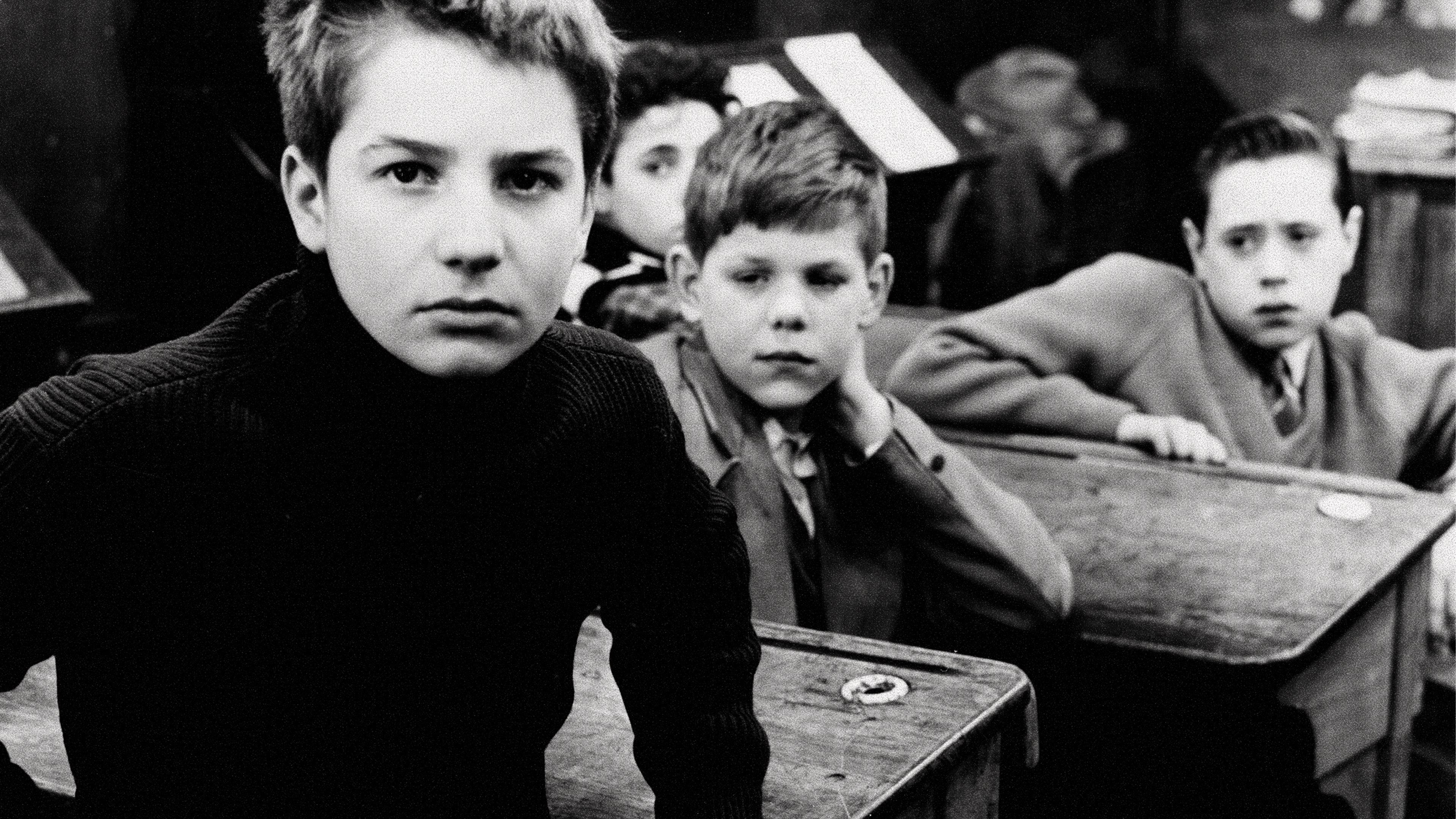
For young Parisian boy Antoine Doinel, life is one difficult situation after another. Surrounded by inconsiderate adults, including his neglectful parents, Antoine spends his days with his best friend, Rene, trying to plan for a better life. When one of their schemes goes awry, Antoine ends up in trouble with the law, leading to even more conflicts with unsympathetic authority figures.
Insights
Plot Summary
Antoine Doinel, a young Parisian boy, struggles with a difficult home life and the rigid school system. Constantly getting into trouble, he often escapes to the streets with his best friend. His petty crimes escalate, leading him to an observation center, a turning point in his troubled youth.
Critical Reception
The 400 Blows is widely regarded as a landmark film of the French New Wave, earning critical acclaim for its raw portrayal of childhood alienation and its semi-autobiographical elements. It resonated with audiences for its authenticity and Truffaut's empathetic direction, establishing it as a classic of arthouse cinema.
What Reviewers Say
- Praised for its honest and poignant depiction of a troubled youth.
- Lauded for its groundbreaking cinematic style and emotional depth.
- Celebrated as a seminal work of the French New Wave.
Google audience: Audiences frequently praise the film's authentic and moving portrayal of adolescence, its relatable protagonist, and its lasting impact on cinema. Many consider it a deeply affecting and timeless masterpiece.
Awards & Accolades
1959 Cannes Film Festival: Best Director, Nominated for Palme d'Or.
Fun Fact
The film was semi-autobiographical for director François Truffaut, drawing from his own difficult childhood experiences, including being sent to a reform school.
AI-generated overview · Verify ratings on official sources
My Review
TMDB Reviews
1 reviews