
Movie spotlight
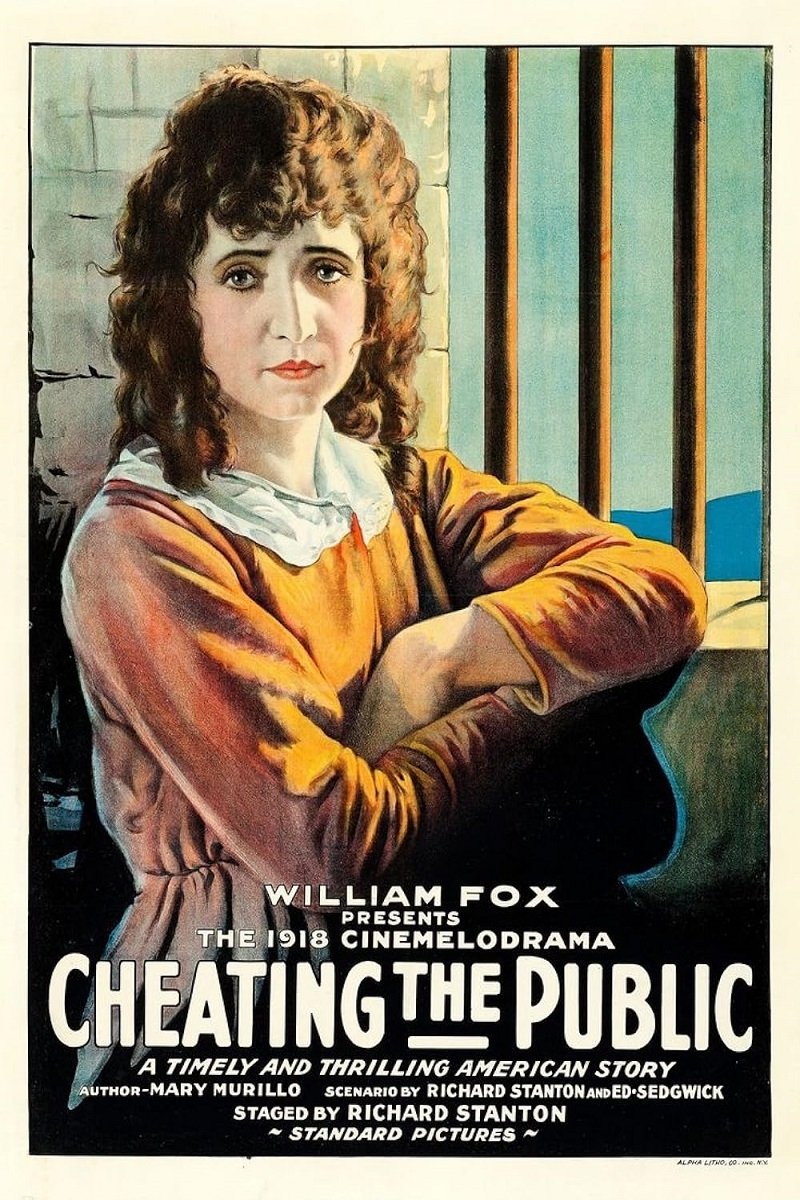
Cheating the Public
John Dowling, a greedy factory owner, cuts his employees' pay while raising their food prices at the company store. The employees strike but to no avail. Mary Garvin visits Dowling to plead the laborers' cause, but because her mother had once refused his marriage proposal, he attacks Mary out of revenge. In the struggle, Dowling is shot, and Mary is tried and convicted of murder. Before the execution, foreman "Bull" Thompson boasts that his bullet killed Dowling during Mary and the factory owner's struggle, and Dowling's son Chester, who has attempted to introduce reforms into the factory, races to the governor's train to secure a pardon for Mary. After Mary's release, she and Chester are married.
Insights
Plot Summary
A young man, burdened by debt and facing ruin, is enticed into a life of crime by a smooth-talking confidence man. He becomes involved in a series of elaborate cons, which lead him down a path of moral compromise. As the stakes get higher, he must confront the consequences of his actions and the impact on those he cares about.
Critical Reception
Information regarding the critical reception of 'Cheating the Public' from 1918 is largely unavailable due to the passage of time and the nature of film archiving from that era. Contemporary reviews, if they exist, are not widely accessible. The film's notoriety stems more from its historical context as an early crime drama and its actors than from extensive critical analysis.
What Reviewers Say
As an early silent film, its technical merits and narrative complexity would have been judged by the standards of the time.
The film likely explored themes of morality and the corrupting influence of wealth and crime, common in dramas of the era.
Its value today is primarily as a historical artifact of early American cinema.
Google audience: Audience reviews from the period are not available. Modern viewers would likely appreciate its historical significance as a silent crime drama.
Fun Fact
The film is notable for featuring early performances from actors who would go on to have careers in Hollywood during the silent and early sound eras, such as Albert Ray and Claire Du Brey.
AI-generated overview · Verify ratings on official sources