
Movie spotlight
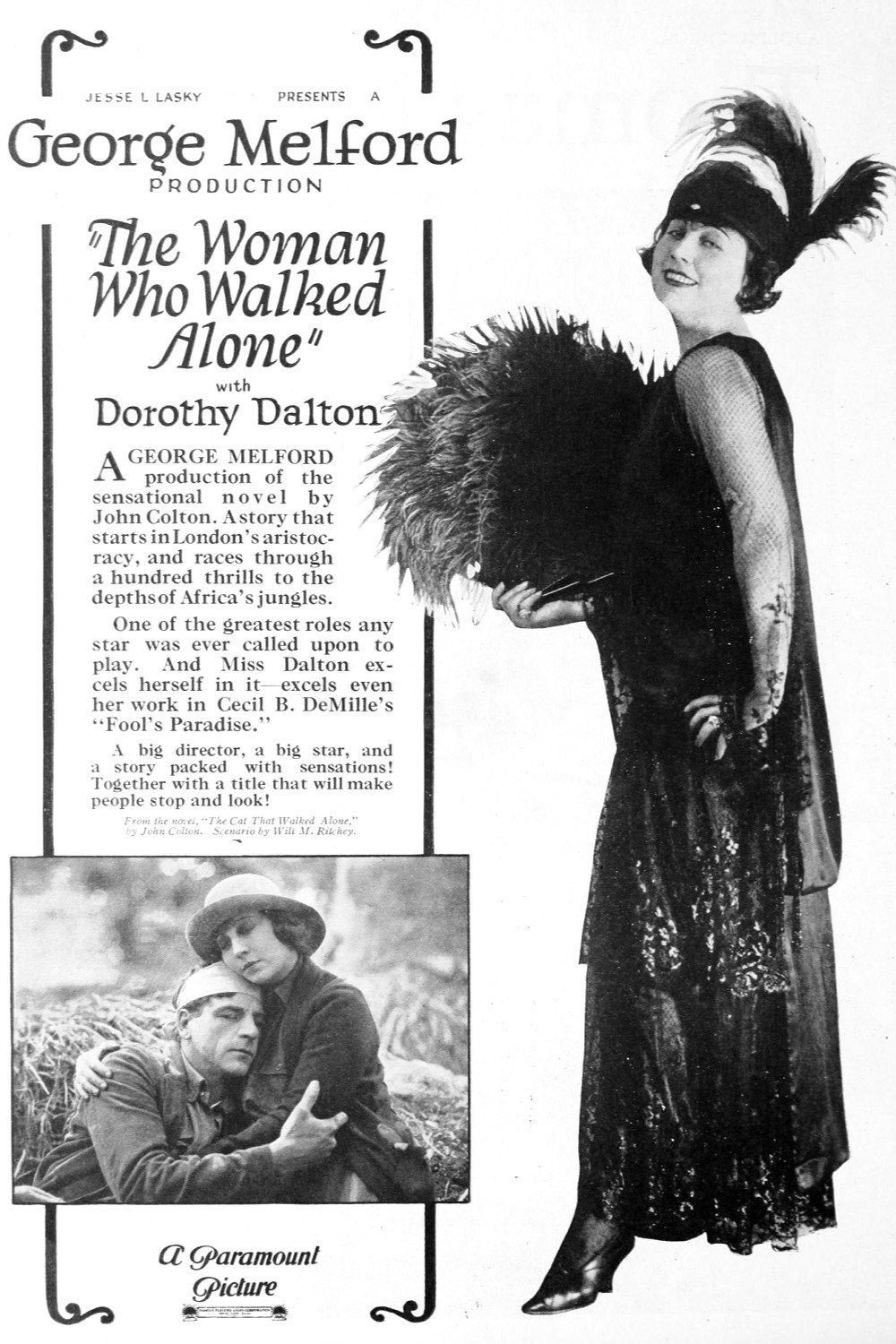
The Woman Who Walked Alone
When Iris Champneys’ marriage to the Earl of Lemister ends in divorce she moves to Africa to operate a tavern. Seven years later she becomes reacquainted with Clement Gaunt, formerly employed by Lemister and secretly in love with Iris, who is on the run after being falsely accused of the murder of the owner of the ranch where he was once foreman. The real culprit, the rancher’s wife Hannah, accused Clem when he refused to run away with her. Iris, learning of his predicament, rides to Hannah Schriemann, telling her that Clem has been executed for her crime. When the police bring Clem to the house, Hannah--frightened by his "ghost"--confesses, and Iris and Clem find a way to happiness.
Insights
Plot Summary
A young woman is abandoned in the wilderness and struggles to survive. She is eventually taken in by a man who lives in isolation. Their relationship is tested by the harsh environment and the secrets they both carry. The film explores themes of resilience, love, and the wild.
Critical Reception
Upon its release, 'The Woman Who Walked Alone' received a mixed to positive reception, with critics often praising its dramatic intensity and the performances of its lead actors, particularly Marie Prevost. However, some found the pacing to be slow in parts. Audience reception was generally favorable, appreciating the film's melodrama and its portrayal of survival against the odds.
What Reviewers Say
Praised for its strong dramatic performances, especially from Marie Prevost.
Noted for its compelling depiction of survival in a harsh environment.
Some critics found the narrative occasionally sluggish.
Google audience: Information regarding Google user reviews for this film from 1922 is not available.
Fun Fact
This film is notable for its early depiction of a strong female protagonist facing extreme circumstances, which was somewhat unusual for Westerns of that era.
AI-generated overview · Verify ratings on official sources