
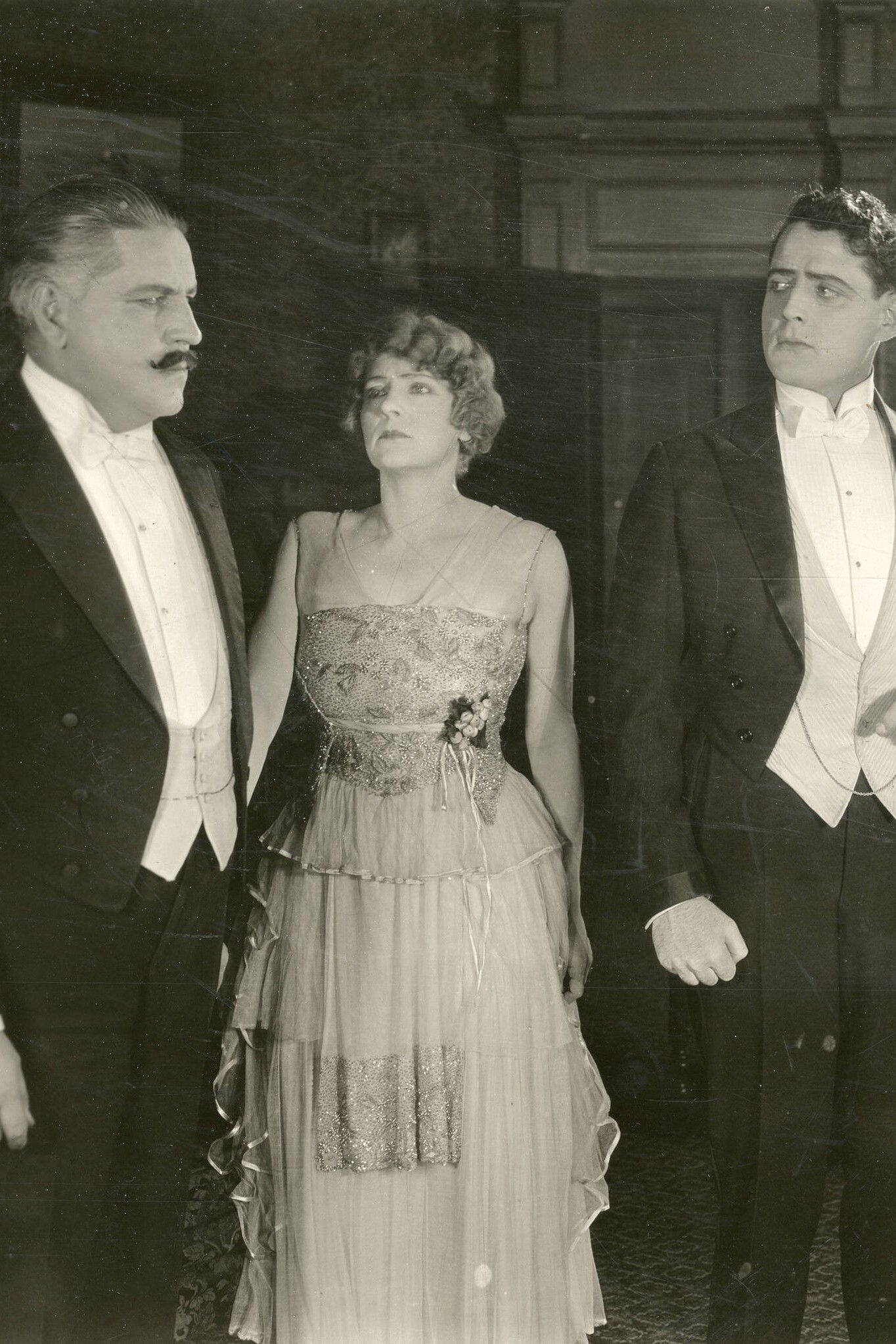
Movie spotlight
Come Again Smith
Joe Smith Jr., the son of a millionaire, is challenged by his father to earn his own living instead of depending on his father's money. One year later Joe is broke, dirty, homeless and hanging out with other derelicts on a New York City park bench. A chance meeting with businessman Ned Stervens results in Joe being invited to stay in Stevens' house for a week, to make Stevens' point to his acquaintance Frank Overton---a shady stockbroker--that given a chance, even a tramp like Joe can better himself. Joe finds himself in love with Stevens' sister Lucy and unwittingly becomes party to a scheme by Overton to swindle Lucy out of her money.
Insights
Plot Summary
This silent film follows the story of Smith, a man who seems to lead a rather unremarkable life. However, through a series of encounters and perhaps a touch of fate, he finds himself in situations that challenge his perceptions and lead him to re-evaluate his choices and his place in the world. The narrative explores themes of self-discovery and the unexpected turns life can take.
Critical Reception
As a silent film from 1919, specific critical reception data is scarce. However, films of this era from directors like William C. deMille were generally well-received for their storytelling and performances within the conventions of the time. It likely garnered attention for its dramatic narrative and acting.
What Reviewers Say
Likely appreciated for its engaging narrative structure common in early dramatic films.
Performances were probably noted as fitting the melodrama of the period.
The film's themes of personal reflection would have resonated with audiences seeking relatable stories.
Google audience: Information on specific audience reviews from 1919 is not readily available in modern databases. However, silent films of this nature typically appealed to a broad audience interested in dramatic and sometimes moralistic storytelling.
Fun Fact
The film's title, 'Come Again Smith', likely hints at a recurring character or a lesson learned that would prompt a return or a second chance, a common trope in early 20th-century cinema.
AI-generated overview · Verify ratings on official sources