Movie spotlight
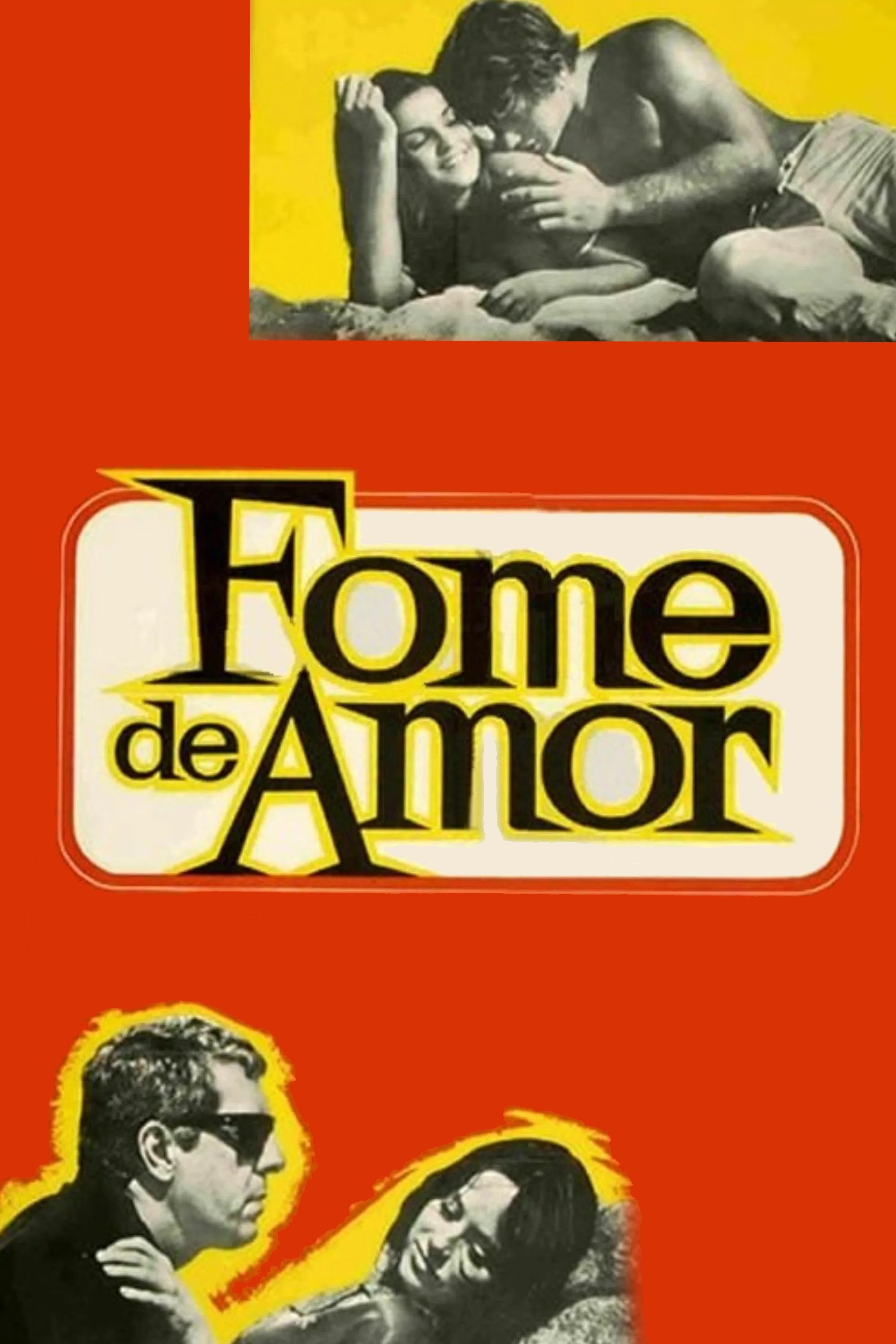
Hunger for Love
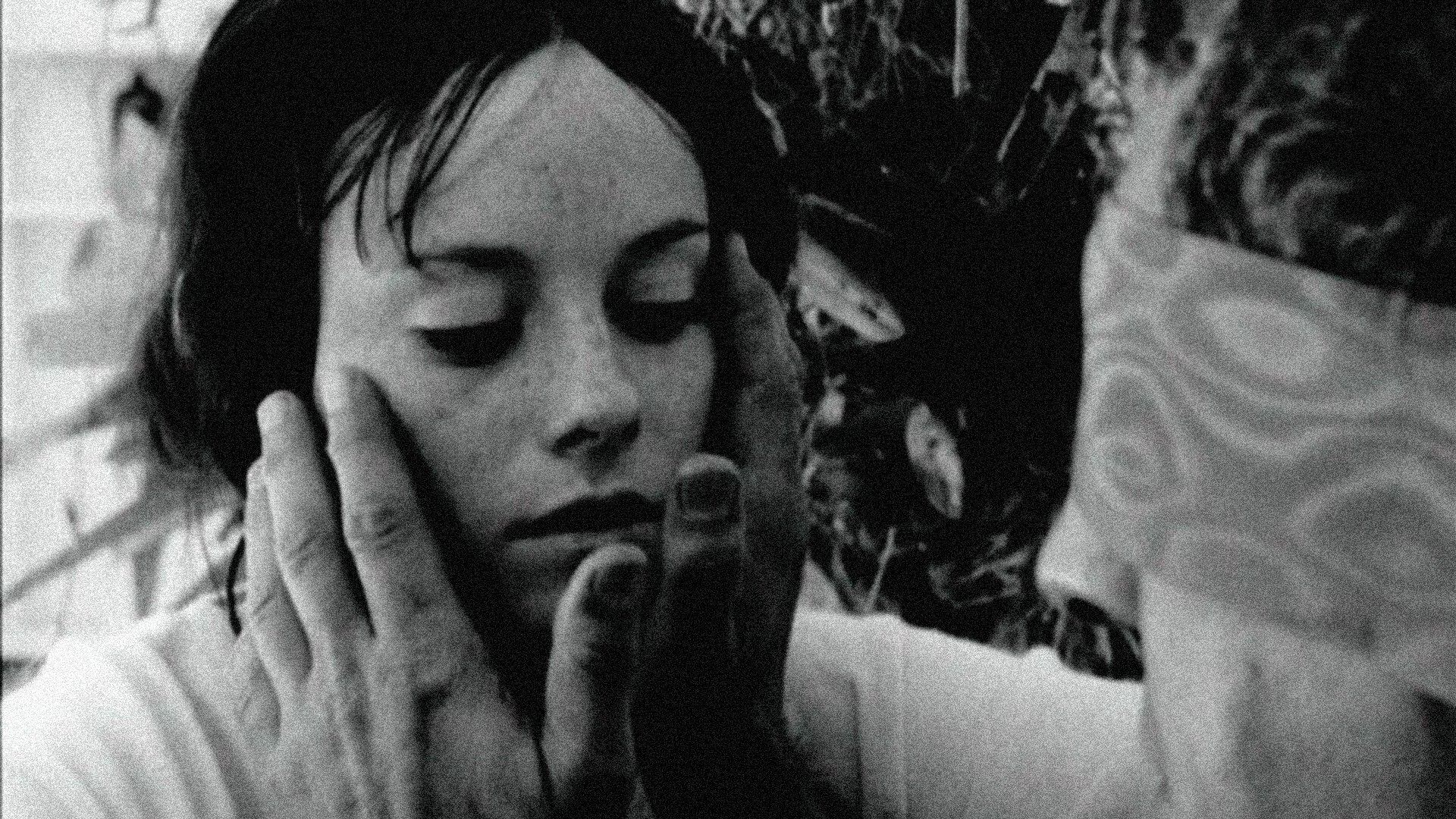
An extended research tour of US university film programs introduced dos Santos to the American avant-garde filmmakers, among them Jonas Mekas and Stan Brakhage, who would directly inspire his formally radical adaptation of an allegorical short story about adultery and colonialism by Guilherme de Figueiredo. Filmed in both Manhattan and Brazil and set against the background of the Vietnam War and its protests, Hunger for Love uses a rigorously abstract soundtrack and narrative structure to evoke the acute paranoia of the period building up to the December 1968 military coup that tipped Brazil perilously close to a conservative dictatorship. With its harsh critique of the decadent tendencies of the Sixties counterculture, Hunger for Love offers a key expression of the self-consciously “ideological” phase of Cinema Novo. -Harvard Film Archive
Insights
Plot Summary
The film explores themes of desire, obsession, and the complex relationships between individuals. It follows a narrative centered around intense emotional and psychological entanglements, delving into the darker aspects of human connection. The story unfolds through a series of encounters that reveal the characters' underlying motivations and vulnerabilities.
Critical Reception
Hunger for Love is a highly experimental and controversial film that garnered niche attention upon its release. Critically, it was often divisive, with some praising its bold exploration of taboo subjects and avant-garde style, while others condemned its explicit nature and challenging narrative. It remains a significant, albeit obscure, work within certain cinematic circles.
What Reviewers Say
Praised for its daring exploration of eroticism and psychological depth.
Criticized for its challenging and often explicit content.
Recognized as an avant-garde and cult film that pushes cinematic boundaries.
Google audience: Audience reviews are scarce due to the film's cult status and limited distribution. Those who have seen it often note its provocative nature and unique artistic vision, with opinions largely split between admiration for its unconventional approach and discomfort with its subject matter.
Fun Fact
The film is based on Pierre Klossowski's own novel 'Roberte Ce Soir'.
AI-generated overview · Verify ratings on official sources