Movie spotlight
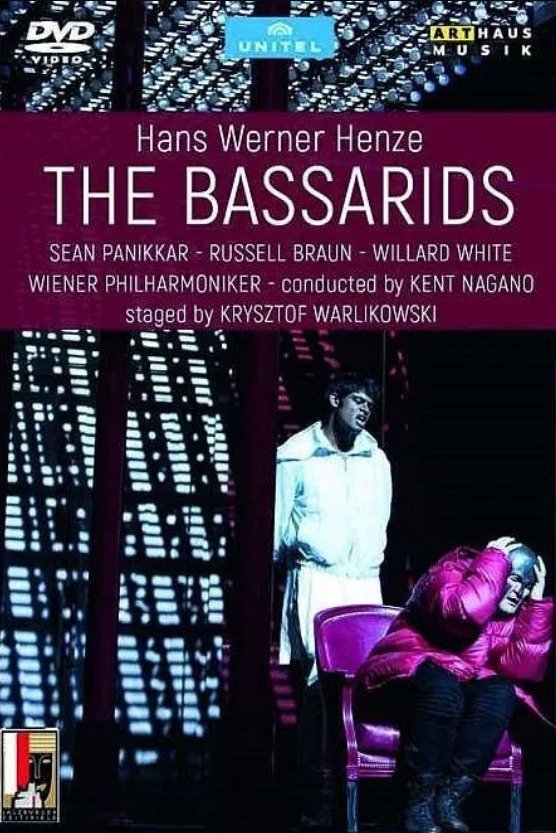
Hans Werner Henze: The Bassarids
The opera, inspired by Euripides’ tragedy The Bacchae, is as seductive as it is topical: When Dionysus – is he a charlatan? is he a demigod? – bursts into the intact world of ancient Thebes, he plunges a city into chaos. In stark contrast to his cousin, King Pentheus, who leads a life marked by purity and asceticism, Dionysus preaches intoxicating excess and sensuality. Aware of the story’s political dimension that resonates in present day politics, Krzysztof Warlikowski brings one of his famed psychological stagings to the Felsenreitschule in Salzburg. In the gigantic three-part set of Malgorzata Szczesniak the captivating tale unfolds like a film using split-screen techniques .
Insights
Plot Summary
Based on "The Bacchae" by Euripides, the opera "The Bassarids" by Hans Werner Henze explores the conflict between reason and ecstatic liberation. It tells the story of Dionysus's return to Thebes to punish his unbelieving cousin, King Pentheus. Pentheus attempts to suppress the wild worship of Dionysus, leading to a tragic confrontation that reveals the destructive power of both repression and unchecked fervor.
Critical Reception
Hans Werner Henze's "The Bassarids" is a complex and often challenging opera that has garnered significant critical attention for its musical intensity and thematic depth. Productions are often lauded for their ambition and the powerful performances required to convey its demanding score. While its modern dissonances and dramatic intensity can be polarizing, it is widely recognized as a significant work of 20th-century opera.
What Reviewers Say
Praised for its potent musical language and dramatic impact.
Acknowledged for its demanding, yet rewarding, vocal and orchestral performances.
Noted for its challenging exploration of ancient themes through a modern operatic lens.
Google audience: Information on specific Google user reviews for this opera production is not widely available, but general audience reception often highlights the intense emotional journey and the complexity of Henze's score.
Fun Fact
The opera's libretto was written by W.H. Auden and Chester Kallman, who also collaborated on Igor Stravinsky's opera "The Rake's Progress."
AI-generated overview · Verify ratings on official sources