Movie spotlight
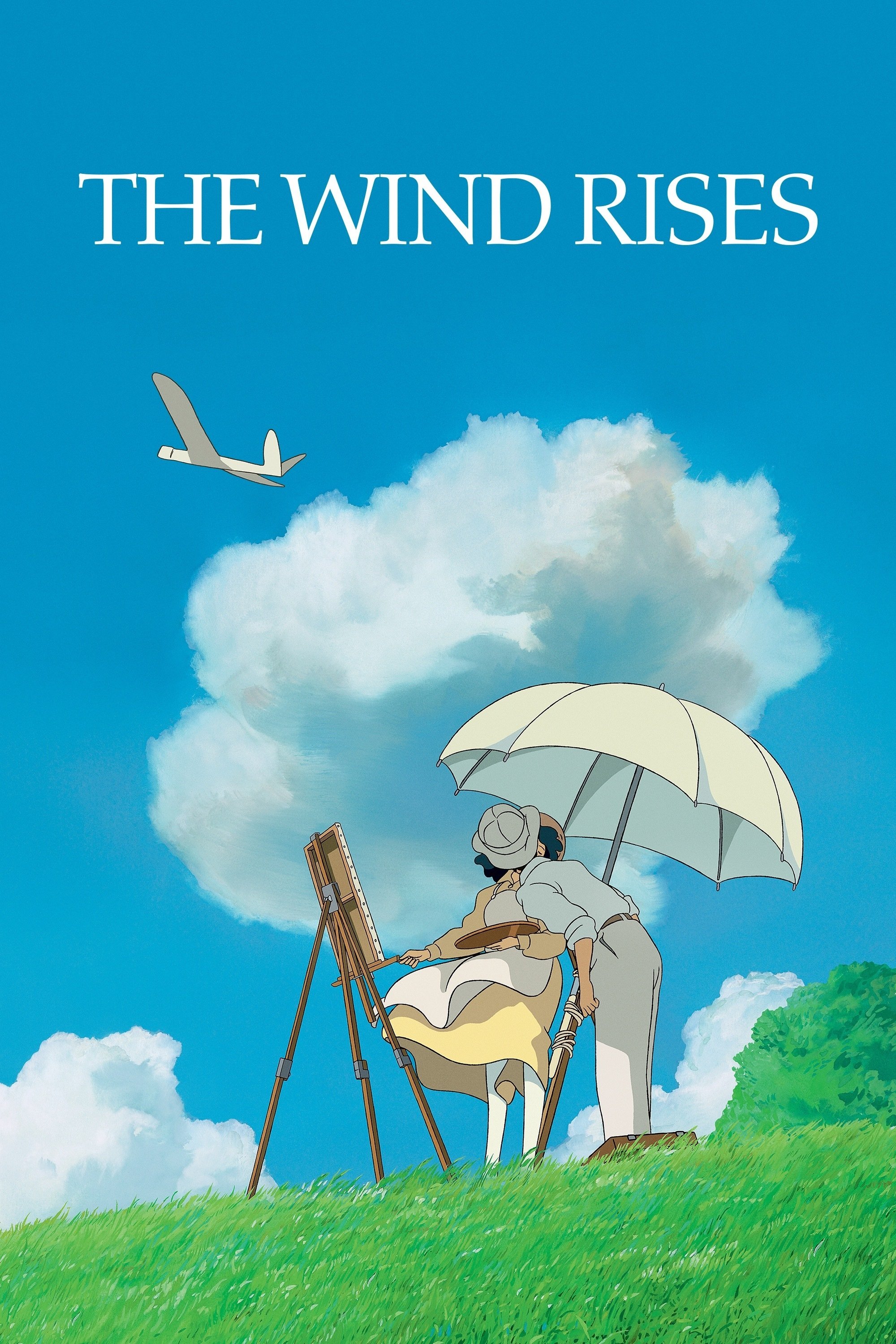
The Wind Rises
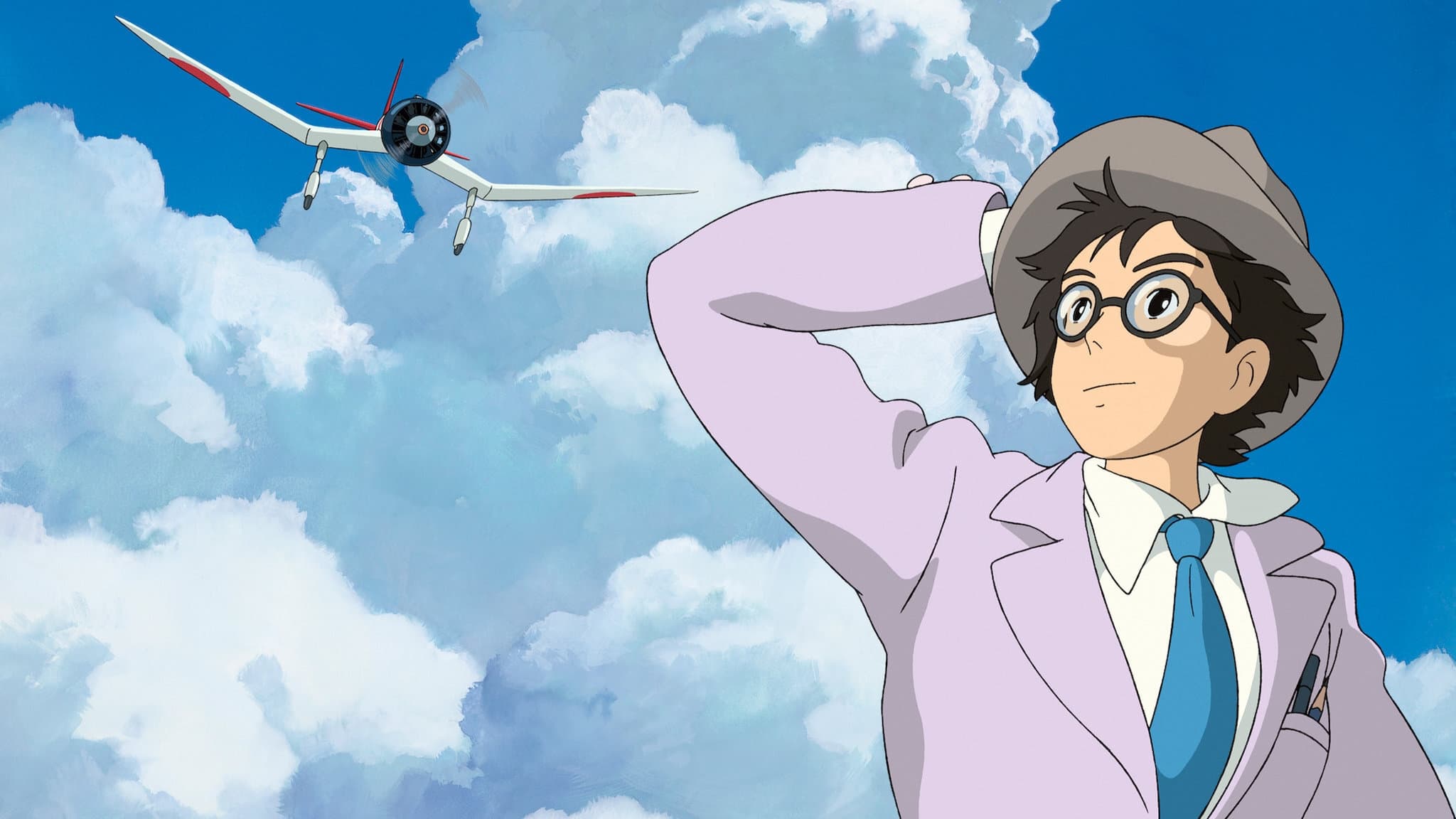
A lifelong love of flight inspires Japanese aviation engineer Jiro Horikoshi, whose storied career includes the creation of the A-6M World War II fighter plane.
Insights
Plot Summary
Jiro Horikoshi, a dreamer inspired by the Italian engineer Giovanni Caproni, works as a gifted airplane designer for the Mitsubishi company. Despite his failing eyesight, he dedicates his life to creating Japan's most beautiful and advanced fighter planes, including the famed Zero. His life is interwoven with personal joys and sorrows, including a burgeoning romance with the sickly Naoko Satomi, whom he is determined to marry despite her tuberculosis.
Critical Reception
Hayao Miyazaki's final directorial feature was met with widespread critical acclaim, lauded for its stunning animation, poignant storytelling, and its nuanced exploration of beauty, ambition, and the destructive nature of war. While some debated its portrayal of a controversial historical figure, most critics praised it as a masterfully crafted and deeply personal film.
What Reviewers Say
A visually breathtaking and emotionally resonant masterpiece from a legendary animator.
Explores complex themes of dreams, ambition, and the tragic paradox of creating beauty that leads to destruction.
Miyazaki's swan song is a poignant and deeply personal reflection on life, love, and legacy.
Google audience: Audiences widely praised "The Wind Rises" for its gorgeous animation and touching story, celebrating it as a fitting and moving conclusion to Hayao Miyazaki's directorial career. Many found the film to be a beautiful and thought-provoking exploration of dreams and the human condition.
Awards & Accolades
Nominated for the Academy Award for Best Animated Feature, won the Newtype Award for Best Picture, received a nomination for Best Animated Film at the Golden Globe Awards, and won the Japan Academy Prize for Animation of the Year.
Fun Fact
The film is inspired by Tatsuo Hori's 1937 novel of the same name, which is semi-autobiographical, though Hayao Miyazaki greatly fictionalized and combined elements from the lives of Jiro Horikoshi and engineer Kiro Hori. The film also features a cameo appearance by the fictional character Kamaji from Miyazaki's earlier film "Spirited Away".
AI-generated overview · Verify ratings on official sources