Movie spotlight
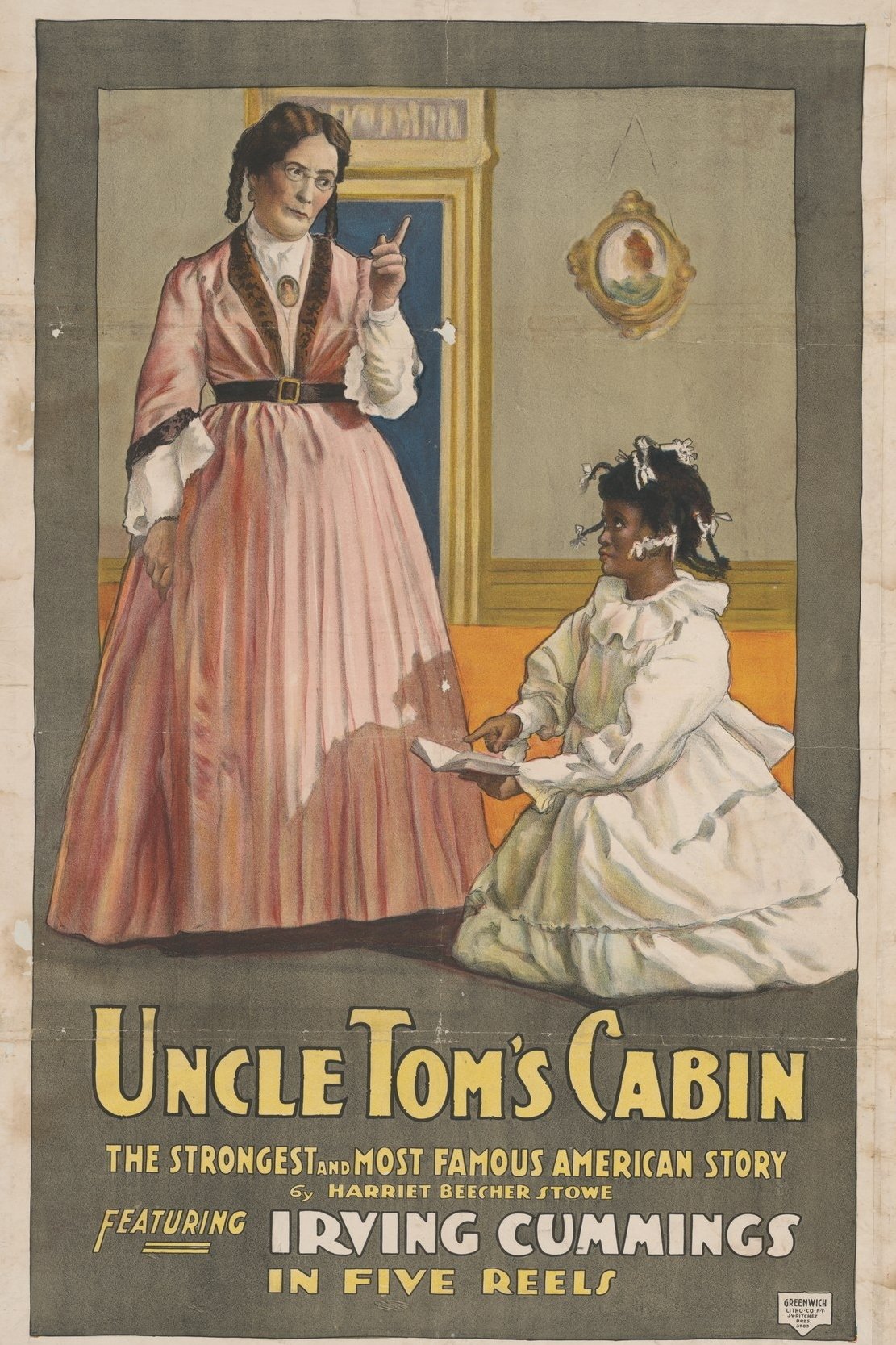
Uncle Tom's Cabin
The first screen adaptation of Harriet Beecher Stowe's novel to star a black man in the title role.
Insights
Plot Summary
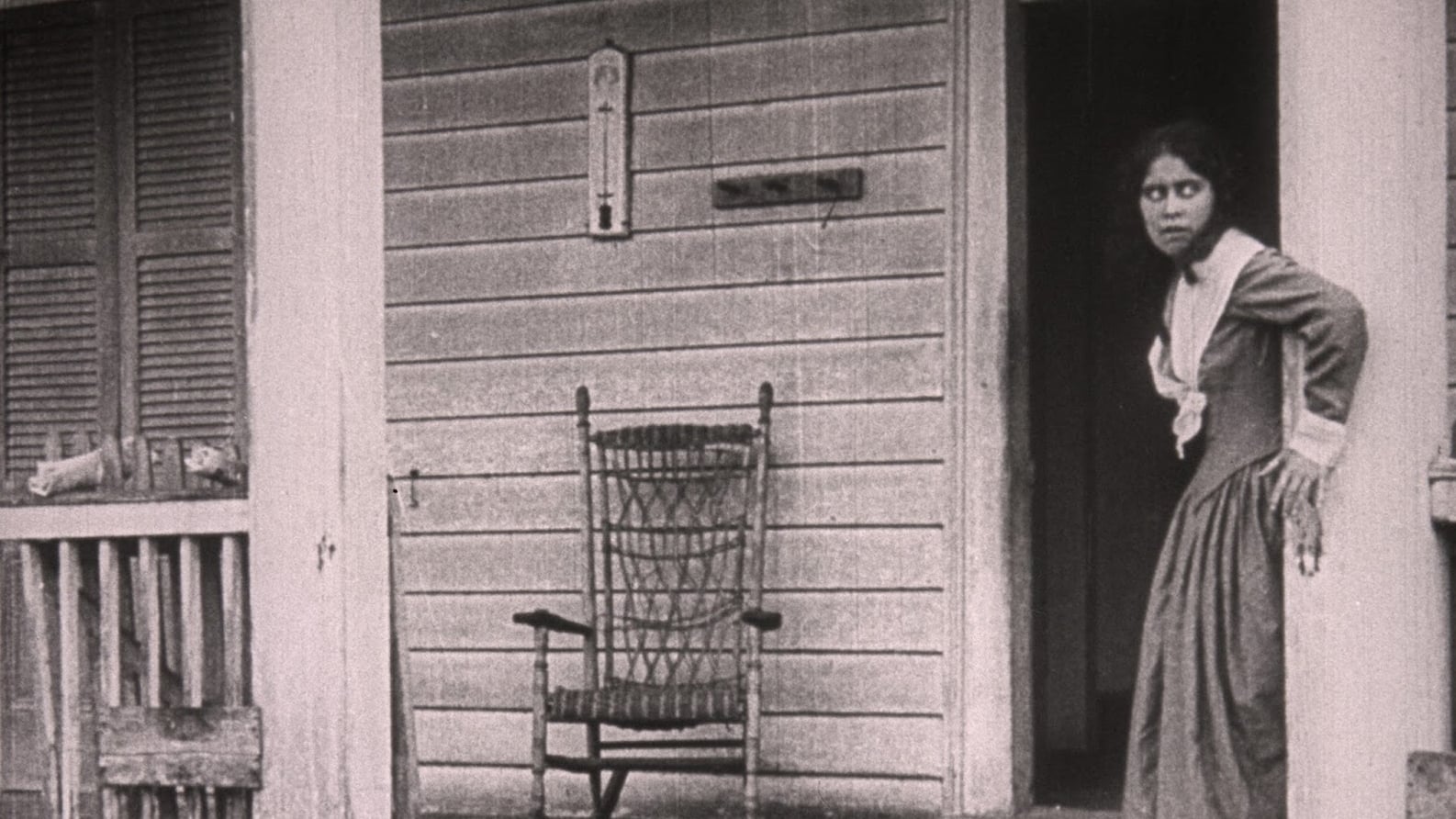
This silent film adaptation of Harriet Beecher Stowe's novel follows the journey of Uncle Tom, a deeply religious and faithful slave, and Eliza, a slave who escapes to freedom with her young son. The story depicts the hardships of slavery, the moral complexities faced by those within the system, and the yearning for liberty.
Critical Reception
As a silent film from 1914, contemporary critical reception is difficult to ascertain with modern metrics. However, the film was a significant production attempting to adapt a highly influential, albeit controversial, novel for a mass audience during a period when such narratives were being explored in early cinema. Its historical significance lies in its early cinematic interpretation of a culturally impactful work.
What Reviewers Say
An early cinematic attempt to bring a famous literary work to the screen.
Reflects the societal discussions and interpretations of slavery prevalent in the early 20th century.
Notable for its historical context as one of the first film adaptations of Stowe's novel.
Google audience: As this is a silent film from 1914, specific Google user reviews are not available. The film's legacy is primarily historical and tied to the novel it adapts.
Fun Fact
This 1914 film adaptation was one of the earliest feature-length film versions of Harriet Beecher Stowe's influential novel, predating many later interpretations.
AI-generated overview · Verify ratings on official sources