Movie spotlight
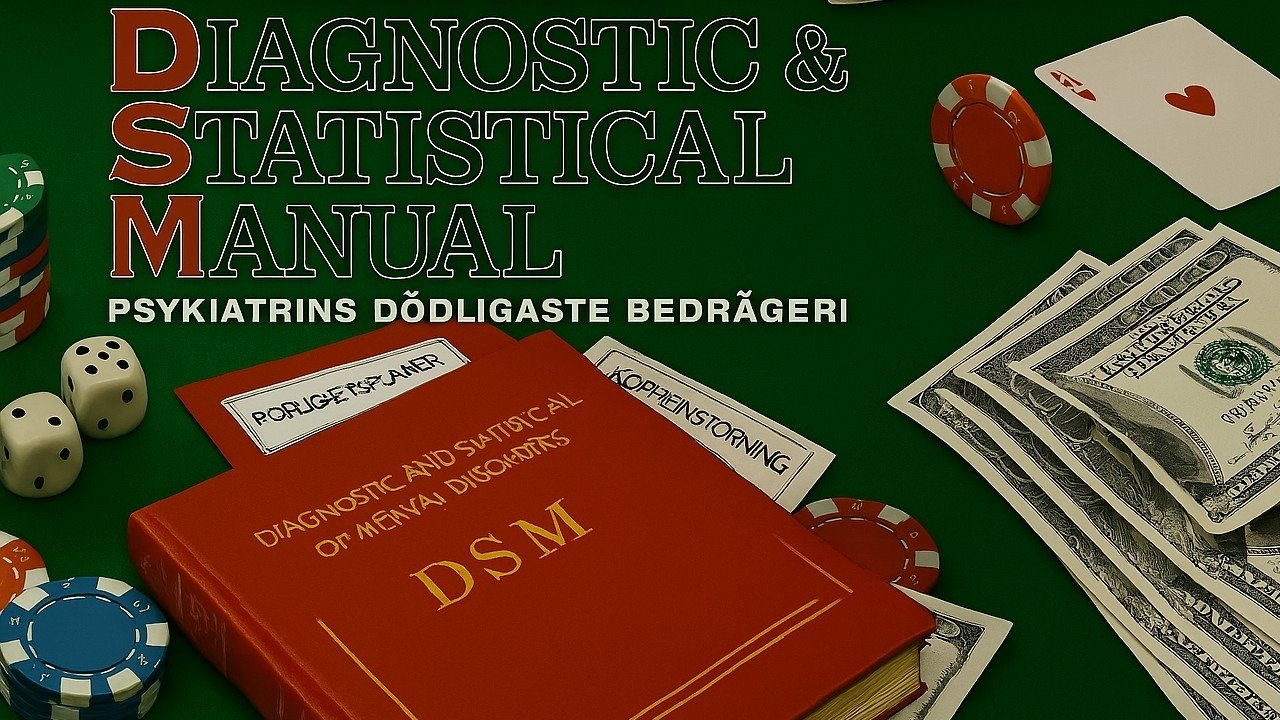
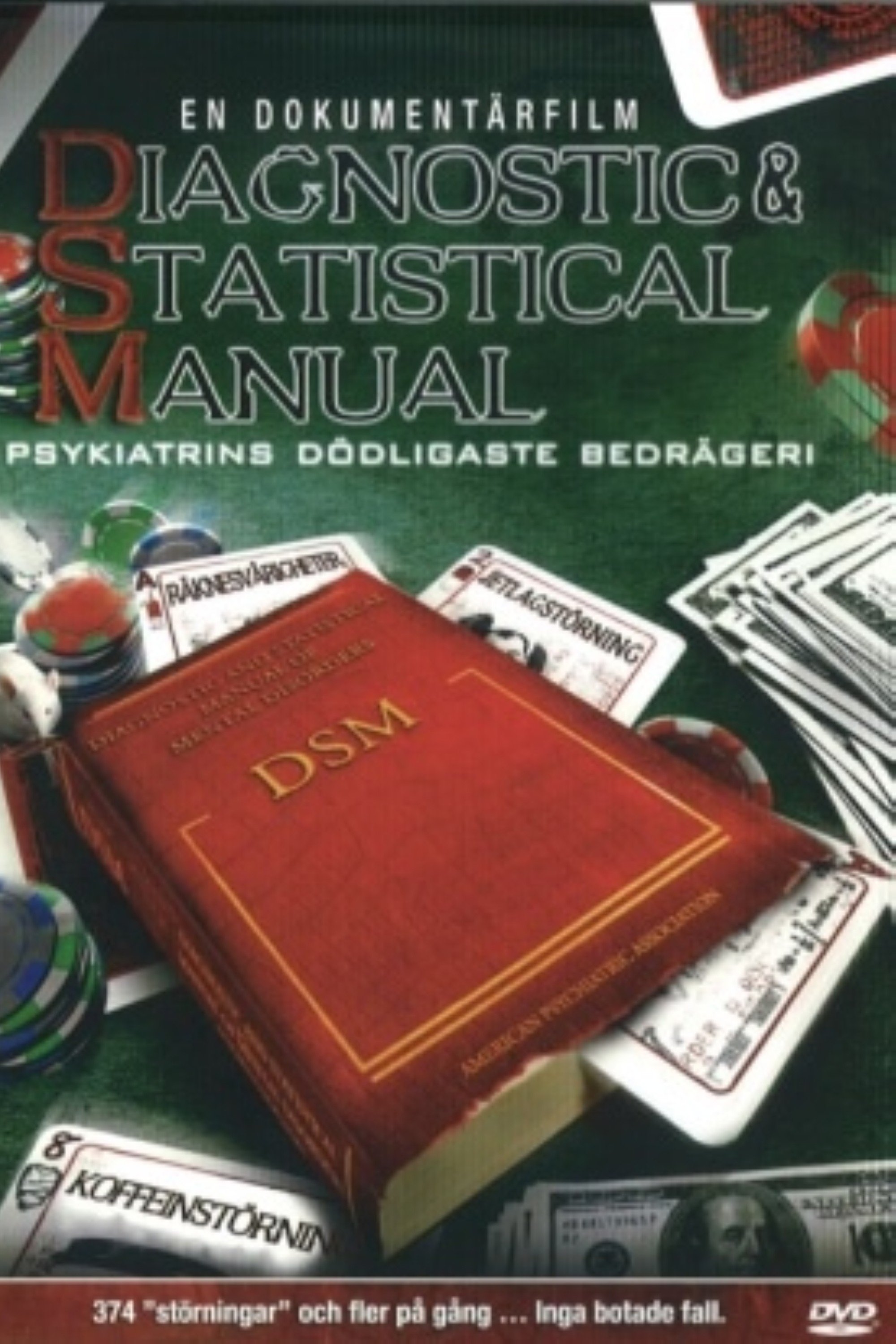
Diagnostic & Statistical Manual: Psychiatry's Deadliest Scam
The documentary Psychiatry’s Deadliest Scam critiques the DSM, psychiatry’s diagnostic manual, for labeling normal behaviors as mental illnesses. It argues that the DSM lacks scientific basis and fuels a massive industry built on overdiagnosis and overmedication. Through interviews and analysis, it claims this practice jeopardizes civil liberties and ethical treatment.
Insights
Plot Summary
This documentary critically examines the Diagnostic and Statistical Manual of Mental Disorders (DSM), questioning its validity and the impact of its classifications on individuals and society. It features interviews with professionals and individuals affected by psychiatric diagnoses, exploring the pharmaceutical industry's influence and the potential for over-diagnosis and over-medication. The film argues that the DSM's evolving criteria may serve commercial interests more than genuine patient well-being.
Critical Reception
The documentary received mixed to negative reviews, with many critics pointing to its strong bias and selective presentation of evidence. While some appreciated its challenge to established psychiatric practices, others found its arguments to be unsubstantiated and overly conspiratorial. Audience reception was polarized, with some viewers agreeing with its assertions and others dismissing its claims.
What Reviewers Say
The film presents a heavily critical, one-sided view of psychiatric diagnosis.
It raises valid questions about the influence of pharmaceutical companies and the potential for over-diagnosis.
Critics argue the documentary lacks rigorous scientific evidence and relies on anecdotal accounts and strong opinions.
Google audience: Google user reviews are largely negative, with many viewers finding the documentary to be biased, lacking in credible sources, and promoting a conspiracy-like narrative against psychiatry and pharmaceutical companies. Some users who agreed with the premise praised it for bringing attention to potential issues, but these were in the minority.
Fun Fact
The film's director, Robert D. Stolar, is a psychiatrist himself, which he often highlights as lending him a unique perspective to critique the DSM from within the field.
AI-generated overview · Verify ratings on official sources