
Movie spotlight
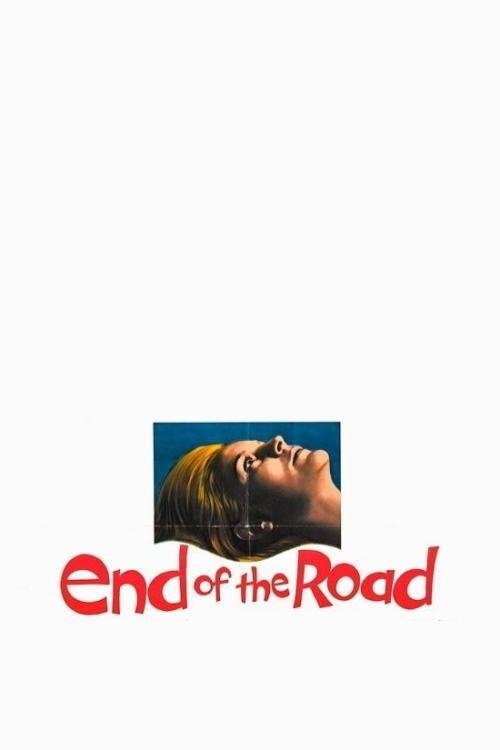
End of the Road
Moments after receiving his graduate diploma, Jacob waits at a train station. The future lies ahead, but life abruptly intervenes. Images flash in Jacob's mind: of war, injustice, assassination, protest, the entire spectrum of 1960s angst and anger - sending Jacob into a catatonic state. What follows during his bizarre rehab and its aftermath will be another form of madness.
Insights
Plot Summary
The film follows Jacob Horner, a graduate student who leaves his pregnant wife and pregnant mistress to take a job as a literature professor at a small college. There, he becomes entangled in a complex and surreal series of relationships and philosophical discussions, exploring themes of existentialism, freedom, and the search for meaning.
Critical Reception
End of the Road received mixed reviews upon its release, with some critics praising its intellectual ambition and unconventional narrative, while others found it overly pretentious and difficult to follow. It has since gained a cult following for its experimental style and exploration of complex themes.
What Reviewers Say
Praised for its philosophical depth and challenging subject matter.
Criticized for its unconventional and sometimes confusing narrative structure.
Noted for its bold exploration of existential themes and modern malaise.
Google audience: Audience reception information for 'End of the Road (1970)' is not readily available or widely documented on Google's platforms.
Fun Fact
The film is based on the novel of the same name by John Barth, which is known for its complex, self-referential narrative and philosophical explorations.
AI-generated overview · Verify ratings on official sources