
Movie spotlight
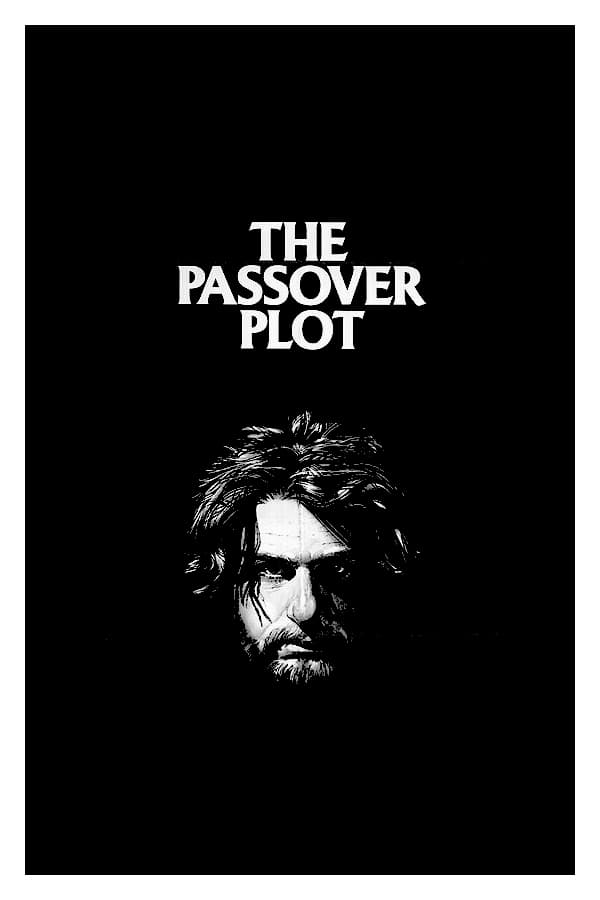
The Passover Plot
Yeshua of Nazareth carefully plans his own crucifixion — and subsequent resurrection — to strengthen his political position against the Roman occupation of Palestine.
Insights
Plot Summary
This film explores the controversial theory that Jesus of Nazareth did not die on the cross but instead survived, feigned death, and later escaped from the tomb. It delves into the political and religious climate of ancient Judea, suggesting a conspiracy involving Jesus, his disciples, and possibly even Roman authorities, to stage his 'resurrection' as a means of sparking a rebellion against Roman rule.
Critical Reception
The Passover Plot garnered a mixed to negative reception upon its release. Critics often found the central premise to be sensationalistic and speculative, with some questioning its historical accuracy and theological implications. Audience reactions were similarly divided, with some intrigued by the alternative interpretation of the biblical narrative and others finding it disrespectful or unbelievable.
What Reviewers Say
The film presents a highly speculative and controversial theory about the events of Passover.
Many found the narrative to be more of a thought-provoking hypothetical than a historically grounded account.
Some critics and audiences were put off by the film's revisionist approach to a core religious event.
Google audience: Information on specific Google user reviews for 'The Passover Plot' is not readily available.
Fun Fact
The film is based on the 1966 book of the same name by Hugh J. Schonfield, a British scholar who proposed the theory that Jesus survived the crucifixion and orchestrated his own escape.
AI-generated overview · Verify ratings on official sources