IMDb7.5/10
Rotten Tomatoes96%
Metacritic77/100
Google Users87%
Director: Isao Takahata•Genres: Animation, Comedy, Drama, Family, Fantasy
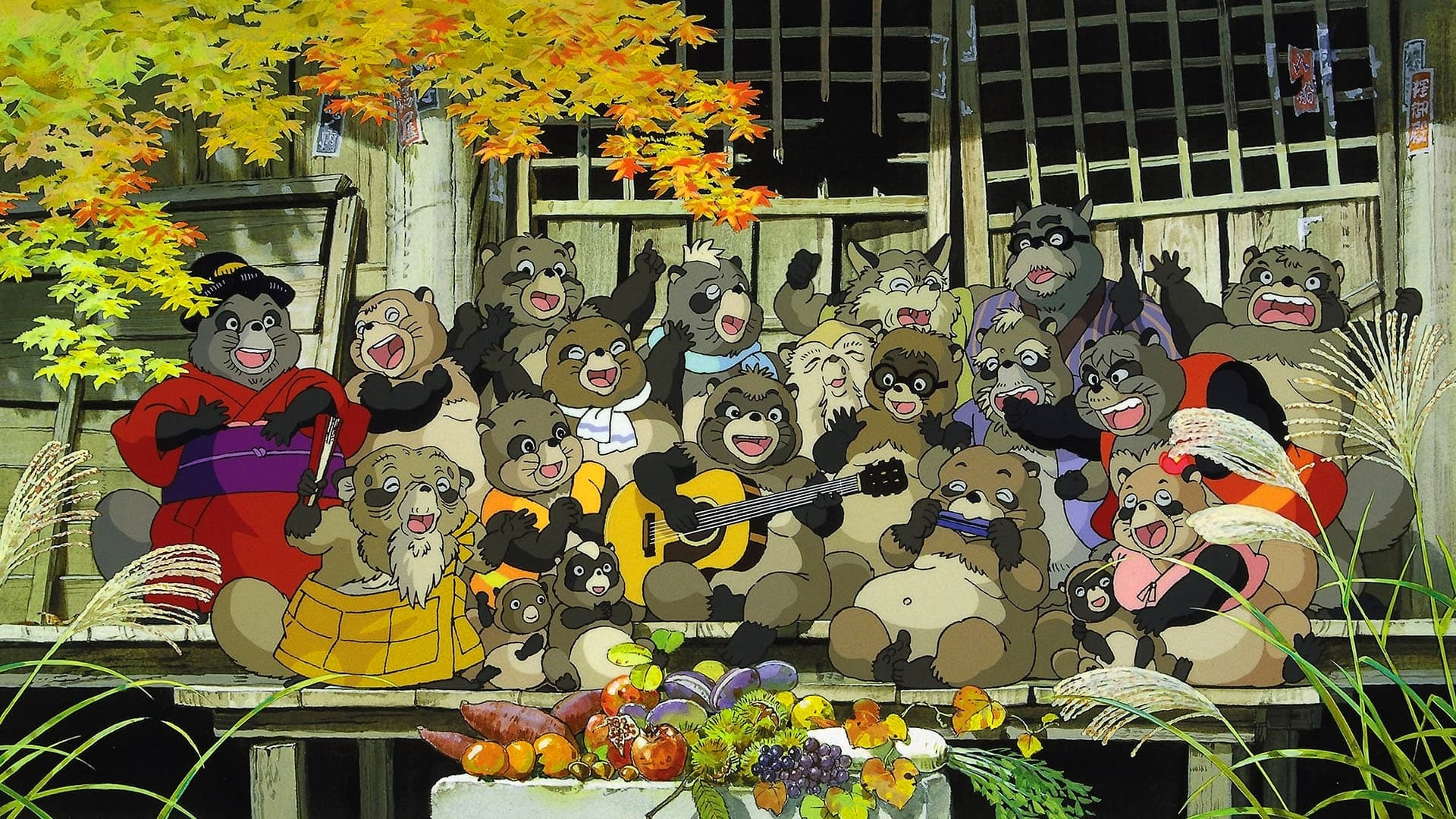
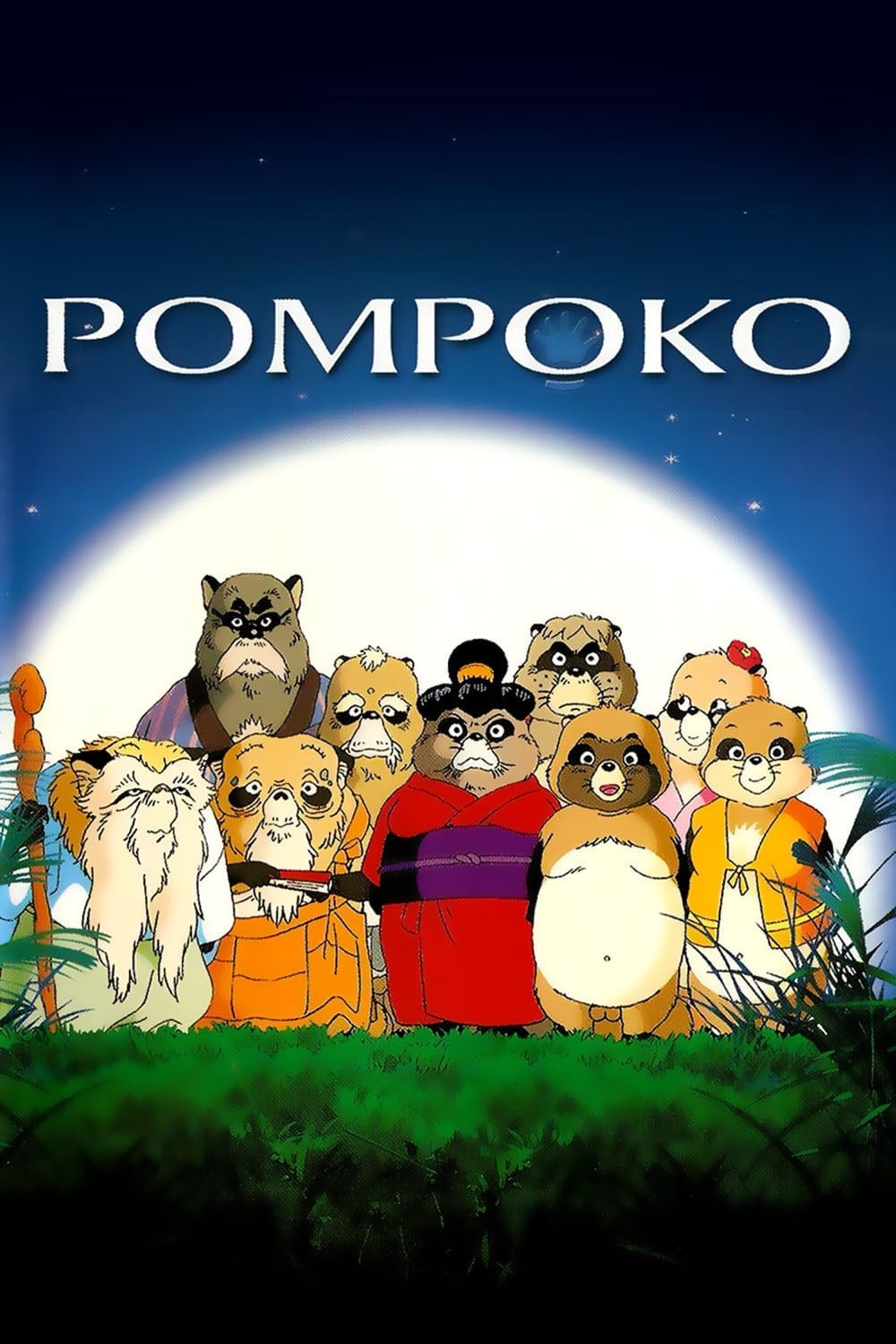
In the Tama Hills on the outskirts of Tokyo, a pack of tanuki (raccoon dogs) find their woodland home threatened by a massive suburban development project. Resorting to their ancient magical abilities to shapeshift, the tanuki embark on a chaotic and often hilarious campaign to thwart the human encroachment. Their efforts range from elaborate illusions and pranks to more desperate, and sometimes tragic, attempts to sabotage the construction.
Pom Poko was met with widespread critical acclaim, praised for its unique blend of ecological commentary, humor, and stunning animation. Critics lauded its imaginative storytelling, the expressive portrayal of the tanuki, and its poignant, yet not overly didactic, message about environmentalism and the clash between nature and modernization.
A wildly imaginative and humorous take on environmental themes.
Praised for its vibrant animation and the endearing, shape-shifting raccoon dogs.
Appreciated for its unique cultural insight and its blend of comedy with a serious message.
Google audience: Audiences largely enjoyed Pom Poko, finding it to be a charming and funny film with a strong environmental message. Many appreciated the creativity of the tanuki's transformation sequences and the film's unique cultural perspective.
Nominated for Best Animated Feature at the Annie Awards, and won the Audience Award at the Chicago International Children's Film Festival.
The film's ending originally depicted the tanuki successfully driving away the humans, but Studio Ghibli's producer Toshio Suzuki suggested a more bittersweet conclusion to reflect the reality of urban development.
AI-generated overview · Verify ratings on official sources