Movie spotlight
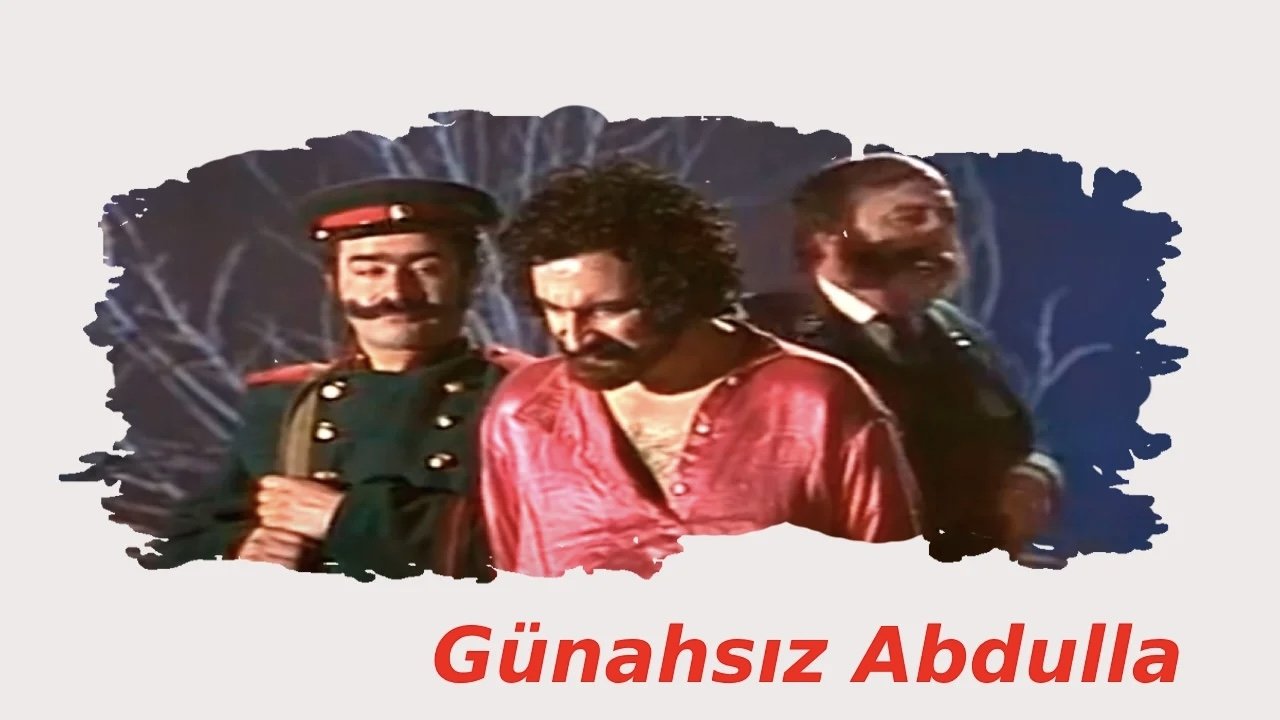
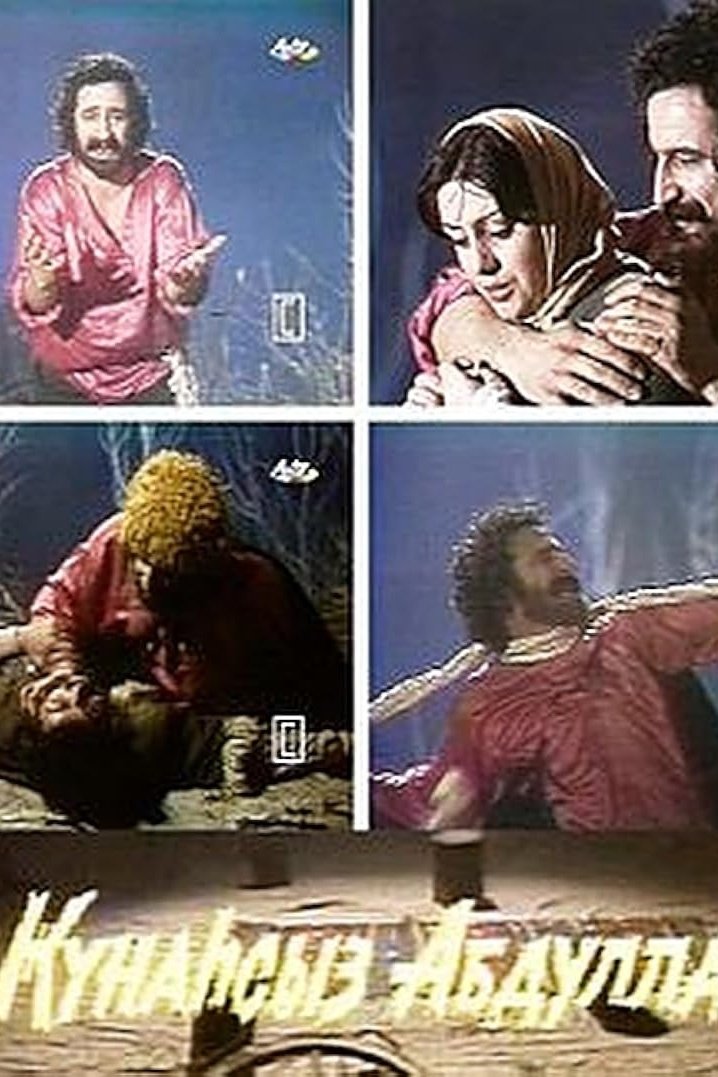
Innocent Abdulla
Abdulla is a simple villager who was arrested for ten years on a false accusation. Through the endless years of torment he clings to the hope of freedom, only to escape shortly before his sentence is over, but at home no one is waiting for him anymore.
Insights
Plot Summary
In a Central Asian village, a young boy named Abdulla experiences the profound impact of his father's death. As he grapples with grief, he navigates the complexities of his community, learning about life, tradition, and resilience. The film explores themes of childhood innocence, loss, and the enduring spirit of human connection against a backdrop of cultural heritage.
Critical Reception
As a Soviet-era film from Kyrgyzstan, "Innocent Abdulla" is less widely discussed in mainstream international film criticism. However, within its cultural context, it is recognized for its sensitive portrayal of childhood and its exploration of societal traditions. The film was noted for its authentic depiction of rural life and its poignant emotional resonance.
What Reviewers Say
Praised for its touching depiction of a child's grief and maturation.
Appreciated for its authentic portrayal of Central Asian village life and traditions.
Noted for its subtle storytelling and emotional depth.
Google audience: Information on specific Google user reviews for "Innocent Abdulla" is not readily available due to its regional origin and historical context.
Awards & Accolades
None notable internationally.
Fun Fact
The film was made during a period when Soviet cinema often explored themes of national identity and rural life, aiming to reflect the diverse cultures within the USSR.
AI-generated overview · Verify ratings on official sources