Movie spotlight
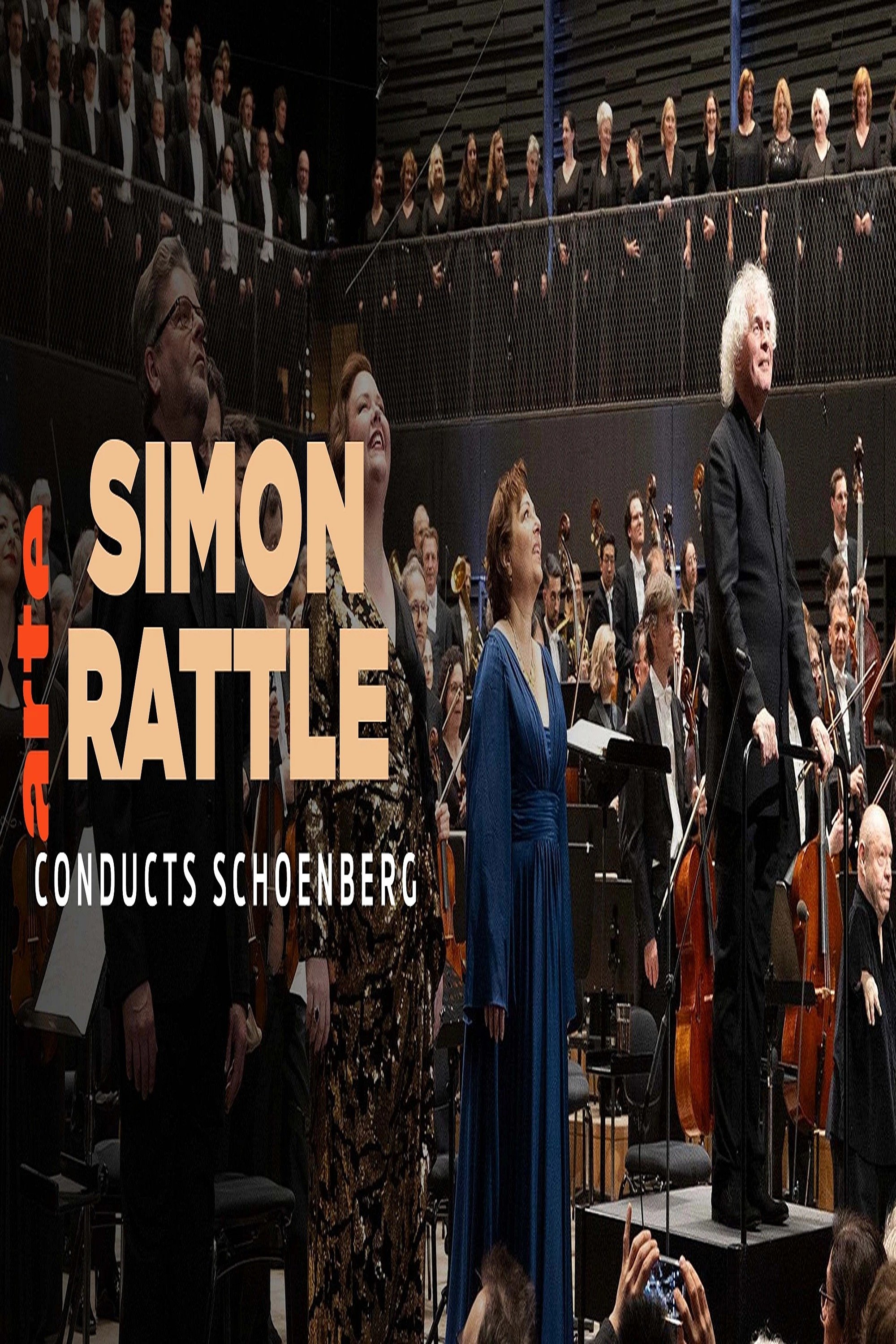
Simon Rattle conducts Schoenberg Bavarian Radio Symphony Orchestra
Sir Simon Rattle conducts Arnold Schönberg's Gurre-Lieder for the 75th anniversary of the Bavarian Radio Orchestra at Munich's Isar Philharmonic.
Insights
Plot Summary
This recording captures Simon Rattle leading the Bavarian Radio Symphony Orchestra in Arnold Schoenberg's monumental 'Gurre-Lieder'. The work, based on a medieval Danish legend, is a sprawling cantata for soloists, narrator, and a very large orchestra, exploring themes of love, death, and nature's power. It represents a late Romantic peak in Schoenberg's output, pushing the boundaries of harmony and expression before his turn to atonality.
Critical Reception
As a new release, critical reception is still emerging but initial reviews highlight Rattle's assured and detailed interpretation of this massive and challenging work. The performance is noted for its sonic clarity and the powerful engagement of both the orchestra and the vocal soloists in navigating Schoenberg's complex textures and emotional landscape. Expectations are high for this recording to be a significant contribution to the Schoenberg discography.
What Reviewers Say
Rattle's masterful control and dramatic shaping of Schoenberg's dense score.
Exceptional playing from the Bavarian Radio Symphony Orchestra.
Vocals are precisely rendered and emotionally compelling.
Google audience: As this is a recent classical music release, specific Google user reviews are not yet widely available. However, for recordings led by Simon Rattle and featuring the Bavarian Radio Symphony Orchestra, audiences typically praise the conductor's intellectual depth and the ensemble's technical brilliance and rich sound.
Fun Fact
Arnold Schoenberg's 'Gurre-Lieder' was famously unfinished for many years due to its sheer scale and Schoenberg's own evolving compositional style; it was only premiered in 1913, after his move away from late Romanticism.
AI-generated overview · Verify ratings on official sources