Movie spotlight
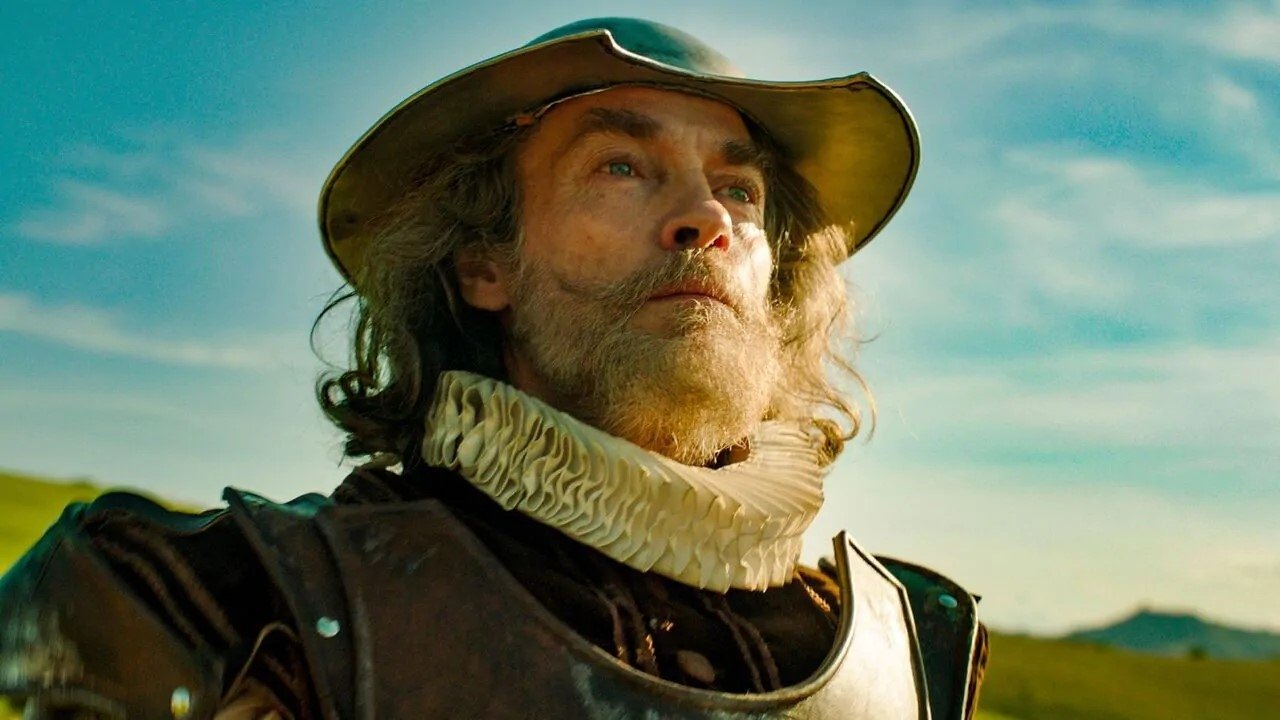
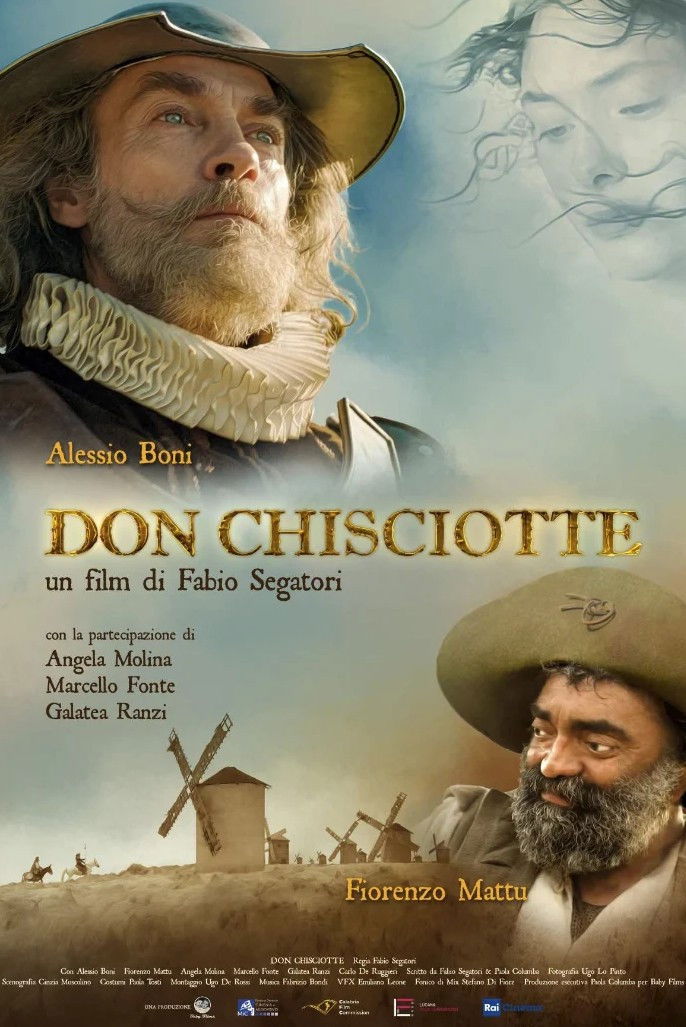
Don Chisciotte
Wounded at the Battle of Lepanto and recoverying in a Messina hospital, Miguel de Cervantes experiences a vision amidst fever and hallucinations. From the flames of burning books, Don Alonso Quijano is born—a man driven mad by tales of chivalry who transforms into the knight-errant Don Quixote. Accompanied by the simple Sancho Panza, lured by the promise of an island to rule, Quixote embarks on a quest where inns become castles and windmills turn into giants. Despite the cruel mockery of bored nobles and a series of crushing defeats, his madness reveals a disarming purity: he fights solely for justice and freedom, even as the world laughs. Betrayed and humiliated, he is eventually brought home in a cage, unable to survive without his ideals. As he dies, the scene shifts back to the Sicilian night: from the pain of war, Cervantes has forged a masterpiece—the stubborn dream of a more liberated humanity.
Insights
Plot Summary
An aging gentleman named Alonso Quixano, obsessed with chivalric romances, decides to become a knight-errant named Don Quixote. Accompanied by his loyal squire, Sancho Panza, he embarks on a series of adventures, seeking to right wrongs and uphold justice in a world that no longer believes in his ideals. Their journey is filled with misinterpretations, comical encounters, and poignant reflections on reality versus illusion.
Critical Reception
Grigori Kozintsev's adaptation of "Don Quixote" is widely regarded as a cinematic masterpiece, celebrated for its poetic visuals, masterful direction, and deeply humanistic portrayal of Cervantes' iconic character. Critics praised its faithfulness to the spirit of the novel while bringing a unique artistic vision to the screen, resulting in a film that is both grand in scale and intimate in its emotional depth. It has garnered significant international acclaim and is considered one of the finest literary adaptations in cinema history.
What Reviewers Say
Praised for its visually stunning cinematography and epic scope.
Cherished for its profound and sympathetic depiction of Don Quixote's idealism.
Commended for its faithfulness to the novel's themes of illusion and reality.
Google audience: N/A
Awards & Accolades
Nominated for the Palme d'Or at the 1957 Cannes Film Festival.
Fun Fact
The film was shot in the Soviet Union, but the director, Grigori Kozintsev, insisted on using Spanish locations for many of the scenes to evoke the authentic atmosphere of Cervantes' story.
AI-generated overview · Verify ratings on official sources