Movie spotlight
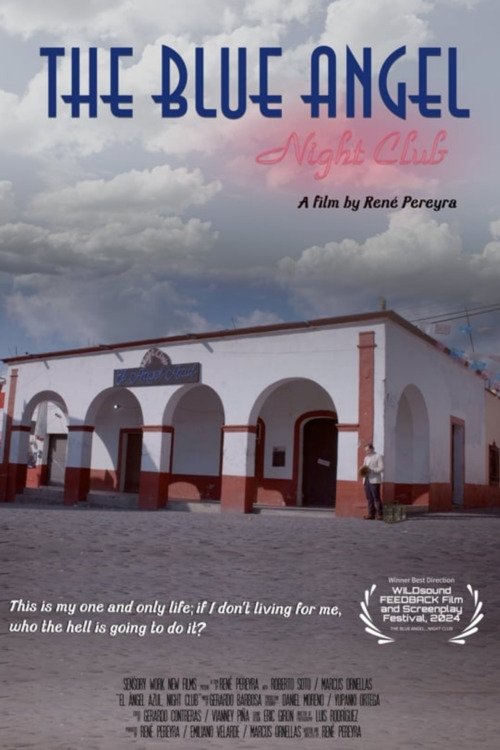
The Blue Angel
Set in the 1990s, the story unfolds in a turbulent northern Mexican town where a queer nightclub stands on the brink of disappearing. Within this fragile space, drama and dark comedy intertwine to expose the contradictions of a community dominated by insecure “macho” men. Beneath their homophobic posturing lies a concealed, unspoken homosexuality that quietly shapes their lives. As the club’s survival hangs in the balance, it becomes a bittersweet symbol of both freedom and repression, reflecting the collision of desire, shame, and identity in a society desperate to preserve appearances.
Insights
Plot Summary
In a small German town, Professor Rath, a stern and respected schoolmaster, becomes infatuated with Lola Lola, a cabaret singer at 'The Blue Angel' nightclub. His obsessive pursuit of her leads to his professional ruin and personal degradation, transforming him from a dignified academic into a clownish figure controlled by his desire.
Critical Reception
The Blue Angel is widely regarded as a masterpiece of German Expressionist cinema and a significant early sound film. Marlene Dietrich's star-making performance as Lola Lola was particularly lauded, establishing her as a global icon. Critics praised Josef von Sternberg's direction for its atmospheric intensity and psychological depth, though some found the narrative bleak.
What Reviewers Say
A visually stunning and psychologically potent exploration of obsession and downfall.
Marlene Dietrich's mesmerizing performance is a career-defining moment.
A landmark of German cinema, showcasing atmospheric direction and powerful acting.
Google audience: N/A
Fun Fact
Marlene Dietrich's iconic role as Lola Lola was her first major success, propelling her to international stardom and leading to her contract with Paramount Pictures in Hollywood.
AI-generated overview · Verify ratings on official sources