Movie spotlight
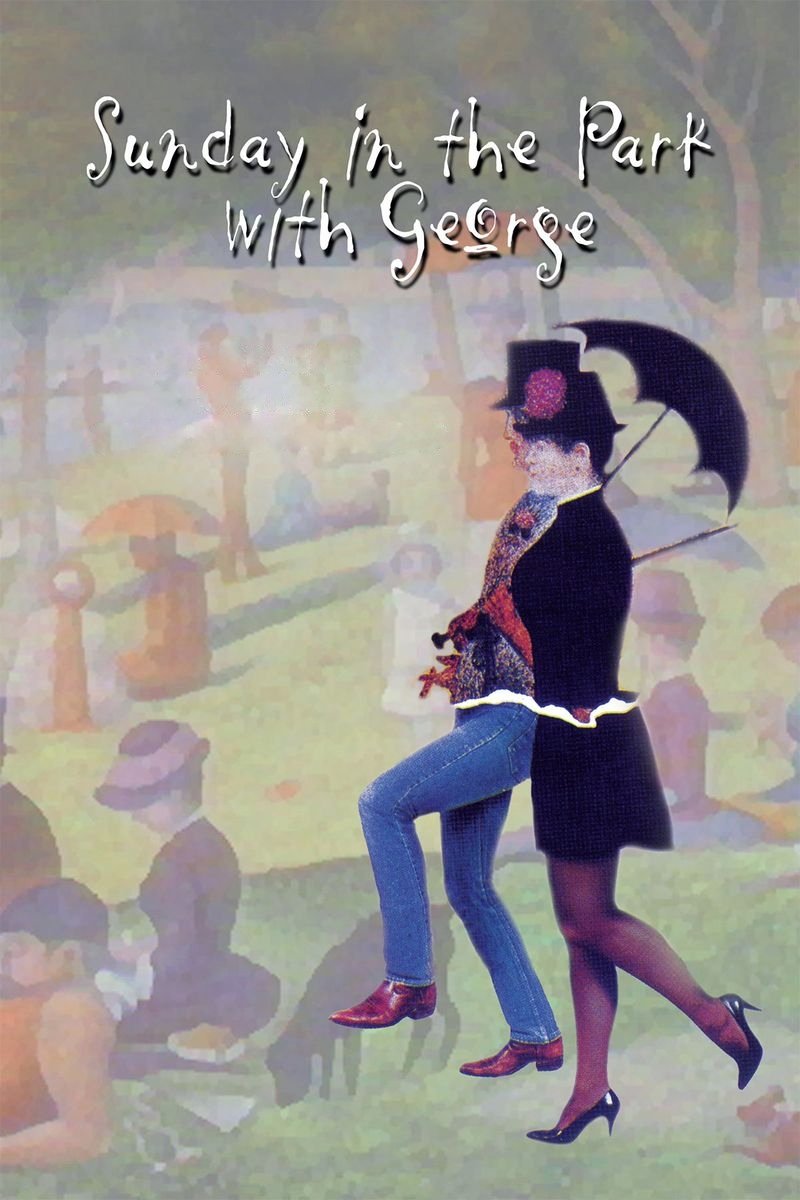
Sunday in the Park with George
The days leading up to the completion of his most famous painting, A Sunday Afternoon on the Island of La Grande Jatte, Georges Seurat is struggling to make meaningful art and maintaining a relationship with his lover, Dot. Amid the scorn of the artistic community, Seurat's artistic ability thrives while his love diminishes. A century later, Seurat's descendant – named George and also an artist – finds himself burnt out and in search of what artistic path to follow, but he finds the answer to his future in the past.
Insights
Plot Summary
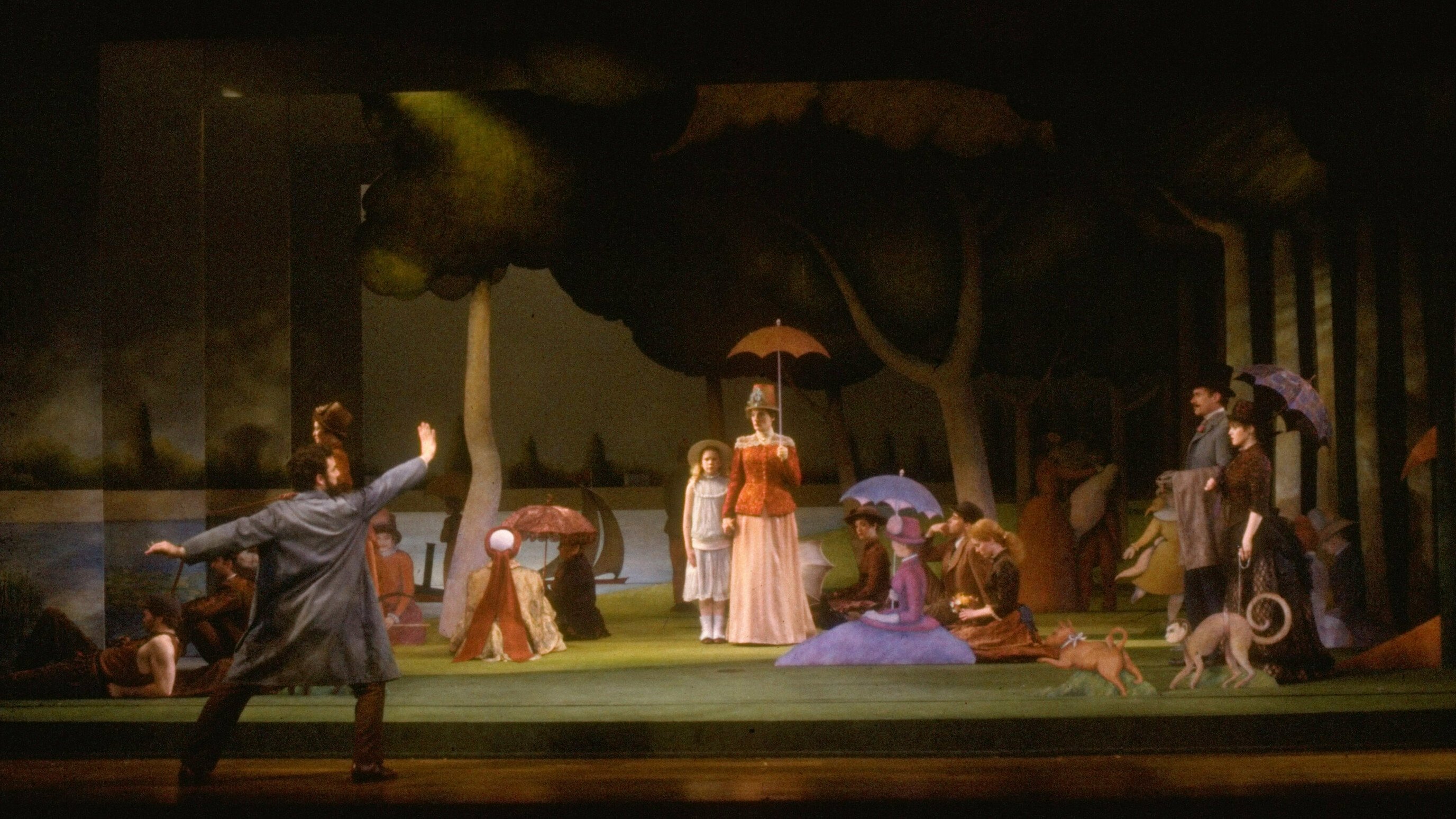
The musical follows the artistic life of Georges Seurat. Act I depicts Seurat's obsessive work on his masterpiece, 'A Sunday Afternoon on the Island of La Grande Jatte,' exploring his relationships and artistic struggles in 1880s Paris. Act II jumps forward 100 years, showing the impact of Seurat's work and the challenges of maintaining artistic integrity in the modern art world, with his descendant, George, facing similar creative pressures.
Critical Reception
Sunday in the Park with George is widely regarded as a masterpiece of modern musical theater, lauded for its innovative structure, profound exploration of art and its creation, and Stephen Sondheim's brilliant score. It received critical acclaim for its intellectual depth and emotional resonance, though its abstract nature and complex themes initially presented challenges for some audiences. It is considered a landmark work that pushed the boundaries of the Broadway musical form.
What Reviewers Say
Praised for its intricate musical score and Sondheim's lyrical genius.
Commended for its innovative concept and deep exploration of art and obsession.
Noted for its demanding structure and intellectual complexity.
Google audience: Audiences widely appreciate the show's intelligence, unique artistic subject matter, and the complexity of its music and lyrics. Some find it challenging and abstract, but overwhelmingly, it is celebrated for its profound impact and artistic ambition.
Awards & Accolades
Won the Pulitzer Prize for Drama (1985), Tony Awards for Best Original Score and Best Scenic Design (1985), and was nominated for multiple other Tony Awards.
Fun Fact
The musical's structure is directly inspired by Seurat's painting 'A Sunday Afternoon on the Island of La Grande Jatte,' with Act I focusing on the creation of the painting and Act II exploring the legacy and impact of art, featuring characters and descendants that echo those in the painting.
AI-generated overview · Verify ratings on official sources