
Movie spotlight
Shine, Japanese Women
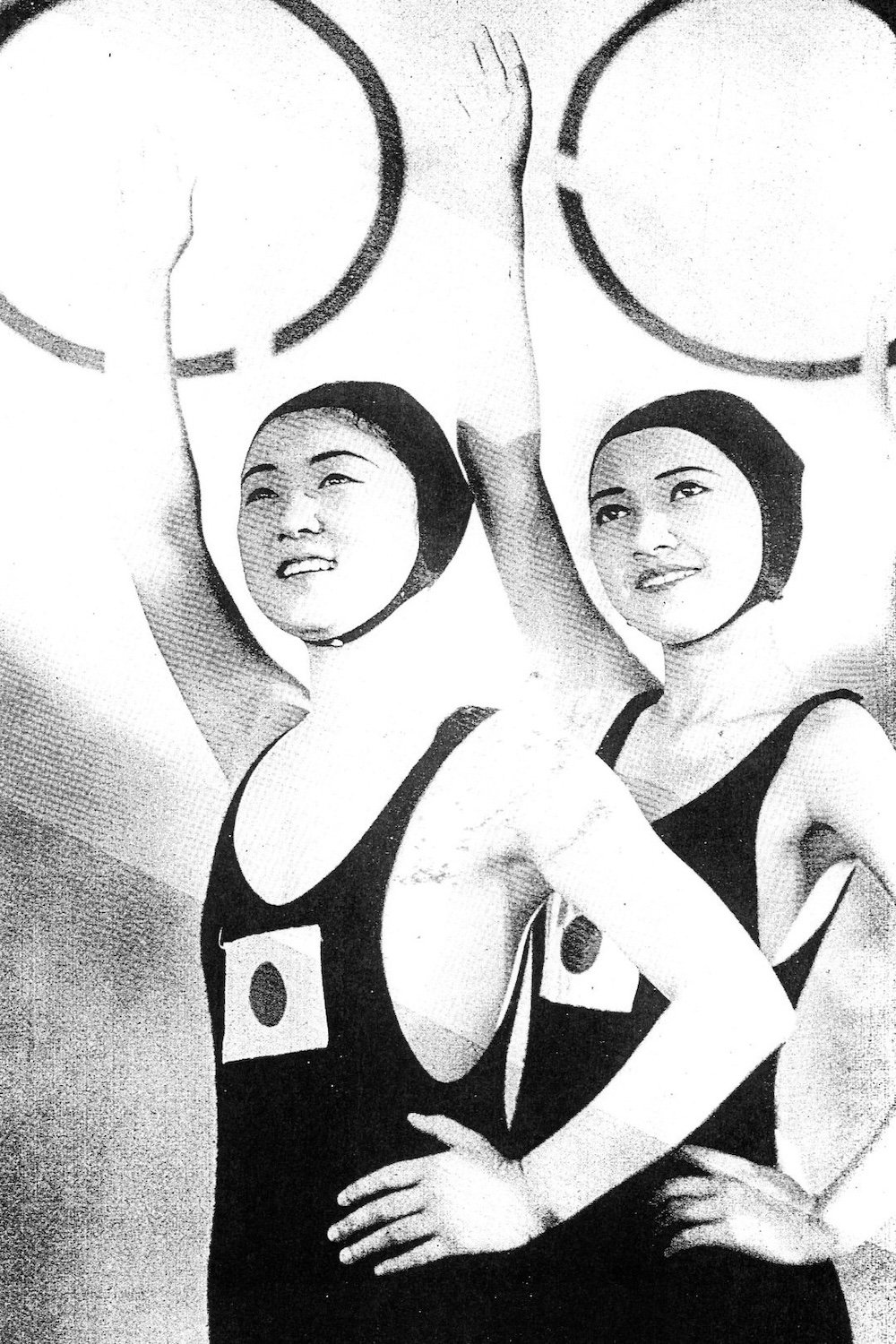
Shigeko and Midori, star swimmers at the renowned Kirishima Girls’ School, are training relentlessly with their sights set on the Los Angeles Olympics. But for the past week, Shigeko has been absent from practice. Her father has fallen ill, and to support her family’s struggling finances, she has secretly taken a job at a trading company. When Masao discovers this, he asks Midori to convince her to return, but soon the school learns of her secret. The students rally to raise funds, though the principal refuses their help, promising instead to handle the situation himself. Shigeko resumes training and travels to Tokyo for the qualifying meet. She touches the wall first in the 100-meter freestyle—only to receive news of her father’s passing. Overcome with grief, she collapses, cared for by Midori, whose own exhaustion leaves her finishing fourth. Despite these hardships, their prior accomplishments earn them a place on Japan’s Olympic team.
Insights
Plot Summary
The film tells the story of a young woman named Okin, who is sold by her father to a wealthy man to pay off his debts. Okin endures hardship and abuse but maintains her spirit. She eventually finds a way to escape her oppressive situation and seeks a better life, facing numerous challenges along the way.
Critical Reception
As a film from 1932, contemporary critical reception is difficult to ascertain with detailed records. However, Hiroshi Shimizu was a prominent director in pre-war Japanese cinema, and his films often explored social issues and the lives of ordinary people. 'Shine, Japanese Women' is recognized for its depiction of female struggles in a patriarchal society and is considered an important work in the context of early Japanese cinema.
What Reviewers Say
Praised for its early exploration of female agency and resilience.
Recognized for its social commentary on the plight of women in 1930s Japan.
Appreciated as a significant work by director Hiroshi Shimizu.
Google audience: Audience reviews for this film are scarce due to its age and limited modern distribution. However, where available, viewers often note its historical significance and its raw portrayal of difficult societal themes.
Fun Fact
The film was made during a period of significant social change in Japan, reflecting some of the tensions and challenges faced by women as society modernized.
AI-generated overview · Verify ratings on official sources