Movie spotlight
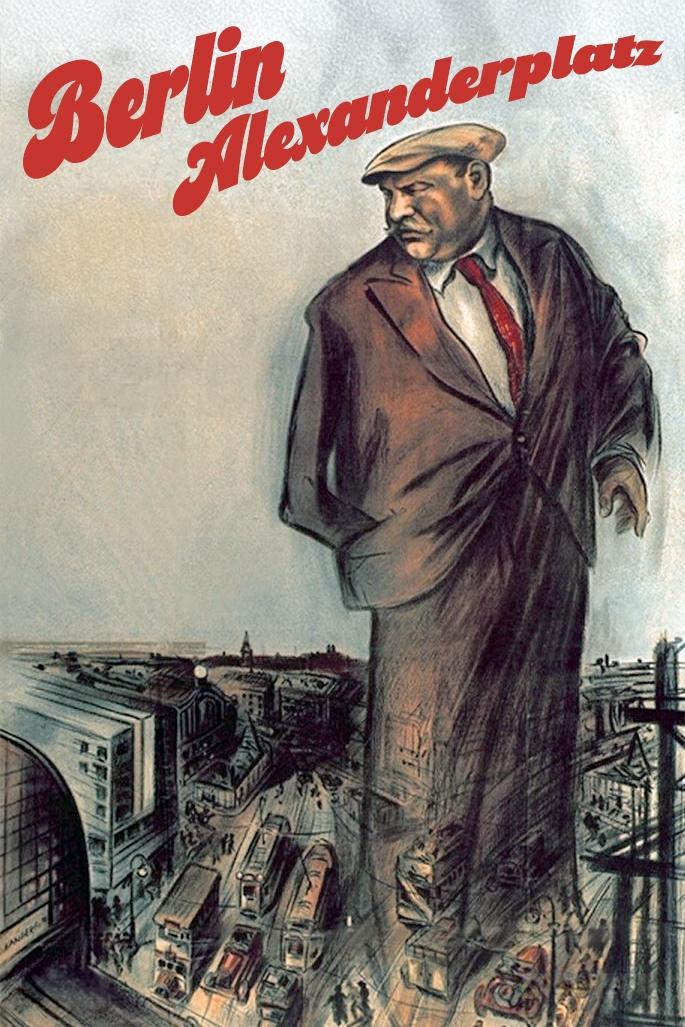
Berlin-Alexanderplatz: The Story of Franz Biberkopf
Franz Biberkopf has served four years in prison. His return to normal life is not successful.
Insights
Plot Summary
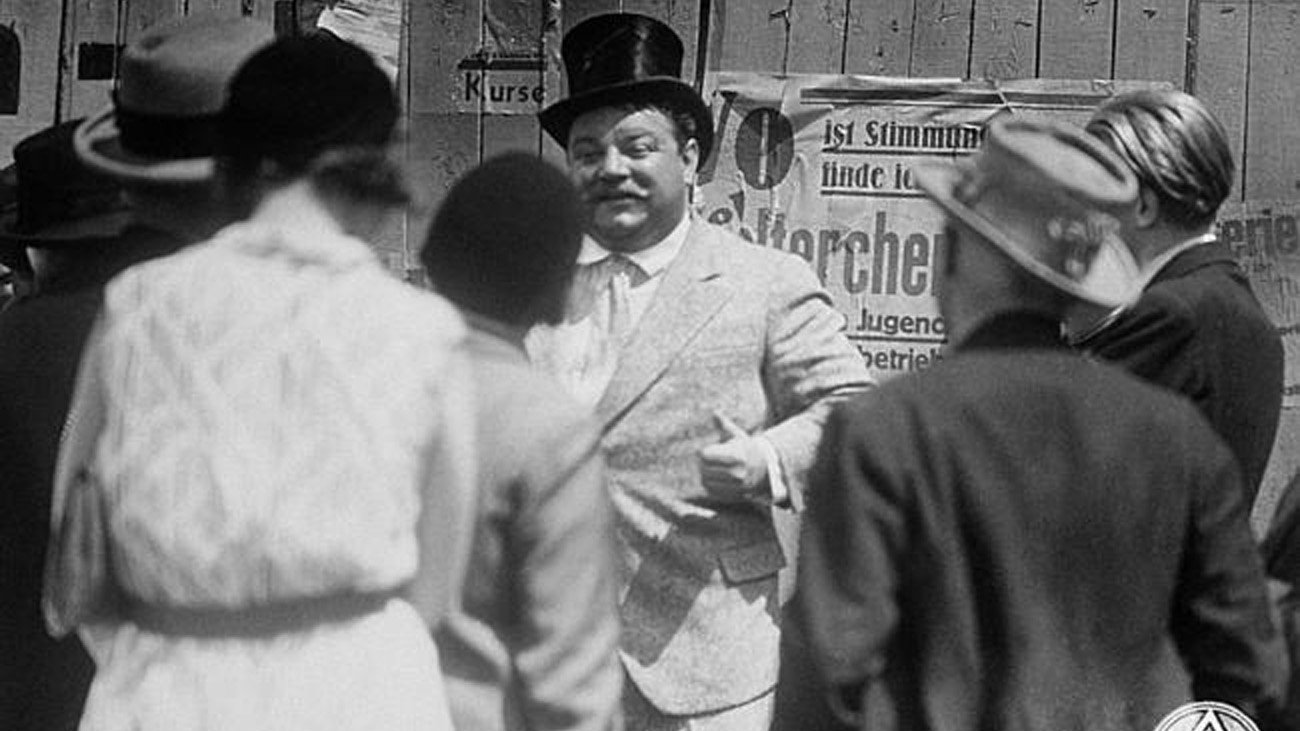
Franz Biberkopf, recently released from prison for murdering his girlfriend, arrives in Berlin with a desire to go straight. However, he is quickly drawn back into the city's underworld. He becomes involved with gangsters, unemployment, and attempts at reform, constantly battling the harsh realities of urban life and his own inner demons. The film chronicles his descent and struggle for survival in the Weimar Republic's capital.
Critical Reception
Filmed during the twilight of the Weimar Republic, "Berlin-Alexanderplatz" is a seminal work of German cinema, lauded for its gritty realism and expressionistic style. It is considered a masterpiece of social commentary, capturing the atmosphere of post-war Berlin with unflinching honesty. Critics praised its raw portrayal of urban decay and societal marginalization, though its bleakness and challenging narrative have sometimes divided audiences.
What Reviewers Say
A powerful and unflinching depiction of urban struggle and moral decay.
Praised for its authentic portrayal of Berlin's underbelly and masterful expressionistic direction.
A bleak but significant social commentary on post-war Germany.
Google audience: Information on specific Google user reviews for this historical film is not readily available.
Fun Fact
The film is based on Alfred Döblin's monumental 1929 novel of the same name, which is considered one of the most important works of German literature from the 20th century.
AI-generated overview · Verify ratings on official sources