
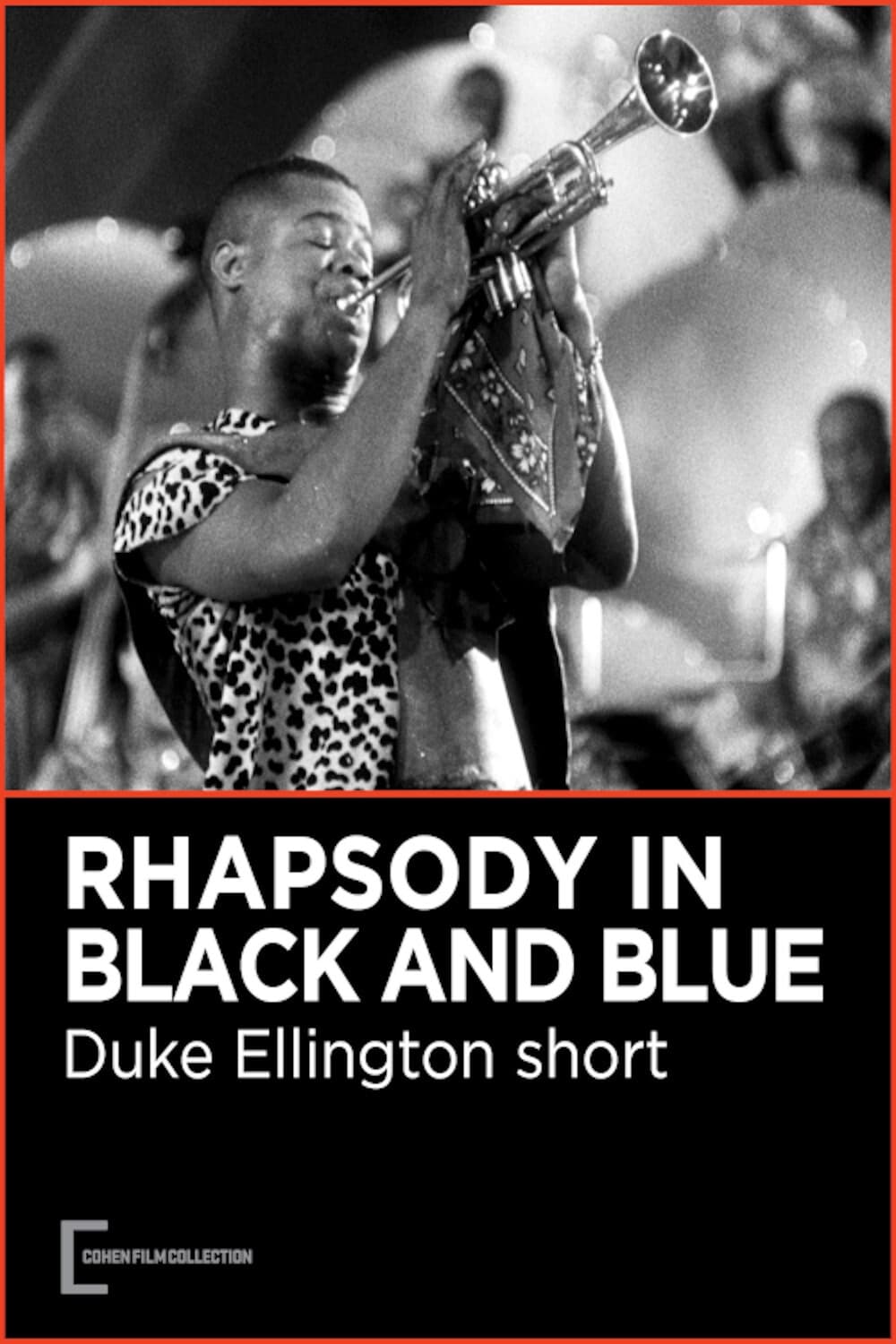
Movie spotlight
A Rhapsody in Black and Blue
A husband who listens to jazz instead of mopping the floor is brained with a mop by his wife; he dreams he's King of Jazzmania, a land of soapsuds where Louis Armstrong performs 'I'll Be Glad When You're Dead You Rascal You' and 'Shine'.
Insights
Plot Summary
This groundbreaking musical documentary showcases the vibrant talent of African American musicians and performers during a pivotal era. Featuring electrifying performances, it highlights the cultural contributions and artistry of the era's jazz and blues scene. The film captures the energy and passion of these artists, offering a rare glimpse into the rich musical landscape of early 20th-century America.
Critical Reception
While not widely reviewed by contemporary critics in the way modern films are, 'A Rhapsody in Black and Blue' is historically significant for its preservation of a vital cultural moment. Its importance lies in its authentic portrayal of African American musical talent at a time when such representation was scarce in mainstream cinema. Modern assessments laud its historical value and the sheer brilliance of its performers.
What Reviewers Say
Historically invaluable for its documentation of early jazz and blues.
Features legendary performances, particularly from Louis Armstrong.
Offers a rare and authentic look at African American musical culture of the era.
Google audience: N/A
Fun Fact
This film is notable for featuring a young Billie Holiday, though her performance was reportedly cut from some prints or shorter than originally intended, and she is often overshadowed by the prominence of Louis Armstrong.
AI-generated overview · Verify ratings on official sources