Movie spotlight
Natrang
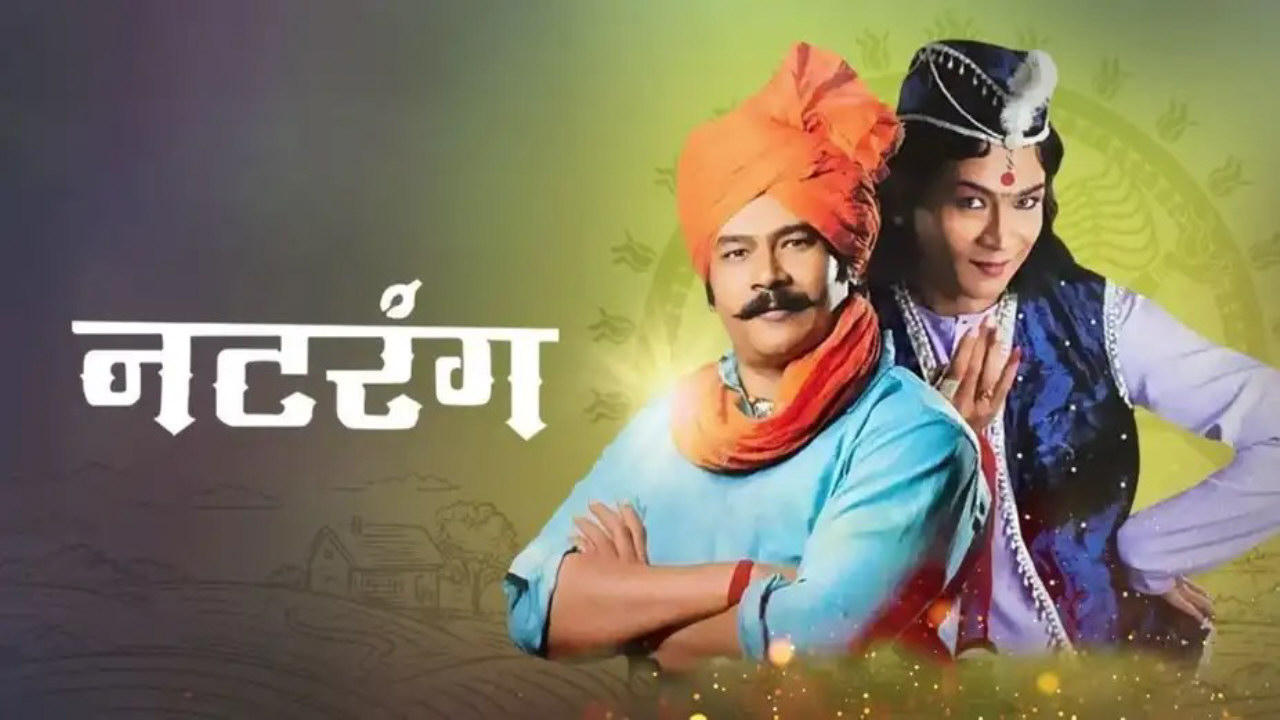
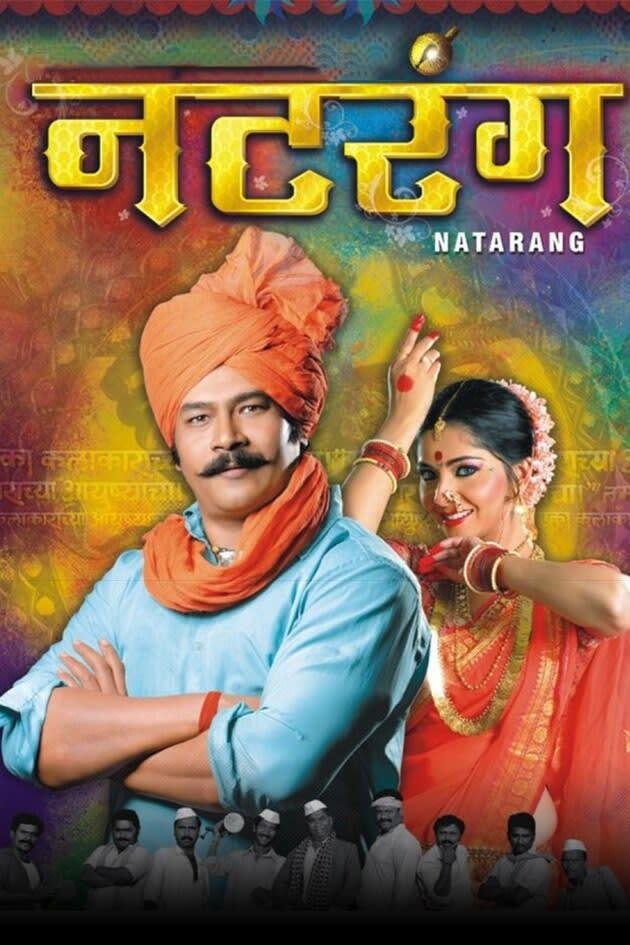
Guna is a village labourer in the hinterlands of Maharashtra. Holding a passion for the 'tamasha' theatre shows, he decides to start his own troupe. Instead of the prestigious role of the king he always dreamed of, he ends up having to play a 'nachya', an effeminate, homosexual man. He goes ahead with the decision, which forever changes him and his family, as he ends up torn between his artistic passion and his societal prestige.
Insights
Plot Summary
Set in a rural Maharashtrian village, 'Natrang' tells the story of an ambitious farmer's son, Digambar, who dreams of becoming a tamasha performer. Despite facing societal prejudice and family opposition, he forms a drama troupe and takes on the female role of 'Mulgi' himself. The film chronicles his struggles, sacrifices, and the profound impact his journey has on his identity and relationships.
Critical Reception
Natrang received widespread critical acclaim for its powerful storytelling, direction, and performances, particularly from Ankush Chaudhari and Amruta Khanvilkar. It was praised for its sensitive portrayal of gender identity, societal norms, and the struggles of artists in rural India, becoming a landmark film in Marathi cinema.
What Reviewers Say
Hailed for its bold subject matter and sensitive handling of complex themes.
Praised for stellar performances, especially Ankush Chaudhari's transformative role.
Commended for its vibrant musical numbers and realistic depiction of village life and the performing arts.
Google audience: Audiences overwhelmingly loved 'Natrang,' praising its emotional depth, powerful performances, and impactful story that challenges social taboos. Many highlighted the film's music and dance sequences as particularly engaging, and appreciated its thought-provoking themes.
Awards & Accolades
Won multiple Filmfare Awards Marathi for Best Actor (Ankush Chaudhari), Best Actress (Amruta Khanvilkar), Best Director (Ravi Jadhav), and Best Film. Also received recognition at the Maharashtra State Film Awards.
Fun Fact
The song 'Apsara Aali' from the film became an iconic chartbuster, and the intricate, colorful costumes and performances in the tamasha sequences were highly praised for their authenticity and visual appeal.
AI-generated overview · Verify ratings on official sources