
Movie spotlight
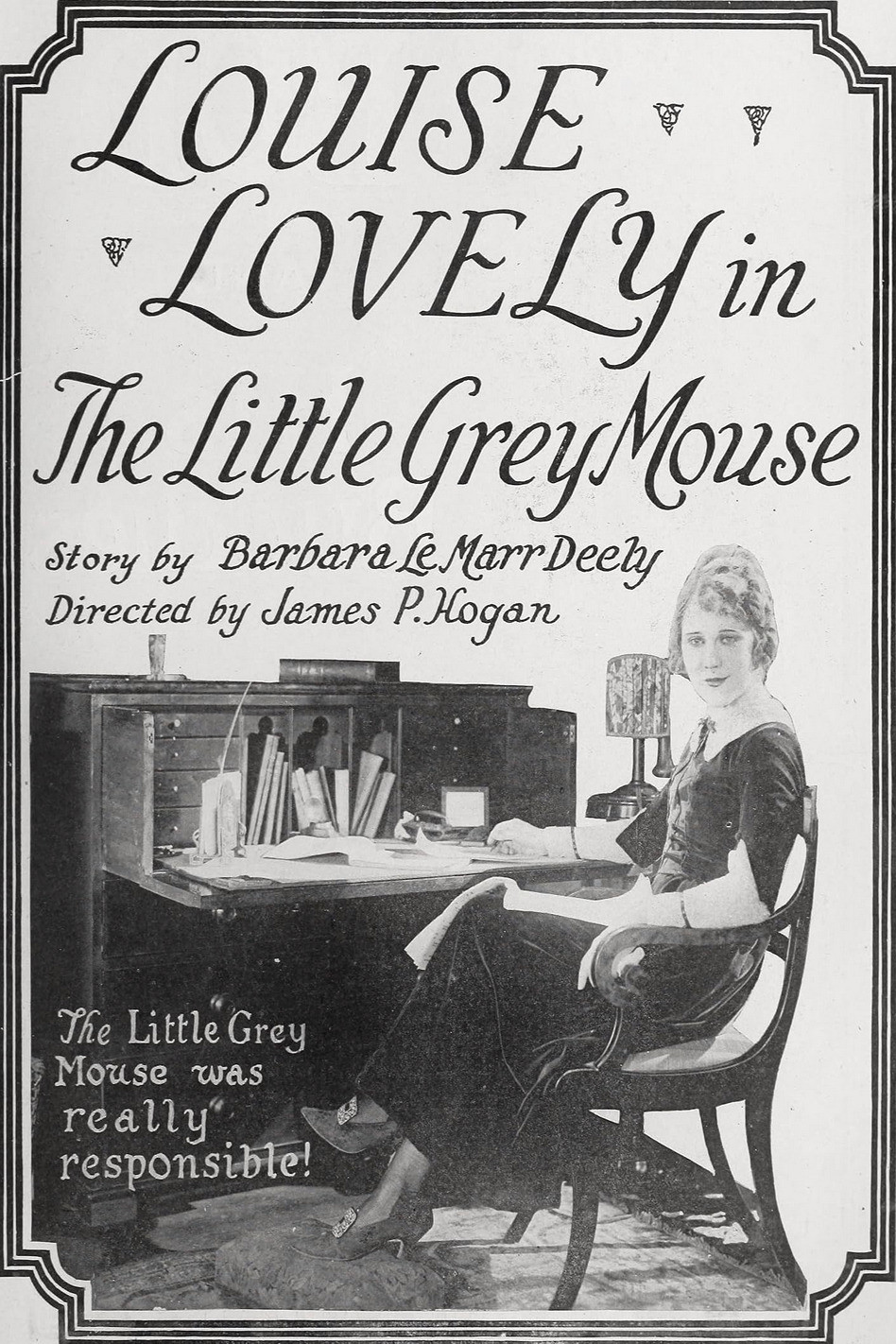
The Little Grey Mouse
Beverly Arnold is a secretary in the law firm of John Cumberland and Stephen Gray. Both men court her, but Beverly succumbs to the charms of Gray. With her help, he writes a bestselling novel which leads him to give up his law career. After their marriage, Beverly continues to aid Gray with his writing, bringing a touch to his work that makes him famous. Gray, however, in his conceit, becomes bored with his wife and divorces her for Hedda Kossiter, a vampirish artist. Beverly, freed from Gray, becomes a literary success in her own right. Gray, anxious to win her back, is dismayed to discover that her heart has turned to his former partner, John Cumberland.
Insights
Plot Summary
A young woman, burdened by poverty and a controlling father, finds solace and hope in a budding romance. However, societal expectations and family obligations threaten to keep her from happiness. She must navigate these challenges to forge her own path and secure a better future.
Critical Reception
As a silent film from 1920, detailed critical reception is scarce. Contemporary reviews likely focused on its melodramatic elements and acting performances, which were standard for the era. It is presumed to have been received as a typical dramatic offering of its time.
What Reviewers Say
Often characterized by its earnest, albeit simple, dramatic narrative.
The performances, particularly of the female lead, were likely highlighted for their emotional depth.
Reflects common themes of social class and romantic aspiration prevalent in early cinema.
Google audience: Information on Google user reviews for this film is unavailable due to its age and the lack of digital archiving for such early cinematic works.
Fun Fact
This film is considered a lost film, meaning no known copies are believed to exist today, making detailed analysis and viewing impossible.
AI-generated overview · Verify ratings on official sources