Movie spotlight
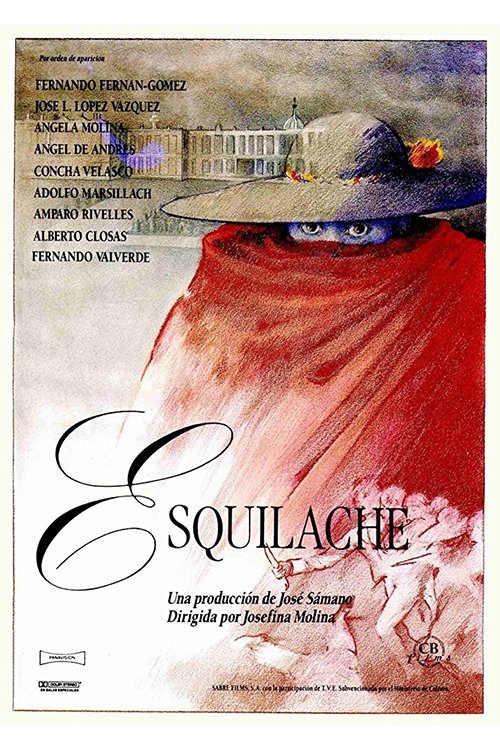
Esquilache
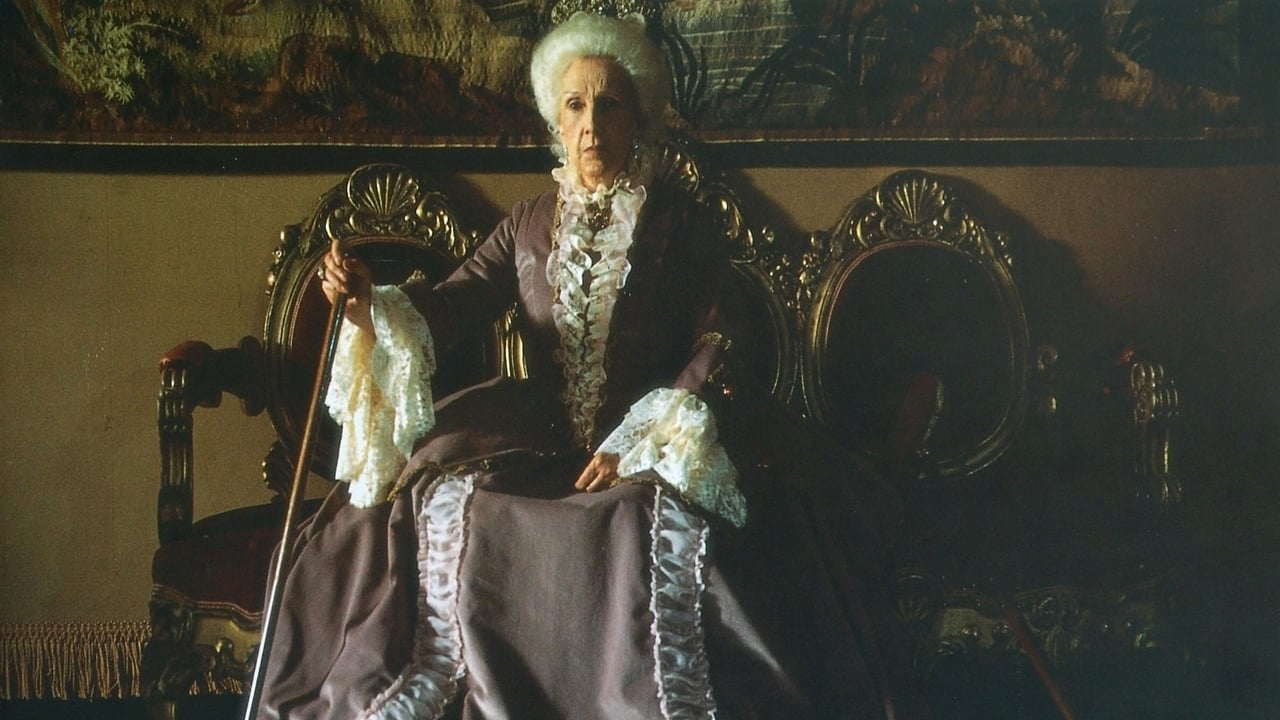
In the 18th century in Madrid, the Marquess of Esquilache, King Charles III of Spain's former minister, bans on wearing the popular wide collar with a long coat and brimmed hat. Along with other measures provoke a massive riot in the city.
Insights
Plot Summary
Set in 18th-century Spain, the film chronicles the life and political career of Leopoldo de Gregorio, Marquis of Esquilache. Appointed as a minister by King Charles III, Esquilache attempts to modernize Madrid by implementing controversial reforms, including the famous 'Mantle and Hat Law.' These changes, however, provoke widespread discontent among the populace, leading to the dramatic Esquilache Riots of 1766.
Critical Reception
Esquilache was generally well-received by critics for its historical accuracy, strong performances, and direction. It is considered a significant film in Spanish cinema for its portrayal of a pivotal moment in Madrid's history and the social unrest that can arise from ambitious reforms.
What Reviewers Say
Praised for its detailed historical recreation of 18th-century Madrid.
Lauded for the performances of its veteran Spanish cast, particularly Fernando Fernán Gómez.
Noted for its engaging narrative exploring themes of reform, tradition, and popular uprising.
Google audience: Audience reception details for Esquilache are not widely available through general Google user reviews, but its subject matter and historical context have garnered interest among those who appreciate Spanish historical dramas.
Awards & Accolades
Nominated for two Goya Awards in 1990, including Best Cinematography and Best Costume Design.
Fun Fact
The film's depiction of the 'Mantle and Hat Law,' which mandated specific dress codes for men in public, was a highly controversial measure that significantly contributed to the riots it portrays.
AI-generated overview · Verify ratings on official sources