
Movie spotlight
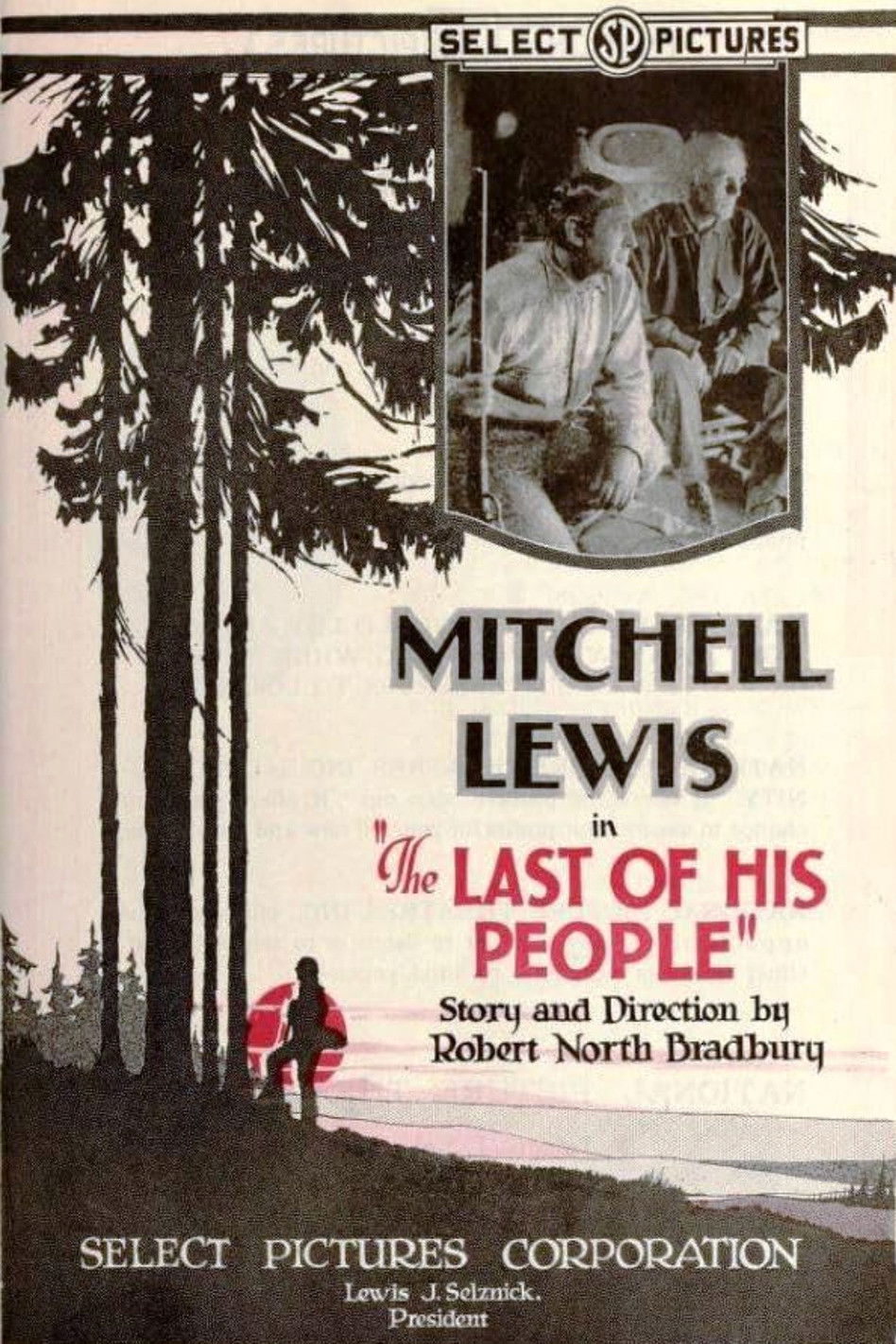
The Last of His People
Lumberjack Anthony Briggs has lived alone in the Canadian North Woods ever since his wife took their daughter and ran off to New York City with Robert Lacey, the lumber camp foreman. One day he comes across young Indian chief Lone Wolf and his sister Na-ta-Le, whose tribe has been wiped out by a "spotted sickness", and adopts them. Years afterward Briggs' daughter, now a young woman, returns to lead a hunting party with her fiance, Lacey's son Reynard. Complications ensue.
Insights
Plot Summary
A young Native American man is torn between his heritage and the encroaching white civilization. He finds himself at odds with his tribe's traditions when he falls for a white woman, leading to conflict and a struggle for survival. The film explores themes of cultural identity, prejudice, and the harsh realities of the American West.
Critical Reception
As a silent film from 1919, specific critical reception data is scarce. However, films of this era often reflected prevailing societal views and depicted Native Americans through a lens of romanticism or otherness, which would have influenced audience perception.
What Reviewers Say
Often viewed as an early attempt to portray Native American themes, though likely with significant inaccuracies and stereotypes.
Reflects the cinematic conventions and social attitudes of the early 20th century concerning race and the West.
Information about its contemporary reception is extremely limited due to its age and the nature of film archiving from that period.
Google audience: As this film predates widespread public online review systems, there is no accessible data on Google user reviews or specific audience sentiments.
Fun Fact
Lost film: 'The Last of His People' is considered a lost film, meaning no known copies are believed to exist today. Information about it comes from contemporary film records, reviews, and historical accounts.
AI-generated overview · Verify ratings on official sources