Movie spotlight
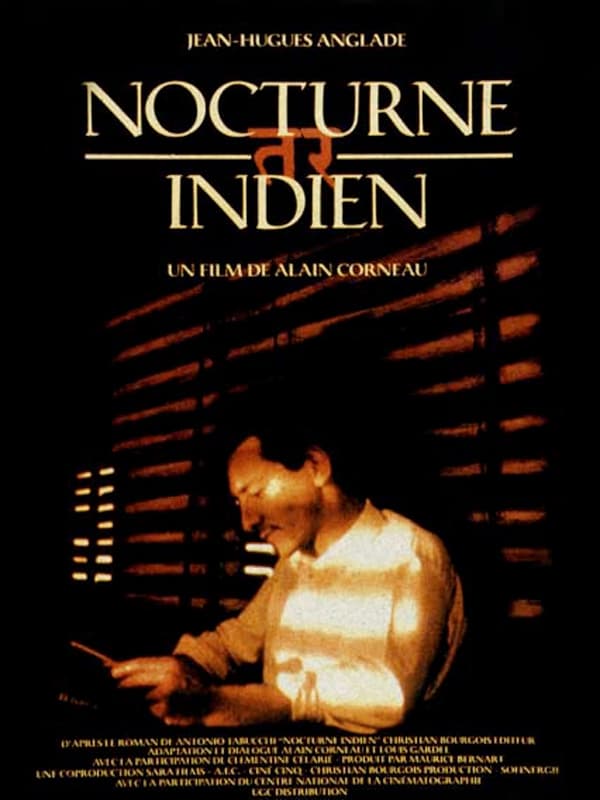
Nocturne Indien
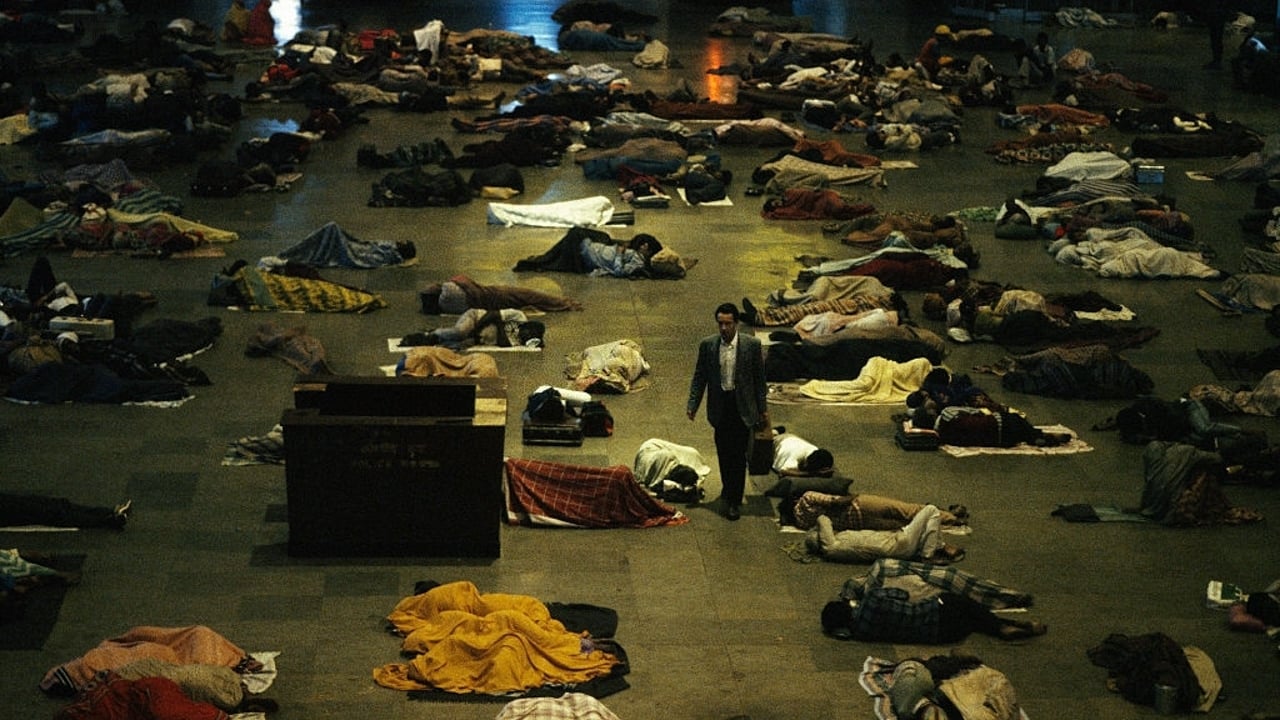
The enigmatic but vivid imagery of this loosely plotted film is based on a similarly evocative novel by the Italian author Antonio Tabucchi, Noturno Indiano. An old friend of the hero's has been living in Bombay with a prostitute. His friend Peter Schlemihl (Otto Tausig) is a concentration camp survivor, who went to India after being captivated by a photograph he saw there. When the prostitute writes to him in Europe asking that he rescue his friend from a mysterious malaise, he flies into India to try and help. When he gets to Bombay, he discovers that his friend has disappeared. Following the clues left behind by the friend, and based on his acquaintance with him, he journeys to Madras to speak to a Theosophist dignitary there, and then journeys on to Portugues Goa. With each step of his journey, the hero (Jean-Hugues Anglade) becomes more identified with his friend, and re-enacts in his own person the transformations he must have experienced.
Insights
Plot Summary
A young French man, driven by a recurring dream and a sense of unease, travels to India in search of answers about his past. He becomes entangled in a complex web of intrigue involving a mysterious woman and a dangerous conspiracy. As he delves deeper, he uncovers unsettling truths about his identity and the forces at play.
Critical Reception
Nocturne Indien received mixed to positive reviews, with many critics praising its atmospheric visuals and Corneau's distinctive directorial style. However, some found the plot to be somewhat convoluted and lacking in clear resolution. The film is often noted for its evocative portrayal of India.
What Reviewers Say
Visually striking and atmospheric, capturing the mystique of India.
Features a compelling central performance and an intriguing, albeit complex, narrative.
The film's dreamlike quality and ambiguous plot may not appeal to all viewers.
Google audience: Audience reception is not widely documented with specific summaries, but general sentiment often points to appreciation for its artistic elements and unique cultural setting, with some viewers finding its narrative less accessible.
Fun Fact
The film's title, 'Nocturne Indien,' translates to 'Indian Nocturne,' reflecting its dreamlike atmosphere and Indian setting, and was inspired by a painting of the same name by the artist Henri Rousseau.
AI-generated overview · Verify ratings on official sources