
Movie spotlight
Solentiname
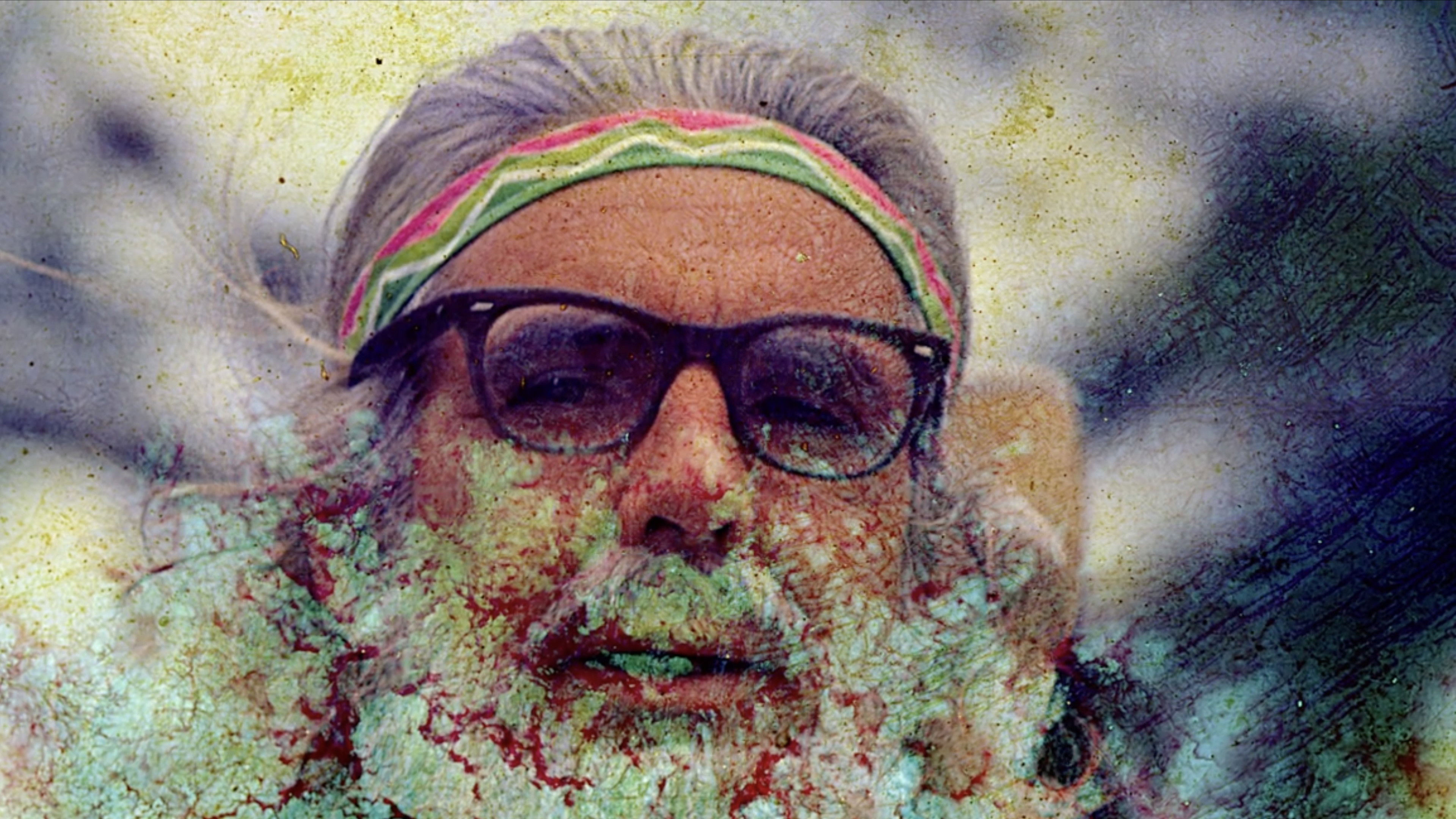
Solentime (2020), directed by Carlos Henríquez Consalvi and Camilo Henríquez, revisits the memory of poet-priest Ernesto Cardenal and the Christian community he founded in the Solentiname archipelago, where art, faith, and revolutionary consciousness converged. The film reconstructs a failed 1973 documentary project, when a young Consalvi traveled from Venezuela to film Cardenal with a 16mm Bolex, only to discover the footage was ruined. Nearly five decades later, during the COVID-19 lockdown and after Cardenal’s death, father and son assemble photographs, archival images, and sound to evoke that encounter and the fragile persistence of memory, turning loss, decay, and time into the material of the film itself.
Insights
Plot Summary
This documentary delves into the Solentiname community in Nicaragua, known for its vibrant artistic and literary movement that flourished in the 1970s under the guidance of poet Ernesto Cardenal. It explores the collective spirit, the social and political context of the time, and the enduring legacy of art as a form of resistance and expression.
Critical Reception
Solentiname has been critically acclaimed for its intimate portrayal of a unique artistic community and its historical significance. Reviewers have praised its evocative imagery, its focus on the power of art in socio-political change, and its compelling interviews with the community's founders and participants.
What Reviewers Say
Praised for its beautiful cinematography and focus on art as a form of resistance.
Highlights the inspiring story of a unique artistic community and its historical context.
Offers a poignant look at the connection between creativity, spirituality, and activism.
Google audience: Audience reception information for this specific documentary is not widely available through public Google reviews.
Awards & Accolades
Nominated for Best Documentary at the Guadalajara International Film Festival (FICG).
Fun Fact
The Solentiname movement was an attempt by Ernesto Cardenal to bring art and literature to rural Nicaraguan communities, fostering a sense of collective identity and political consciousness.
AI-generated overview · Verify ratings on official sources