Insights
Plot Summary
A group of individuals grapple with life's uncertainties and the search for meaning, all while seemingly stuck in a loop of everyday existence. The play delves into their personal struggles, relationships, and their collective attempt to find that one perfect moment, their 'all-time best'. It's a poignant exploration of memory, regret, and the hope for future happiness.
Critical Reception
This stage play by Tamada Kikaku received significant acclaim within the Japanese theater community for its relatable themes and poignant storytelling. It was particularly praised for its ability to blend humor with profound emotional depth, resonating with audiences who identified with the characters' journeys.
What Reviewers Say
Praised for its witty dialogue and sharp observations on modern life.
Acclaimed for its emotional resonance and relatable characters.
Noted for its unique blend of comedy and serious themes.
Google audience: Audience reception for 'When It's Now, The All-Time Best' highlighted its ability to evoke laughter and tears, with many viewers appreciating the play's honest portrayal of human relationships and the search for personal fulfillment. The cast's performance was often cited as a strong point.
Awards & Accolades
While specific major awards for this particular production are not widely documented internationally, Tamada Kikaku's works are generally well-regarded and have received critical attention in Japanese theater circles.
Fun Fact
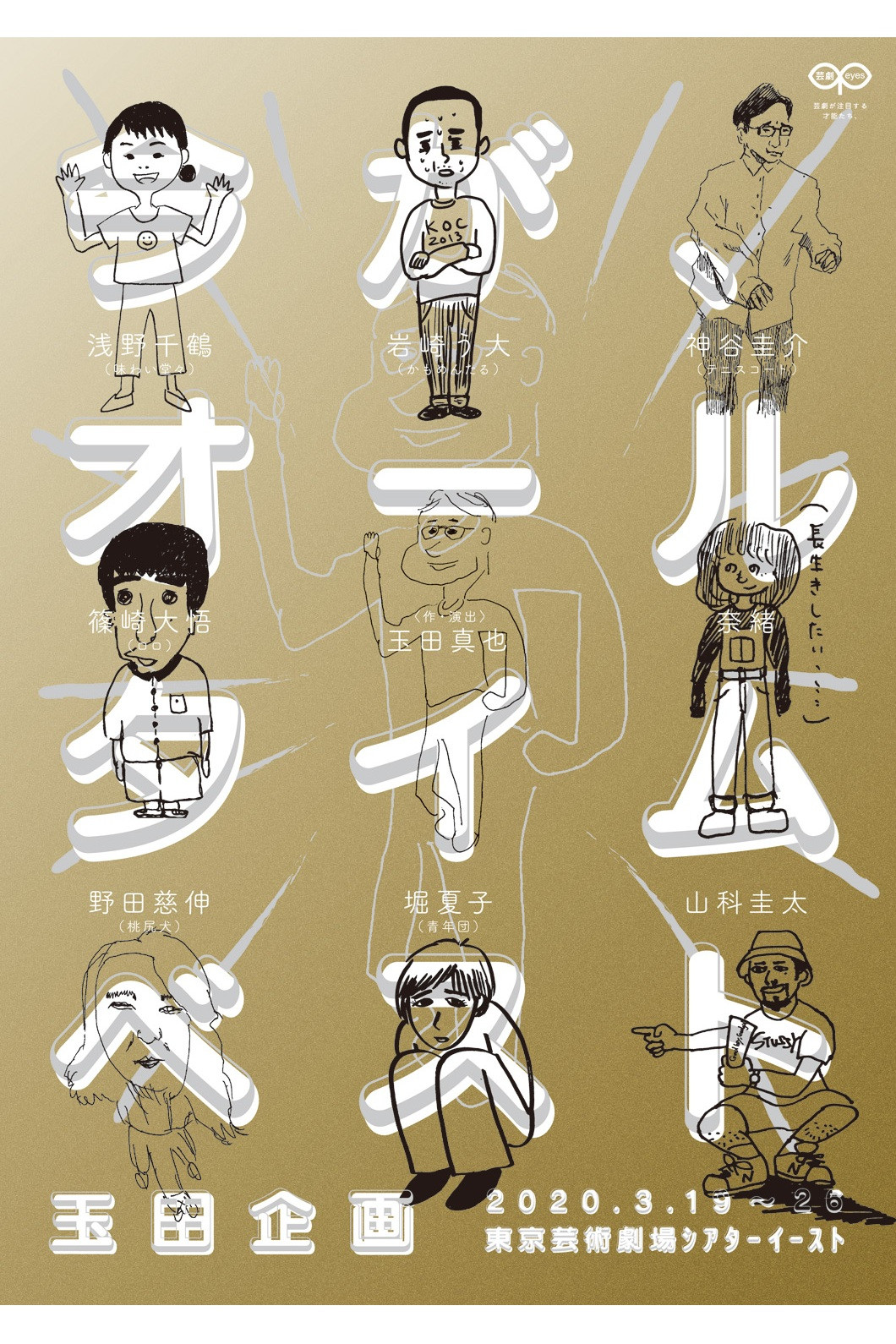
The title, '今が、オールタイムベスト' (Ima ga, Ōrutaimu Besuto), translates to 'Now is the All-Time Best,' reflecting the play's central theme of finding value and happiness in the present moment.
AI-generated overview · Verify ratings on official sources