
Movie spotlight
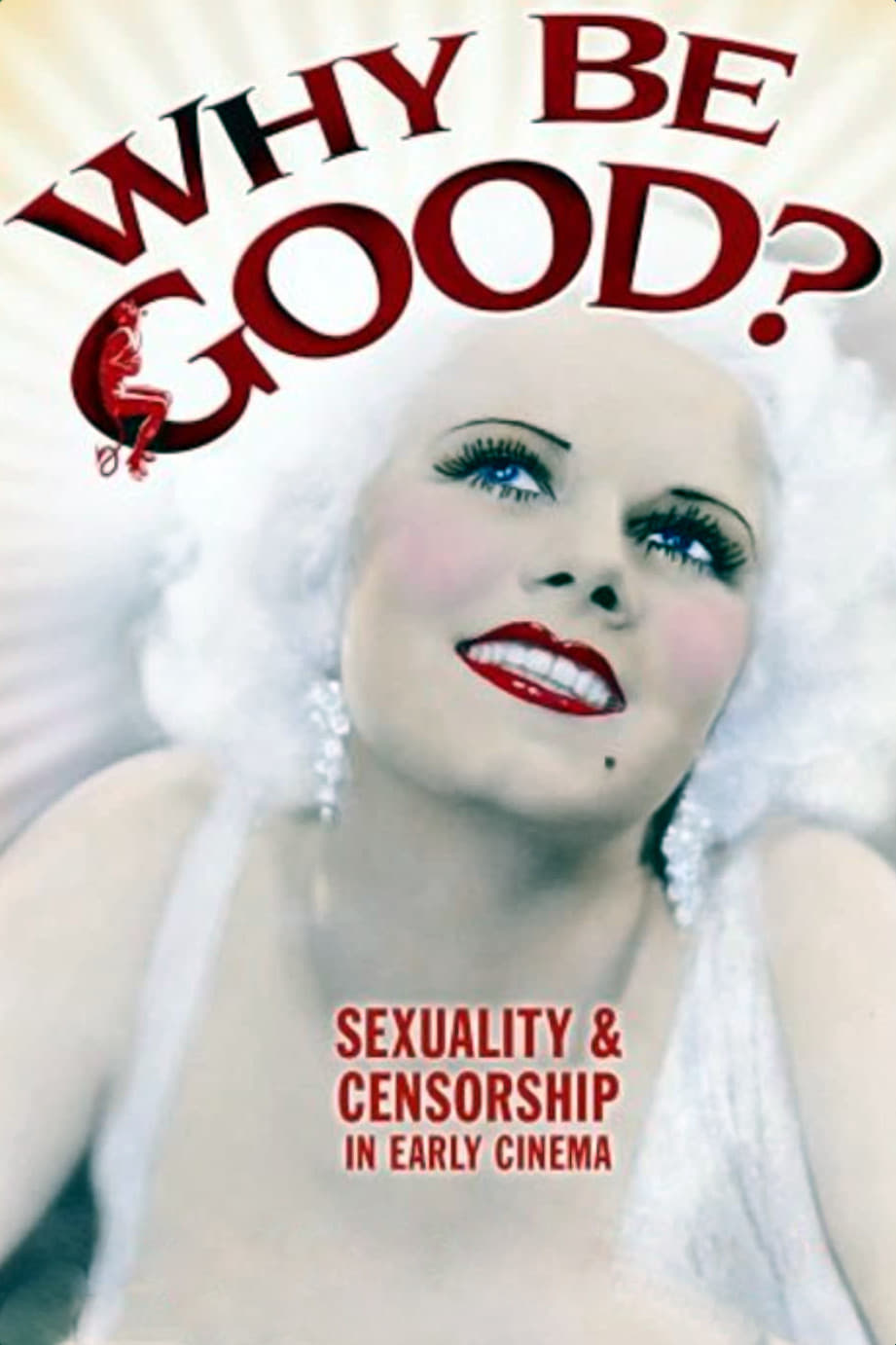
Why Be Good?: Sexuality & Censorship in Early Cinema
Before the G, PG and R ratings system there was the Production Code, and before that there was, well, nothing. This eye-opening documentary examines the rampant sexuality of early Hollywood through movie clips and reminiscences by stars of the era. Gloria Swanson, Mary Pickford, Marlene Dietrich and others relate tales of the artistic freedom that led to the draconian Production Code, which governed content from 1934 to 1968. Diane Lane narrates.
Insights
Plot Summary
This documentary explores the complex relationship between sexuality and censorship in the nascent years of cinema. It delves into how early filmmakers pushed boundaries with suggestive themes and how various social and moral forces responded with censorship. The film examines the cultural context that shaped these early cinematic expressions and the subsequent attempts to control them.
Critical Reception
As an academic documentary, 'Why Be Good?: Sexuality & Censorship in Early Cinema' is highly regarded within film studies circles for its rigorous research and insightful analysis. It is praised for shedding light on a critical but often overlooked aspect of early film history, providing valuable context for understanding the evolution of cinematic language and societal attitudes towards onscreen representation.
What Reviewers Say
Offers a scholarly and in-depth look at the early film industry's struggles with censorship.
Provides fascinating case studies of films and the societal reactions they provoked.
An essential watch for those interested in film history and the sociology of media.
Google audience: Information on Google user ratings and reviews for this specific documentary is not readily available.
Fun Fact
The documentary draws heavily on the work of film historian David Bordwell, who is renowned for his extensive scholarship on film history, theory, and analysis, particularly concerning early cinema and Soviet montage.
AI-generated overview · Verify ratings on official sources