
Movie spotlight
Third Sister Liu
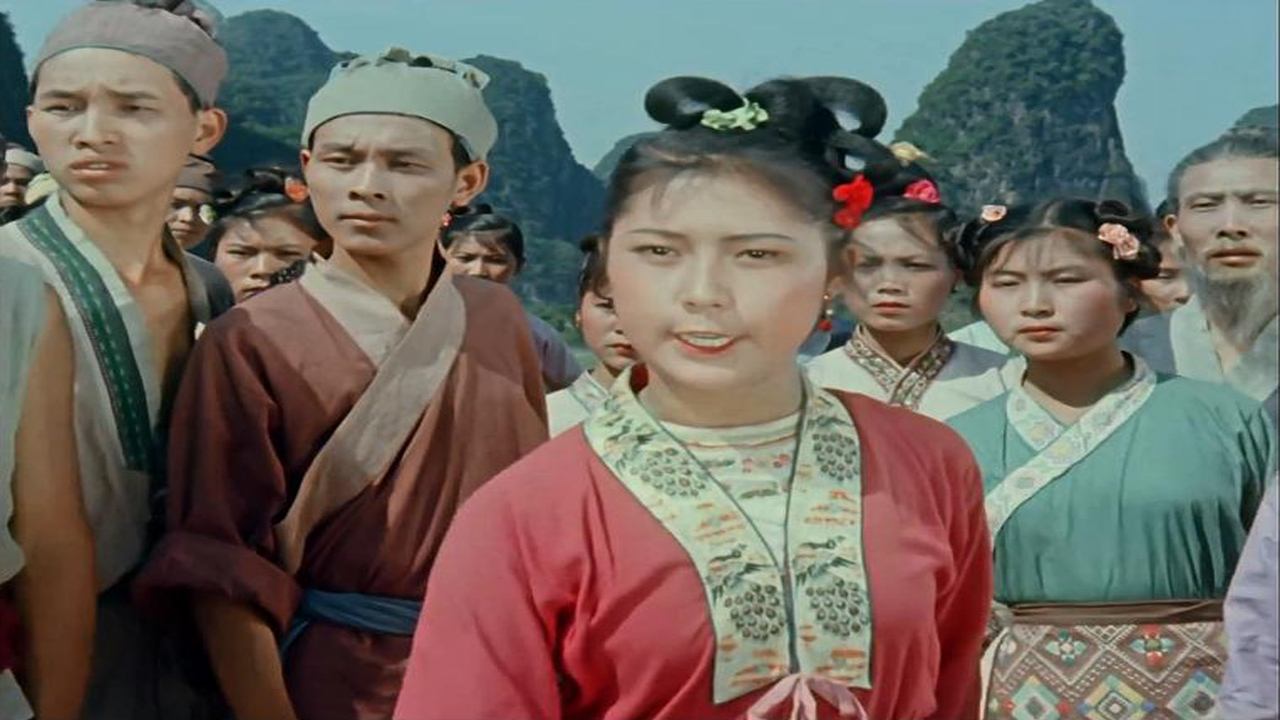
Liu Sanjie is a story that originates from the Zhuang minority people; the largest of the minority groups in China. It’s based on the legend of a woman called Liu Sanjie (literally meaning “third sister of Liu family”). Across generations, the story has become an oral tradition amongst these people and similar characters have even been found to exist in other minority cultures. According to legend, Liu Sanjie had the gift of a beautiful singing voice from a very early age. So beautiful was her voice, she could quell anger and raise the spirits of the people around her. The story became famous around China when the movie Liu Sanjie was released in 1960 – a rare musical production in Chinese cinema.
Insights
Plot Summary
In a rural Chinese village, Liu Sanjie, a gifted singer, faces oppression from a greedy landlord who covets her talent and beauty. Despite the hardships, she finds solace and strength in her music and her friendships. Liu Sanjie's defiance and lyrical spirit become a symbol of hope for the villagers struggling under tyranny.
Critical Reception
Third Sister Liu was a landmark film in Chinese cinema, celebrated for its vibrant portrayal of folk culture and its powerful social commentary. It was immensely popular with audiences and is considered a classic of the period.
What Reviewers Say
Praised for its beautiful musical numbers and depiction of minority culture.
Commended for its strong female protagonist and thematic resonance.
Noted for its historical significance in Chinese filmmaking.
Google audience: Information not available.
Awards & Accolades
Nominated for Best Film at the 1962 Locarno International Film Festival.
Fun Fact
The film is based on a beloved Guangxi Zhuang folk legend and features numerous authentic folk songs, making it a significant cultural artifact.
AI-generated overview · Verify ratings on official sources