
Movie spotlight
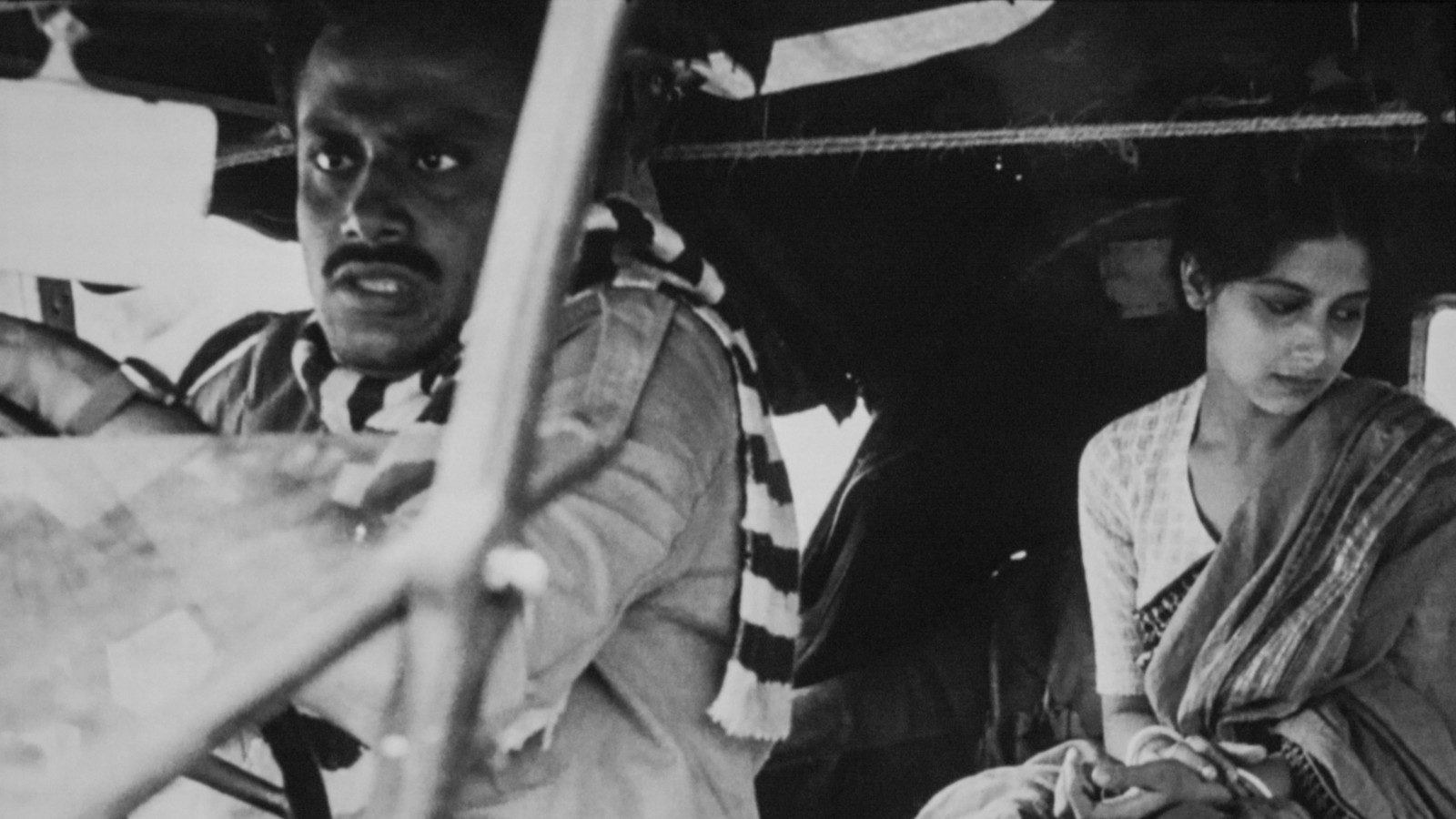
Ajantrik
Bimal is a taxi-driver in a small provincial town. He lives alone, his taxi (an old 1920 Chevrolet jalopy which he named Jagaddal) is his only companion and, although very battered, it is the apple of Bimal's eye.
Insights
Plot Summary
A lonely traveling salesman in rural Bengal finds an unusual companion in his car, which he believes has a life of its own. As their journey progresses, the salesman's bond with the car deepens, blurring the lines between reality and fantasy. He confides his deepest secrets and desires to the machine, highlighting his isolation and search for connection.
Critical Reception
Ajantrik is widely regarded as a masterpiece of Indian cinema, celebrated for its poetic storytelling and innovative approach to themes of alienation and companionship. Critics praised its subtle exploration of human emotions through an unconventional narrative, solidifying its place as a significant work in cinematic history.
What Reviewers Say
Praised for its poetic and melancholic portrayal of loneliness.
Hailed as an early example of magical realism in Indian cinema.
Commended for its unique anthropomorphism of an inanimate object.
Google audience: Audience reception information for Ajantrik is not readily available on Google platforms.
Fun Fact
The film's screenplay was written by the director himself, and it is considered one of the most influential films of the Bengali New Wave.
AI-generated overview · Verify ratings on official sources