
Fabiola
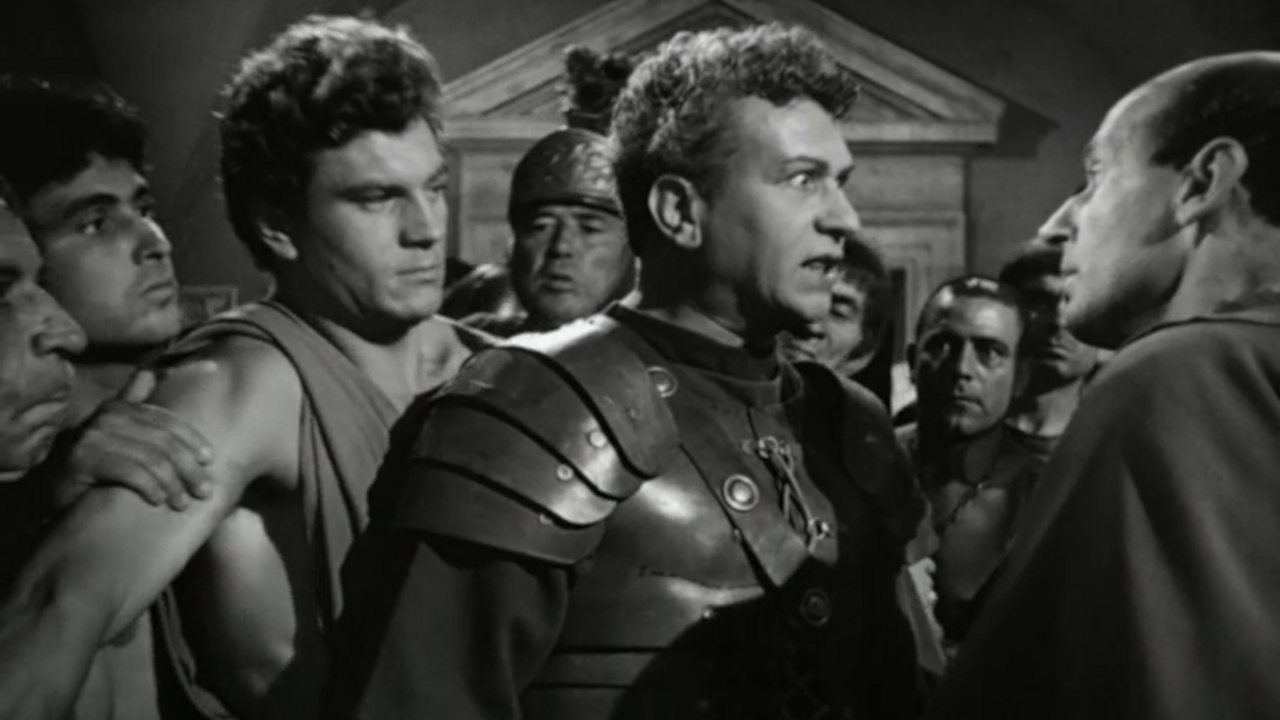
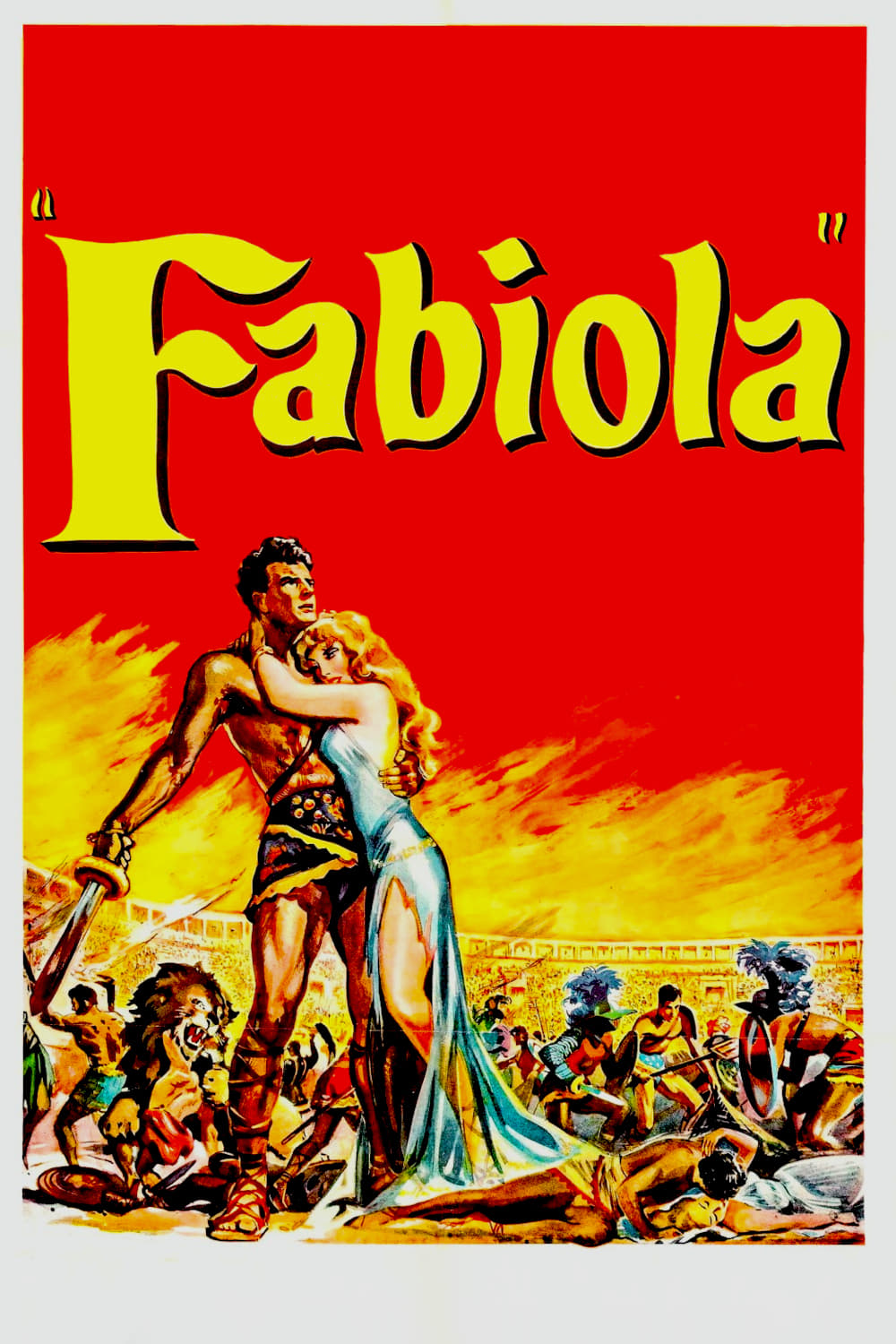
In ancient Rome a love story blossoms between Fabiola, daughter of a senator, and Rhual, a Gallic gladiator. After Fabiola's father is killed, the Romans blame the Christians and the persecution begins. Rhual confesses to being a Christian, is accused of the murder and sentenced to fight to the death in the arena.
Insights
Plot Summary
Set in the 4th century AD, Fabiola follows the story of the beautiful and virtuous Fabiola, a Roman noblewoman entangled in the political and religious turmoil of the era. Torn between her love for the gladiator Rhamses and her devotion to Christianity, she navigates a world rife with persecution, betrayal, and the burgeoning influence of the new faith. Her choices have far-reaching consequences for herself, her family, and the fate of Christians within the Roman Empire.
Critical Reception
Fabiola was a significant Italian production of its time, praised for its grand scale, impressive set design, and dramatic performances. It was seen as an ambitious historical epic that attempted to capture the grandeur of ancient Rome while exploring themes of faith and martyrdom. While not a universally acclaimed masterpiece, it was generally well-received for its visual spectacle and narrative scope, becoming a notable film in the historical epic genre of the post-war era.
What Reviewers Say
- Praised for its lavish production design and epic scope.
- Applauded for its dramatic performances, particularly by the lead actors.
- Recognized as a significant Italian historical drama of its time.
Google audience: Information not available.
Fun Fact
The film was shot in spectacular Technicolor and was one of the most expensive Italian productions of its era, aiming for an international audience with its historical grandeur.
AI-generated overview · Verify ratings on official sources