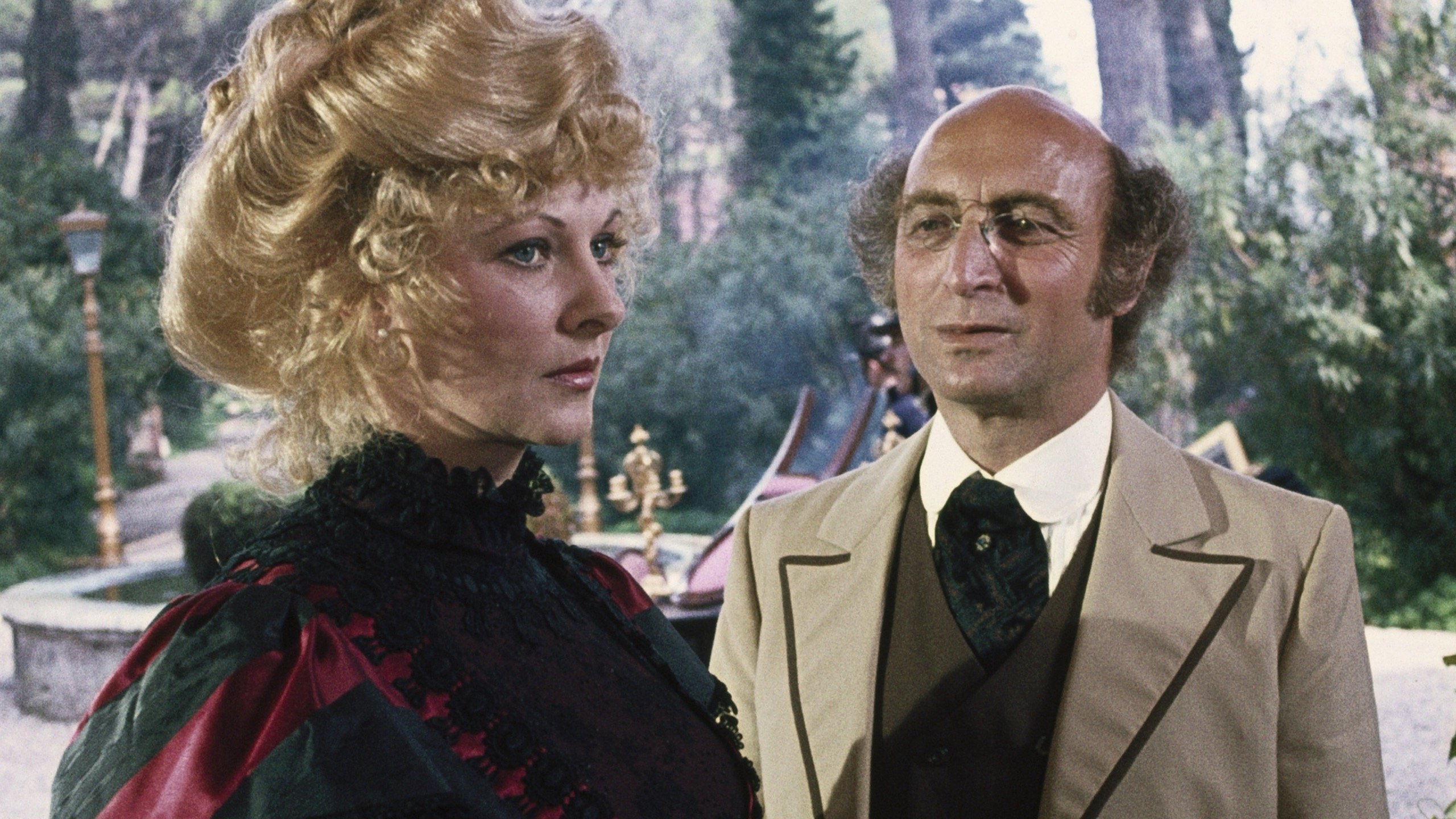

Movie spotlight
Nana
In Zola's Paris, an ingenue arrives at a tony bordello: she's Nana, guileless, but quickly learning to use her erotic innocence to get what she wants. She's an actress for a soft-core filmmaker and soon is the most popular courtesan in Paris, parlaying this into a house, bought for her by a wealthy banker. She tosses him and takes up with her neighbor, a count of impeccable rectitude, and with the count's impressionable son. The count is soon fetching sticks like a dog and mortgaging his lands to satisfy her whims.
Insights
Plot Summary
In 19th century Paris, the beautiful and sophisticated Nana longs for love and security, but finds herself entangled in a series of tumultuous relationships. As she navigates the glittering yet treacherous world of high society, Nana grapples with her desires and the societal expectations placed upon her. Her quest for happiness leads her through various encounters, each shaping her understanding of love, ambition, and survival.
Critical Reception
Nana was met with mixed to positive reviews, with particular praise for Catherine Deneuve's performance and the film's lavish production design. While some critics found the narrative somewhat melodramatic, others appreciated its exploration of female agency and societal constraints in the Belle Époque era.
What Reviewers Say
Catherine Deneuve delivers a compelling performance as the titular character.
The film is visually rich, capturing the atmosphere of 19th-century Paris.
Some found the plot overly sentimental and predictable.
Google audience: Audience reception data for Nana (1983) on Google is not readily available.
Fun Fact
The film is an adaptation of Émile Zola's classic novel of the same name, which was first published in 1880.
AI-generated overview · Verify ratings on official sources