
Movie spotlight
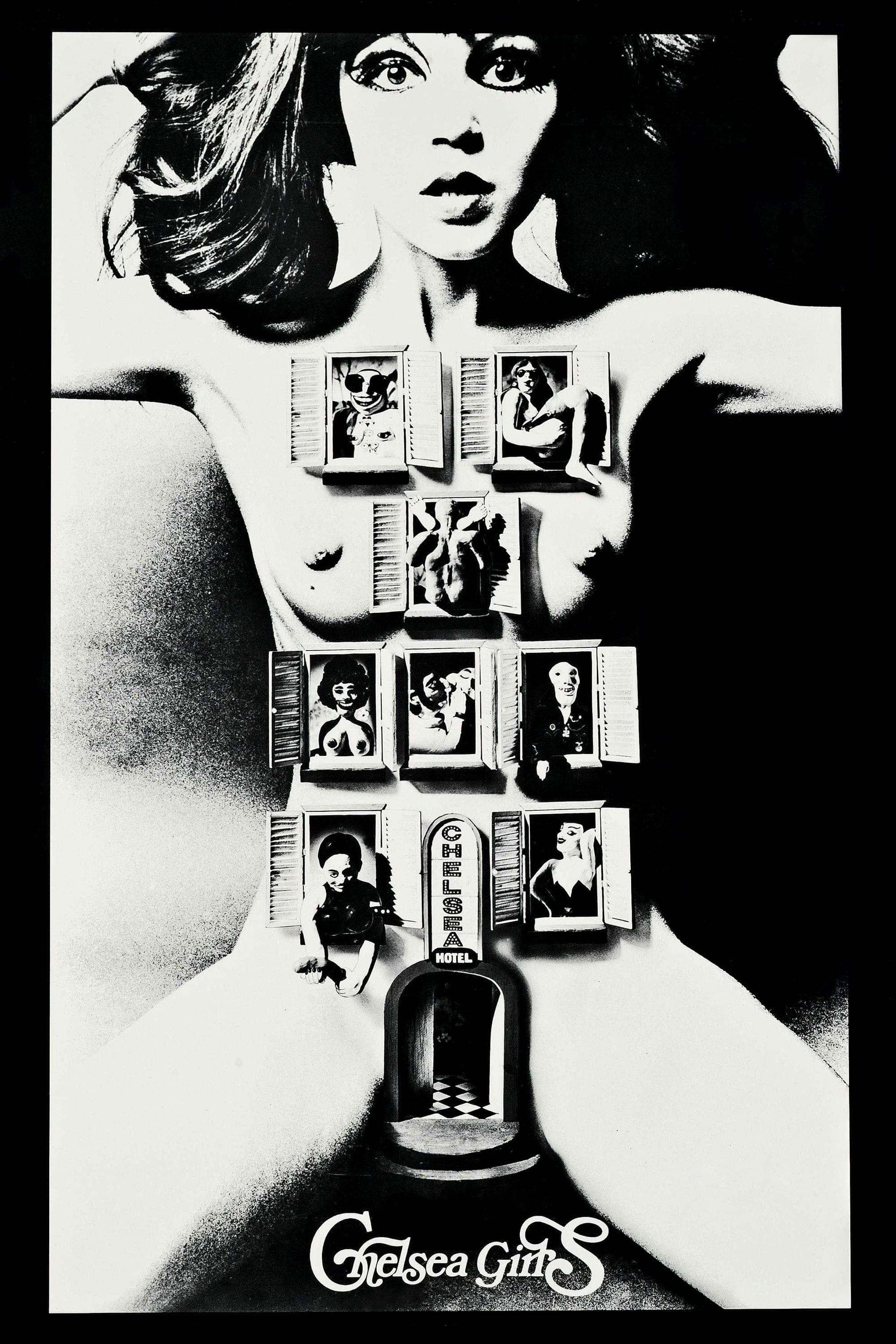
Chelsea Girls
Lacking a formal narrative, Warhol's mammoth film follows various residents of the Chelsea Hotel in 1966 New York City. The film was intended to be screened via dual projector set-up.
Insights
Plot Summary
A seminal work from Andy Warhol's Factory, 'Chelsea Girls' is a non-narrative film structured as a series of vignettes. It documents the lives and interactions of the residents and visitors of the Chelsea Hotel, a hub for artists and counterculture figures in 1960s New York. The film features a rotating cast of Warhol superstars engaging in conversations, performances, and intimate moments, offering a raw and unvarnished look into their bohemian existence.
Critical Reception
While not a mainstream critical darling due to its experimental nature, 'Chelsea Girls' is widely regarded as a landmark of underground cinema and a significant document of the 1960s counterculture. Critics at the time noted its groundbreaking use of split-screen and its unfiltered portrayal of its subjects. Over time, its influence on experimental film and its anthropological value have been increasingly recognized.
What Reviewers Say
A fascinating, albeit challenging, glimpse into the lives of Warhol's Factory members.
Pioneering in its use of technology and its unedited portrayal of subject matter.
Considered essential viewing for understanding Warhol's artistic output and the era.
Google audience: Information not available.
Awards & Accolades
None notable.
Fun Fact
The film famously utilized a split-screen technique, with two projections running simultaneously, showing different scenes or characters interacting, which was a novel approach to filmmaking at the time.
AI-generated overview · Verify ratings on official sources