
Movie spotlight
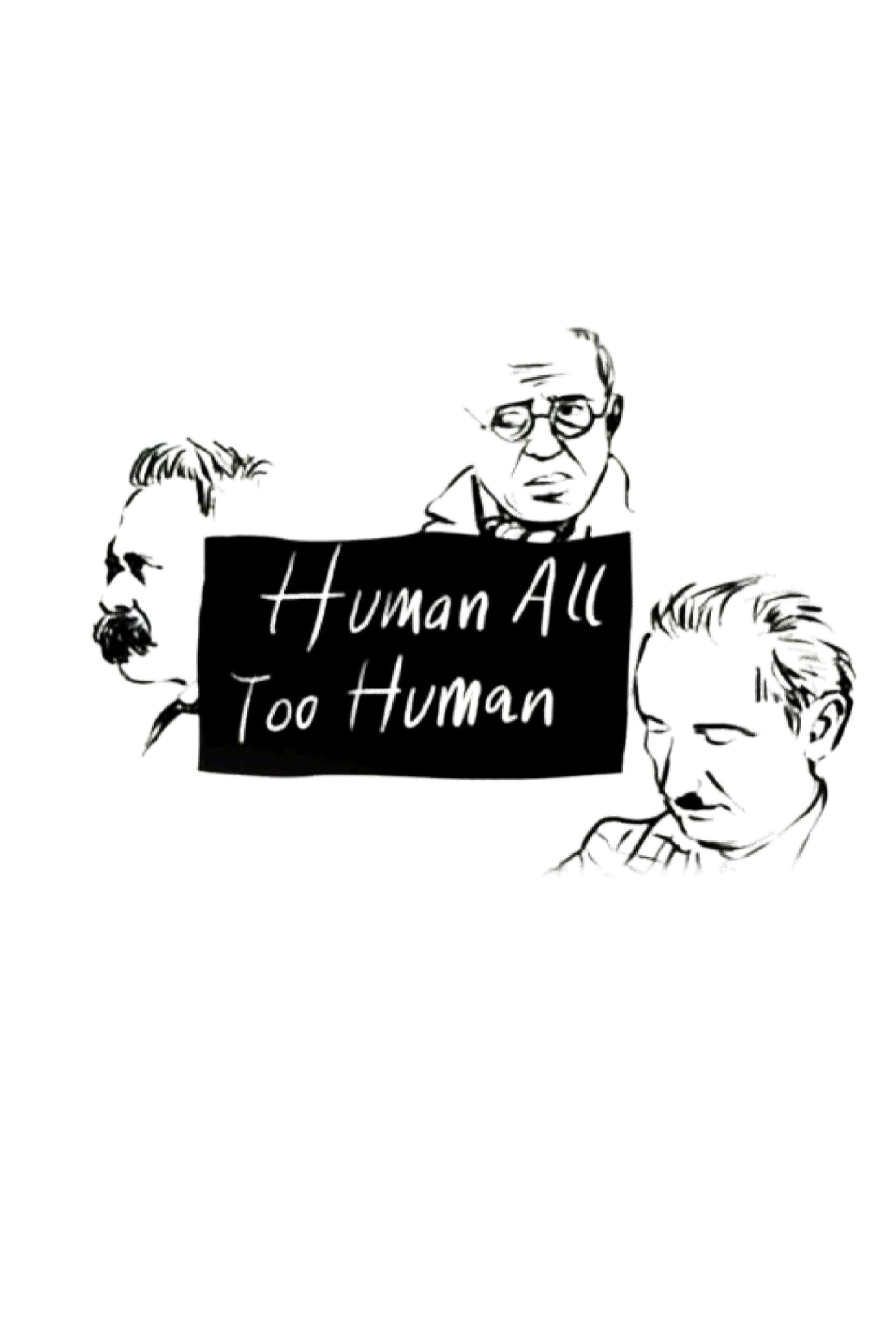
Human, All Too Human
European philosophers: Friedrich Nietzsche, Martin Heidegger and Jean-Paul Sartre. The theme revolves heavily around the school of philosophical thought known as Existentialism, although the term had not been coined at the time of Nietzsche's writing and Heidegger declaimed the label. The documentary is named after the 1878 book written by Nietzsche, titled Human, All Too Human: A Book for Free Spirits.
Insights
Plot Summary
This documentary series delves into the philosophical work of Friedrich Nietzsche, particularly focusing on his seminal text 'Human, All Too Human'. It features discussions and analyses by various scholars and historians, exploring Nietzsche's ideas on morality, religion, truth, and the human condition. The series aims to make Nietzsche's complex and often controversial thought accessible to a wider audience.
Critical Reception
As a documentary series focusing on philosophical discourse rather than a traditional narrative film, 'Human, All Too Human' (1999) did not receive mainstream critical reviews in the same vein as a feature film. Its reception is largely gauged by its academic and philosophical impact, with scholars generally acknowledging its value in presenting Nietzsche's ideas. Audience reception would likely be limited to those with a specific interest in philosophy.
What Reviewers Say
Offers a valuable exploration of Nietzsche's complex philosophy.
Scholarly presentations provide insightful commentary on 'Human, All Too Human'.
Appreciated by those seeking a deeper understanding of Nietzschean thought.
Google audience: Information on Google user reviews for this specific 1999 documentary series is not readily available, as it caters to a niche audience interested in philosophy.
Fun Fact
The 1999 documentary series is named after Friedrich Nietzsche's 1878 book of the same title, which was his first major work to break from the philosophical traditions of his time and adopt a more aphoristic style.
AI-generated overview · Verify ratings on official sources