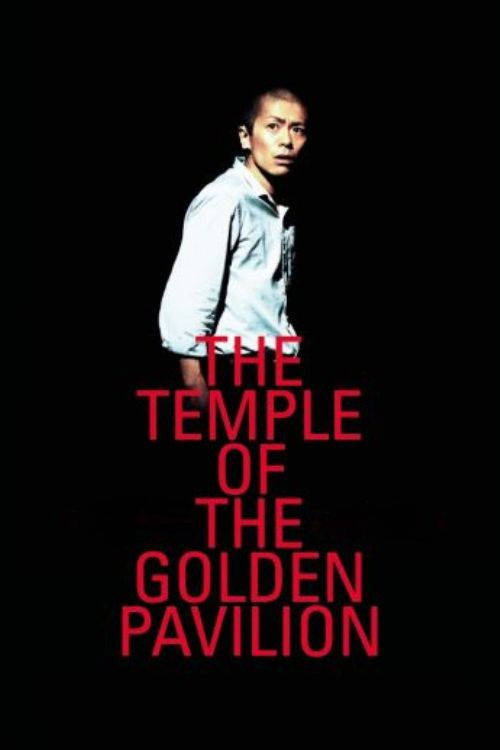
The Temple of the Golden Pavillion
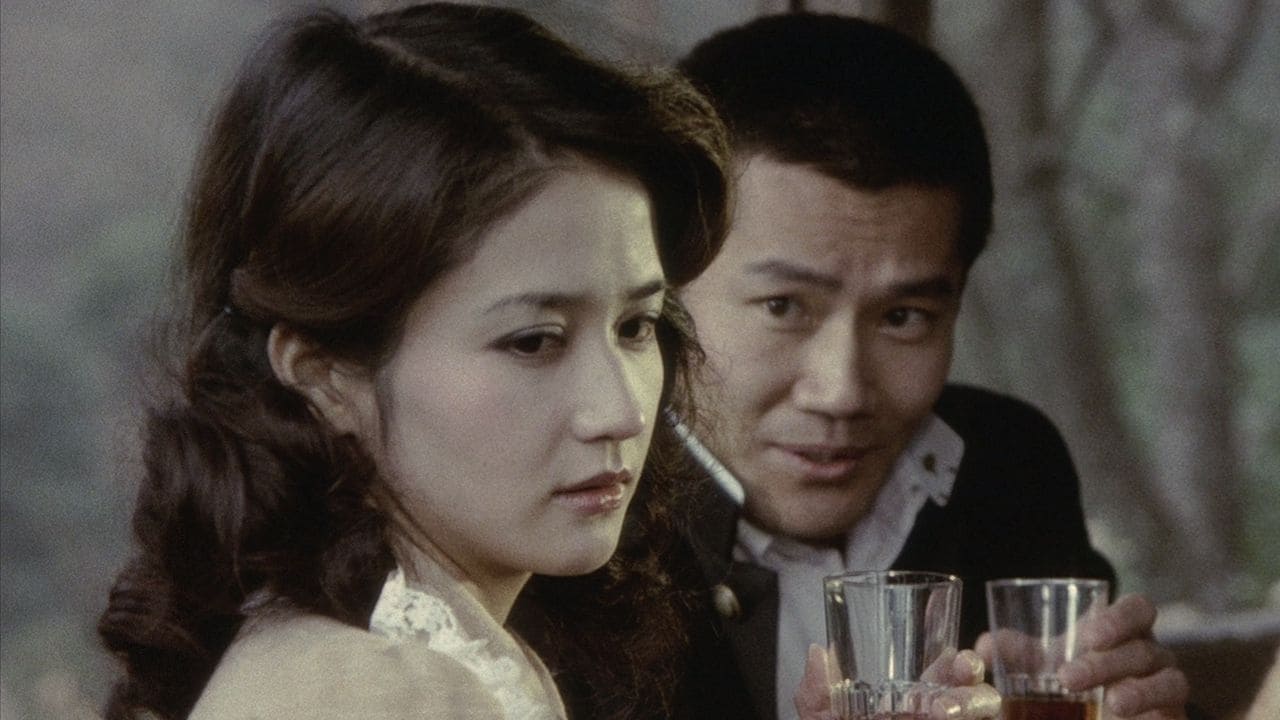
The story takes place during the end of the Pacific War and the aftermath period and it focuses on Mizoguchi, who is the son of a Buddhist Priest. When his father dies, he’s sent to the Temple of the Golden Pavilion in Kyoto. Mizoguchi is physically unattractive and becomes, in some way, jealous of the beautiful Temple that he loves so much.
Insights
Plot Summary
Based on Yukio Mishima's novel, this film chronicles the story of Mizoguchi, a young, aesthetically sensitive acolyte at the historic Kinkaku-ji temple in Kyoto. Tormented by his own perceived ugliness and the overwhelming beauty of the golden pavilion, Mizoguchi develops a destructive obsession with it. His internal struggles and fixation escalate, leading him down a path of self-destruction and ultimately to an act of arson aimed at possessing the pavilion's beauty in his memory.
Critical Reception
The film adaptation of Mishima's acclaimed novel received mixed to positive reviews, with critics often praising its visual artistry and exploration of complex psychological themes. However, some found it less impactful than the source material, noting the challenges of translating Mishima's dense prose and philosophical undertones to the screen. Audience reception was generally in line with critical sentiment, appreciating its artistic merit but acknowledging its somber and challenging narrative.
What Reviewers Say
- Praised for its visual splendor and faithful depiction of the novel's central themes.
- Acknowledged for its sensitive portrayal of a troubled protagonist's psyche.
- Some critics felt it didn't fully capture the depth and literary nuance of Mishima's original work.
Google audience: Information regarding specific Google user reviews for this film is not readily available.
Fun Fact
The film is an adaptation of the 1956 novel by Yukio Mishima, considered one of his masterpieces and a significant work of post-war Japanese literature.
AI-generated overview · Verify ratings on official sources