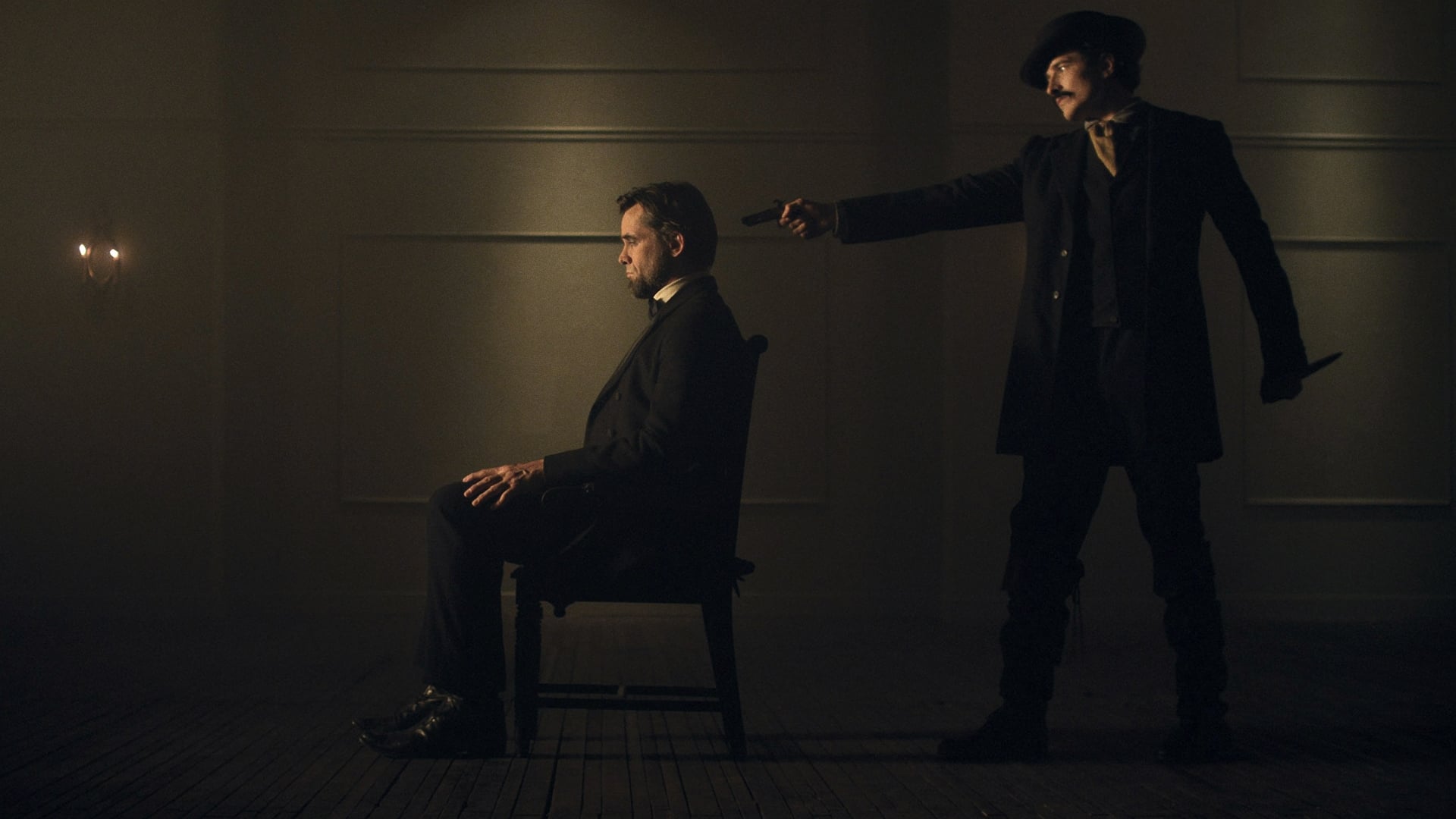

Killing Lincoln
April 14, 1865. One gunshot. One assassin hell-bent on killing a tyrant, as he charged the 16th President of the United States. And in one moment, our nation was forever changed. This is the most dramatic and resonant crime in American history—the true story of the killing of Abraham Lincoln.
Insights
Plot Summary
This historical drama chronicles the events leading up to and immediately following the assassination of President Abraham Lincoln. It focuses on the conspiracy orchestrated by John Wilkes Booth and the intense manhunt for the assassin. The film also delves into Lincoln's personal life and his efforts to unite a fractured nation in the aftermath of the Civil War.
Critical Reception
Killing Lincoln received mixed reviews from critics, with many commending its ambition and the performances of its cast, particularly Billy Campbell as Lincoln. However, some critics found the historical accuracy and dramatic interpretations to be questionable, and the pacing was occasionally criticized. Audience reception was generally more positive, appreciating its accessible portrayal of a significant historical event.
What Reviewers Say
- Praised for its depiction of the historical events and the performances, especially Billy Campbell's portrayal of Lincoln.
- Criticized by some for historical liberties taken and a sometimes uneven pace.
- Appreciated by audiences for bringing a significant historical moment to life.
Google audience: Viewers found the film to be an engaging and informative look at the final days of Abraham Lincoln and the conspiracy surrounding his assassination. Many appreciated the dramatic retelling of the events and the efforts to portray the historical figures accurately.
Fun Fact
The film is based on the best-selling book of the same name by Bill O'Reilly and Martin Dugard.
AI-generated overview · Verify ratings on official sources