Movie spotlight
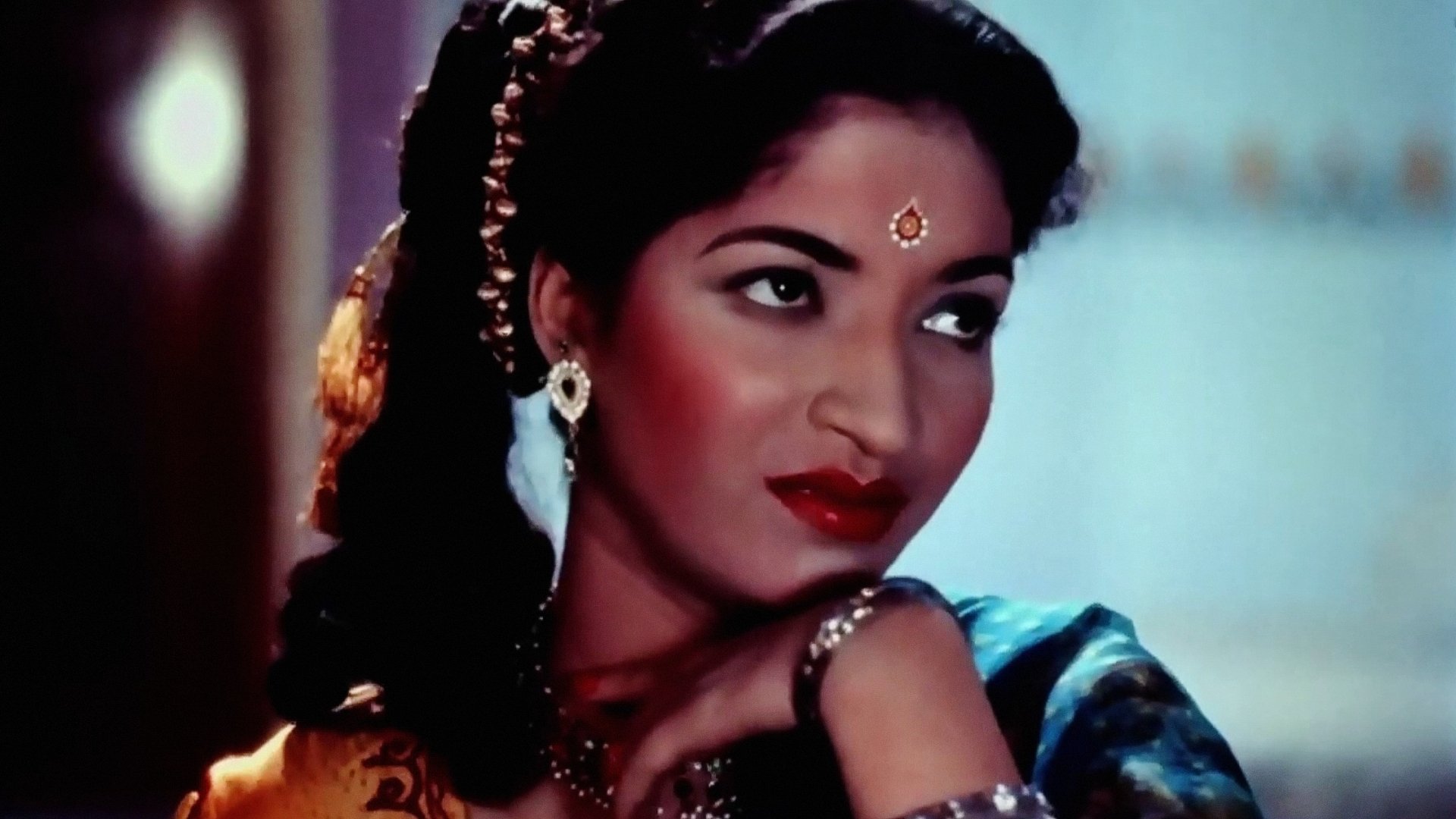
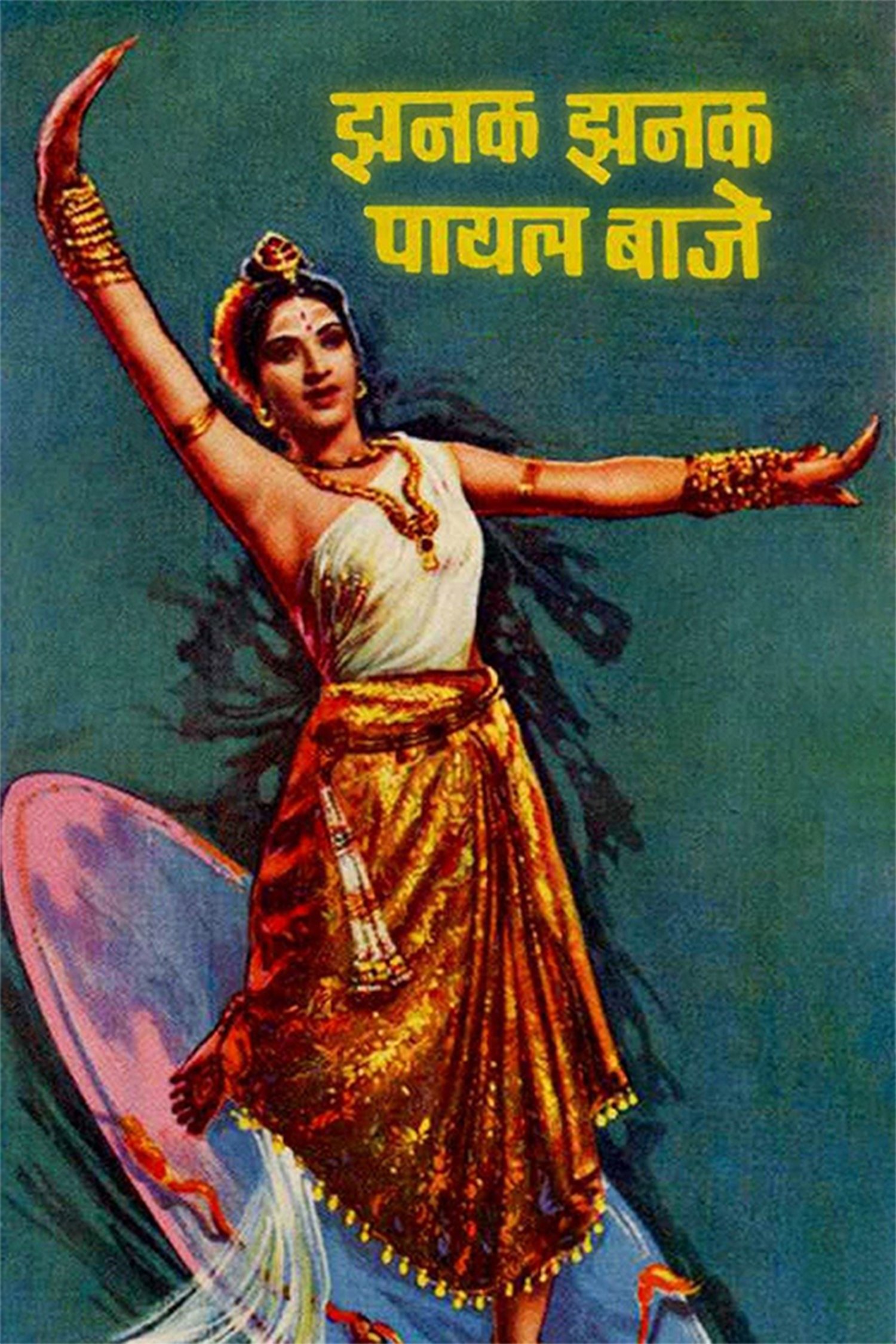
Jhanak Jhanak Payal Baaje
Dancer maestro Mangal Maharaj wants his son, Girdhar, who is a dancer par excellence, to enter the once-in-ten-years Nateshwar Utsav dance competition, win it, and be crowned the Bharat Natraj. While Girdhar can do a solo dance number, he is also required to dance the Shiv-Parvati Tandav dance with a female partner. Mangal Maharaj would like Roopkala to be his partner, but ends up being disappointed with her. Now with only a year left for the Utsav, he chances upon talented dancer and singer, Neeladevi, and recruits her. He subjects her to strenuous training and he is pleased with her performance. Then he finds out that Girdhar and Neela have fallen in love with each other, and their involvement is interfering with their performance. Unhappy with Neeladevi, he dismisses her, and sets forth to look for another dancer. The question remains: Will he be able to find another one, train her, and make her compete just in time for the Utsav, or will he lose this opportunity altogether and ...
Insights
Plot Summary
This classic Indian film tells the story of two classical dancers, Niranjan and Nalini, who are rivals in the world of dance. Their competitive spirit often leads to clashes, but beneath the rivalry, a deep respect and admiration grow. The narrative beautifully explores the dedication, passion, and challenges faced by classical dancers, culminating in a spectacular display of artistry and emotional depth.
Critical Reception
Jhanak Jhanak Payal Baaje was a significant critical and commercial success, lauded for its innovative choreography, stunning visuals, and V. Shantaram's masterful direction. It is widely considered a landmark in Indian musical cinema for its authentic portrayal of classical dance and its sensitive storytelling.
What Reviewers Say
Praised for its breathtaking classical dance sequences and V. Shantaram's artistic vision.
The film's authentic depiction of the dancer's life and struggles resonated with audiences.
Noted for its beautiful cinematography and melodious music.
Google audience: Information on Google user reviews and ratings for this film from 1955 is not readily available.
Awards & Accolades
Won the National Film Award for Best Feature Film and the Certificate of Merit for Best Feature Film. Also won the Filmfare Award for Best Cinematography and Best Music Director.
Fun Fact
The film's elaborate dance sequences were choreographed by Gopi Krishna himself, who also played the lead male role, showcasing his immense talent as both a dancer and an actor.
AI-generated overview · Verify ratings on official sources