
Insights
Plot Summary
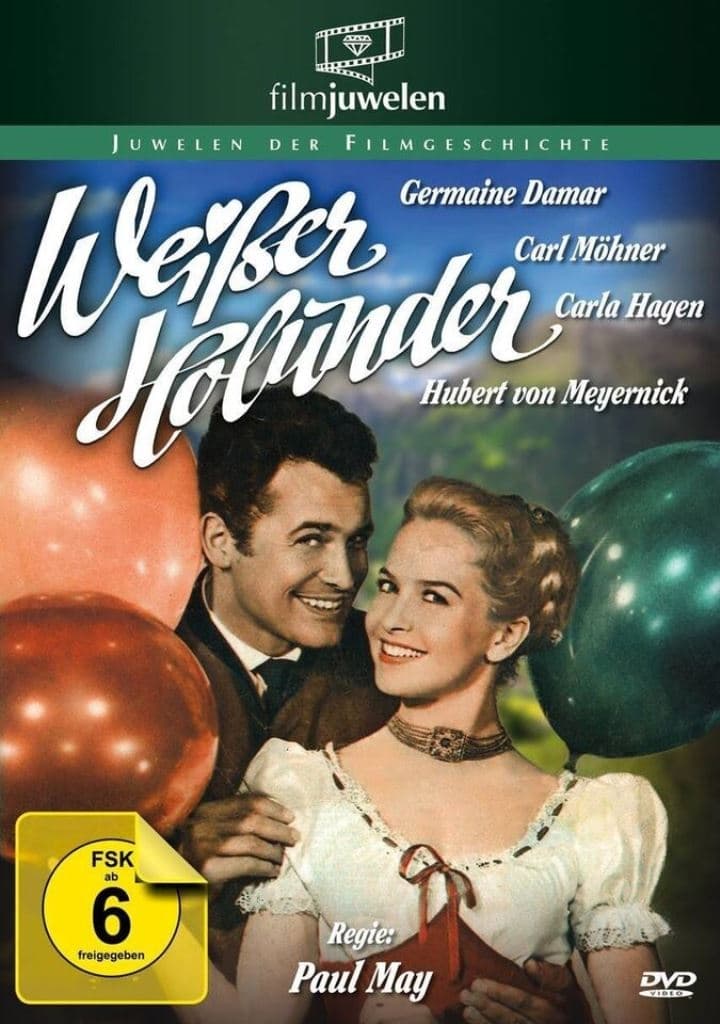
A lonely old gardener, Anton, finds solace and purpose in his work with his beloved elderberry plants. His peaceful life is disrupted by the arrival of a young orphan girl, Leni, who is initially distrustful and rebellious. As Anton patiently cares for Leni and teaches her about nature and responsibility, a bond begins to form between them. The film explores themes of loneliness, healing, and the unexpected joys of found family.
Critical Reception
The film was generally well-received in its time, appreciated for its heartwarming story and the gentle performances of its cast. It struck a chord with audiences looking for family-friendly dramas with a moral compass. While not a major critical sensation, it is remembered fondly for its simple yet effective portrayal of human connection and the restorative power of nature.
What Reviewers Say
Praised for its touching story of an unlikely friendship.
Hans Moser's performance as the kind gardener was a highlight.
Appreciated for its gentle pacing and wholesome family appeal.
Google audience: Audience reception for 'Weißer Holunder' is not widely documented on contemporary Google review platforms. However, older reviews and general sentiment suggest it was seen as a charming and heartwarming film, particularly appealing to families.
Fun Fact
The film's focus on gardening and nature was a significant theme, reflecting a broader appreciation for rural life and natural beauty in post-war German cinema.
AI-generated overview · Verify ratings on official sources