Movie spotlight
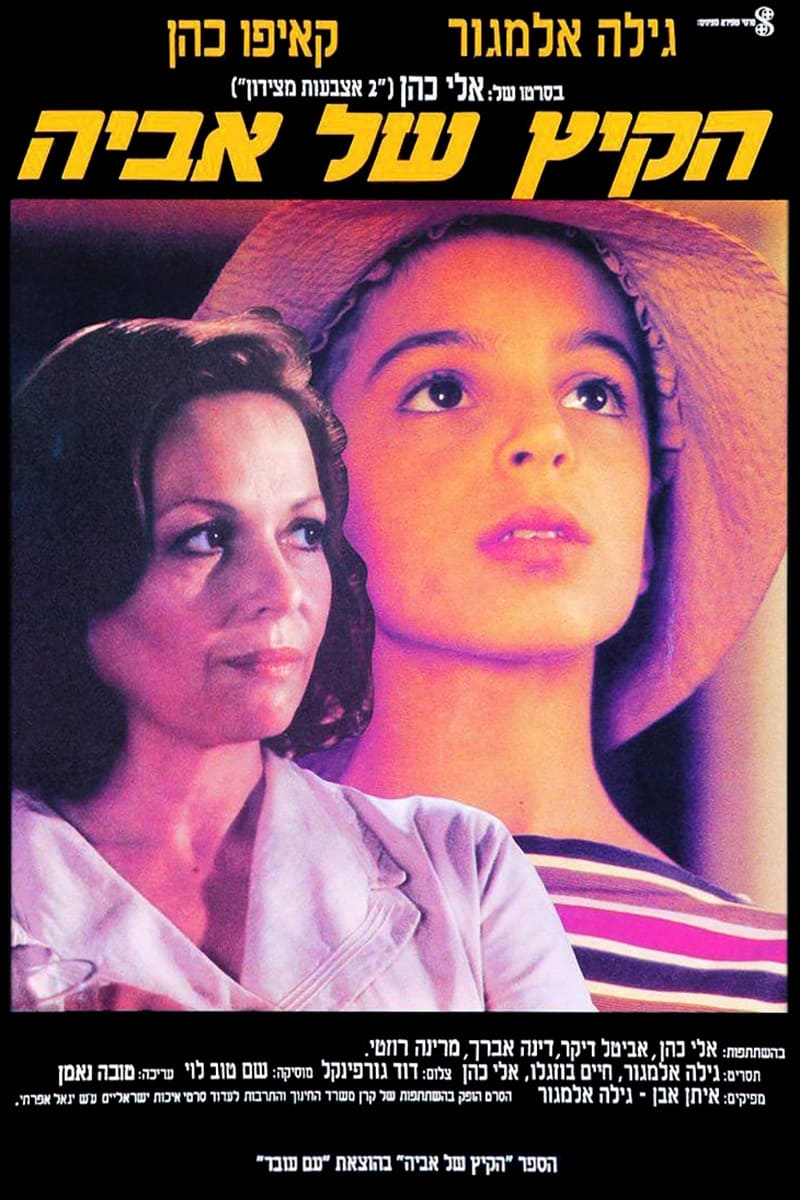
Aviya's Summer
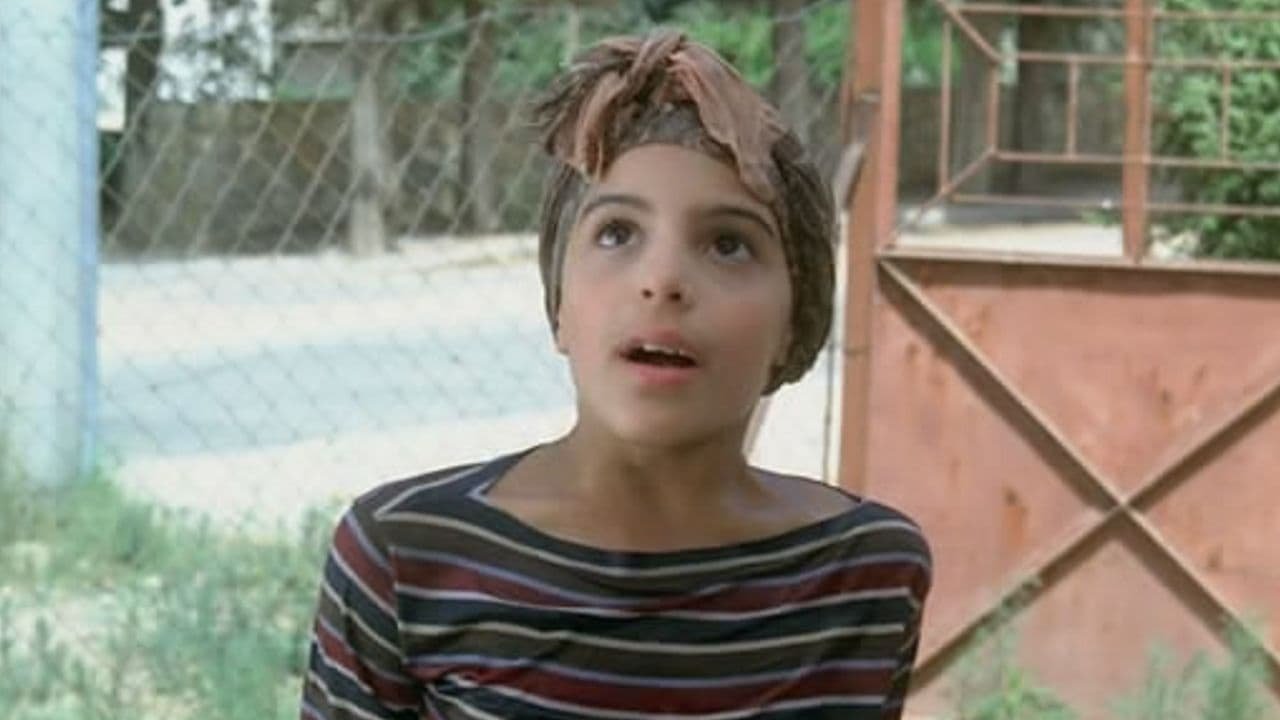
A young girl and her mother both carry the scars of their experiences during the holocaust in this drama from Israel. In 1951, Aviya is a ten-year-old girl being raised by her single mother, Henya, in a small village in Israel. Henya is a survivor of a Nazi concentration camp, and has come out of the experience considerably worse for wear; she's haunted by the memories of her past, and has become emotionally unstable. Circumstances for her and her daughter are hardly improved by the poverty of the newly wounded state of Israel, and their own difficult economic circumstances. Aviya, meanwhile, is obsessed with finding her missing father, and wonders if he might be the man who has just moved into their village. Henya, however, knows better, and knows why Aviya's father is never coming back to them.
Insights
Plot Summary
In the summer of 1958, eight-year-old Aviya lives a seemingly idyllic life with her family on a kibbutz. However, her world is turned upside down when she overhears a conversation that reveals a dark secret about her family's past. As she investigates, she uncovers hidden truths and confronts the complexities of love, loss, and belonging.
Critical Reception
Aviya's Summer was a critically acclaimed Israeli film that resonated with audiences for its poignant storytelling and sensitive portrayal of childhood innocence confronting adult realities. It was praised for its emotional depth and the strong performances of its young cast, particularly Tchelet Filber in the titular role.
What Reviewers Say
A moving coming-of-age story set against a specific historical backdrop.
Praised for its sensitive direction and the natural performances of its child actors.
Explores themes of family secrets and the loss of innocence with grace.
Google audience: Audience reviews for Aviya's Summer highlight its powerful emotional impact and the relatable struggles of its young protagonist. Many viewers found the film to be a touching and memorable experience, appreciating its authentic depiction of childhood and the complexities of family relationships.
Awards & Accolades
Won the Silver Dove at the 1989 DOK Leipzig Film Festival.
Fun Fact
The film is set in 1958, a period significant in Israeli history, reflecting on the early years of the kibbutz movement and the societal shifts occurring at the time.
AI-generated overview · Verify ratings on official sources