
Movie spotlight
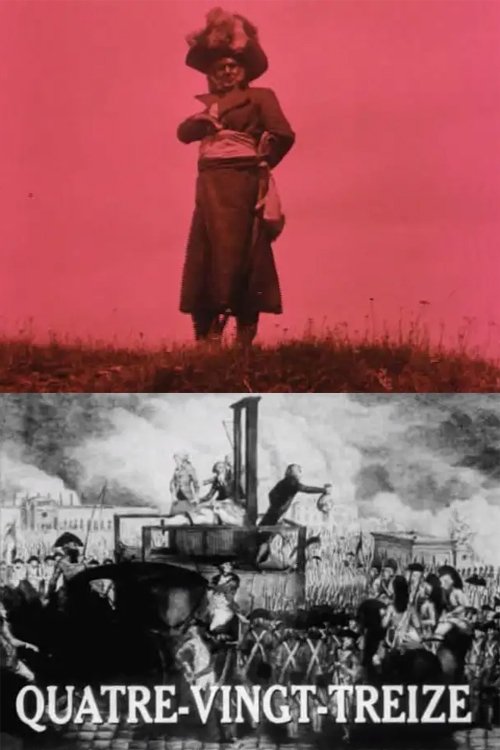
Ninety-Three
In Britain, during the revolution, the nephew of the Marquis de Lantenac, Gawain (P. Capellani) befriends Cimourdain (H. Krauss), a priest who follows the precepts of the Revolution. During the Terror, the Marquis went into exile in England while his nephew is a soldier in the Revolutionary Army ...
Insights
Plot Summary
Set during the French Revolution, the film depicts the brutal conflict between the Republican forces and the Vendean rebels. It focuses on the plight of ordinary people caught in the crossfire, highlighting themes of loyalty, betrayal, and the devastating human cost of war.
Critical Reception
As a silent film from the early 1920s, "Ninety-Three" received limited contemporary critical reviews that are widely accessible today. However, its historical significance lies in its adaptation of Victor Hugo's novel and its attempt to capture a tumultuous period of French history on screen. While likely praised for its ambition and dramatic scope at the time, modern assessments often view it through the lens of early cinema's technical and narrative conventions.
What Reviewers Say
An ambitious historical epic capturing the drama of the French Revolution.
Faithful adaptation of Victor Hugo's complex narrative.
Early cinematic efforts to portray large-scale historical events.
Google audience: Information regarding specific Google user reviews for this early silent film is not readily available.
Fun Fact
This film is an adaptation of Victor Hugo's historical novel of the same name, which was published in 1874, making it one of the earlier literary adaptations in cinema.
AI-generated overview · Verify ratings on official sources