Movie spotlight
Peter the Tramp
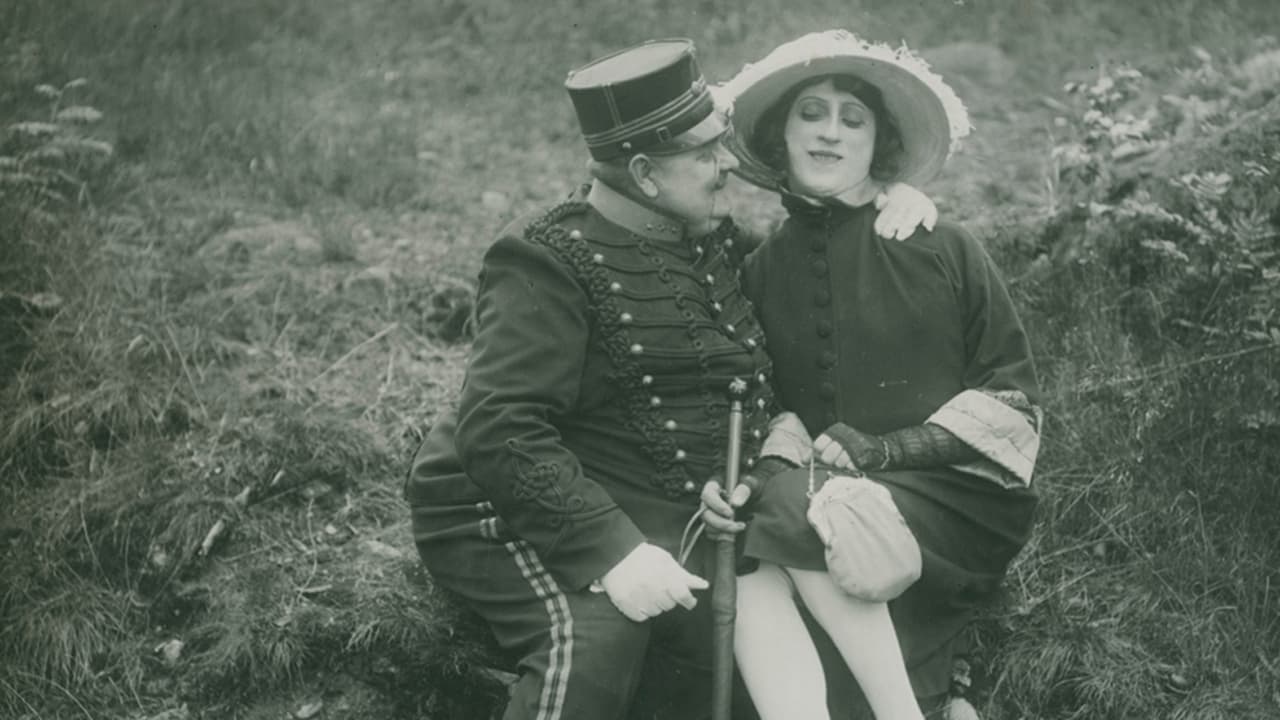
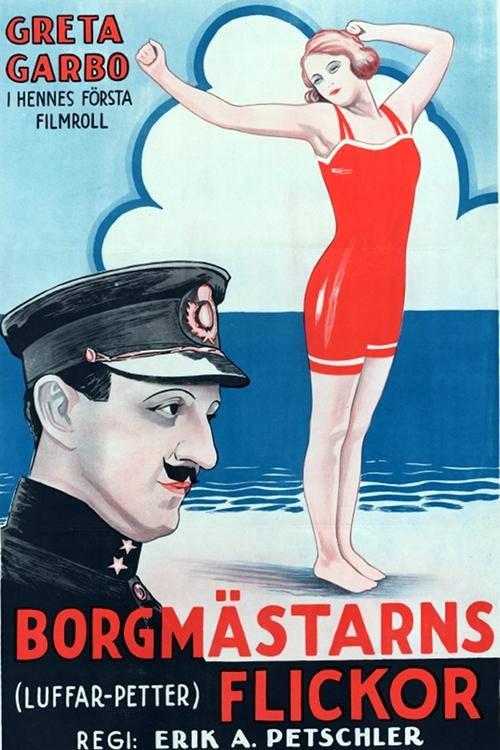
Greta Garbo in her first feature "Luffar-Petter" (Petter The Tramp) 1922. Only a 10-minute fragment of the film has survived. She plays one of the three daughters of a fireman who is robbed by the vagrant Peter. The two leading male roles—the fireman and the vagrant—are played by Eric Petschler, who is also the film's director and screenwriter.
Insights
Plot Summary
This short film follows the poignant journey of Peter, a young orphan who dreams of a better life. Faced with the harsh realities of poverty and abandonment, Peter navigates the streets, encountering both kindness and cruelty. His resilience and optimism shine through as he searches for belonging and a place to call home.
Critical Reception
As a silent short film from the early 1920s, 'Peter the Tramp' received limited widespread critical review in its time. However, contemporary accounts and later film historians often note its sentimental portrayal of childhood hardship and its effective use of visual storytelling to evoke emotion. The film is recognized for its early explorations of social themes within the short film format.
What Reviewers Say
The film effectively uses visual cues to convey Peter's emotional journey.
A touching, albeit simple, narrative of an orphan's struggle.
Represents an early example of social commentary in short-form cinema.
Google audience: Information regarding specific Google user reviews for this early silent film is not available.
Fun Fact
The director, B. Reeves Eason, was a prolific filmmaker known for his work in Westerns and as a stuntman, bringing his action-oriented background to even his more dramatic shorts.
AI-generated overview · Verify ratings on official sources