Movie spotlight
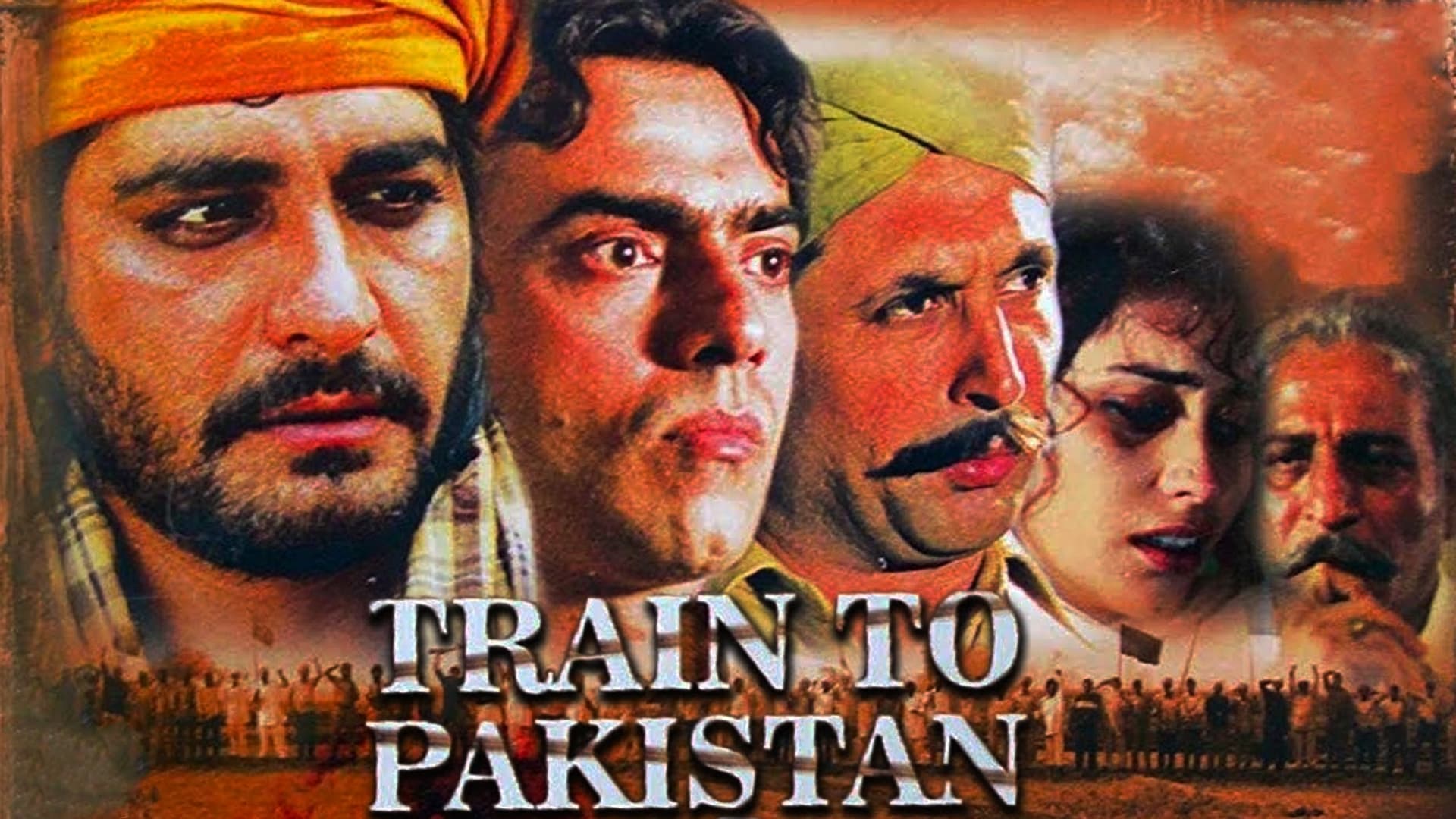
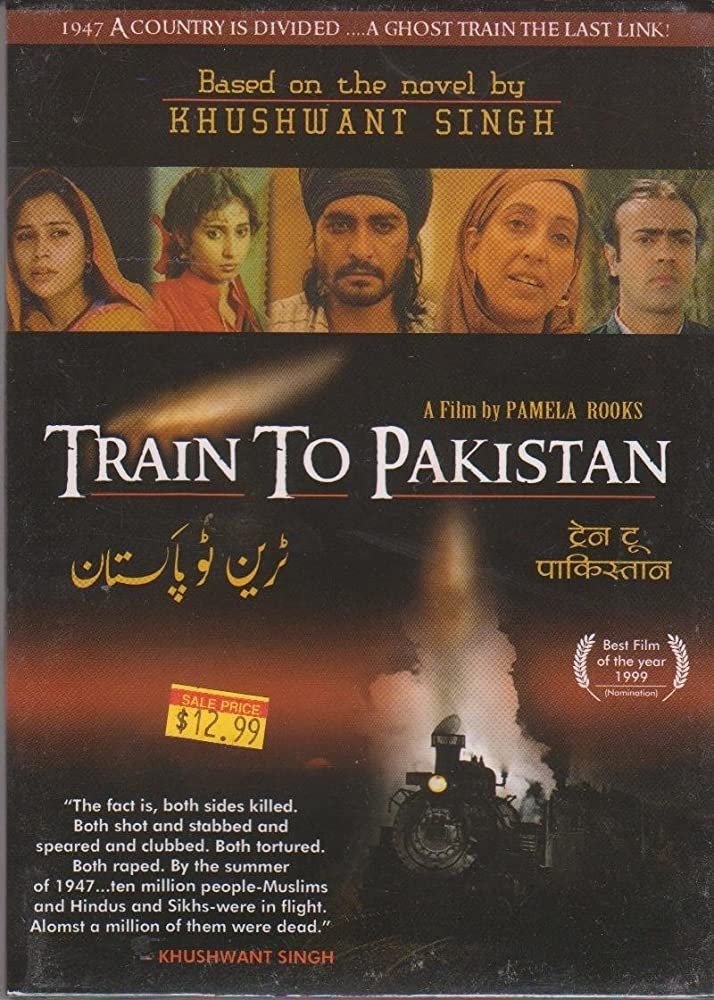
Train to Pakistan
Tensions run high near the border of British India, which is about to be partitioned with a new country called Pakistan. Sikhs living in this border town have heard numerous stories of Muslims killing, raping, and looting other Sikhs, Hindus, and Christians, and many of whom are their friends and relatives. Enraged at the loss of law and order, they plan their own attack on a trainful of Muslims leaving British India. The train is overcrowded with tens and thousands of migrating passengers, who are even perched on the windows and seated on the roof of this train. The plot is to tear the bridge down when the train is on it, and no one will dare stop these men to carry out this horrific task
Insights
Plot Summary
Set during the tumultuous period of the Partition of India in 1947, the film depicts the human cost of this historical event through the lens of a small village. As tensions rise between Hindu and Muslim communities, the arrival of a train carrying refugees exacerbates the existing anxieties and foreshadows the widespread violence to come. The narrative focuses on the intermingling lives and relationships within the village, which are irrevocably altered by the political upheaval.
Critical Reception
Pamela Rooks' 'Train to Pakistan' is a poignant and somber portrayal of the 1947 Partition, earning recognition for its sensitive handling of a complex historical event. While critically appreciated for its historical depth and emotional resonance, its commercial performance was moderate. The film is often cited for its powerful performances and its unflinching look at the human tragedy of partition.
What Reviewers Say
Praised for its faithful adaptation of Khushwant Singh's seminal novel.
Commended for its sensitive and unflinching depiction of the human tragedy during Partition.
Noted for strong performances, particularly by Naseeruddin Shah and Smita Patil.
Google audience: Information on specific Google user reviews and their sentiments is not readily available for this film.
Fun Fact
The film is based on Khushwant Singh's acclaimed 1956 novel of the same name, which is considered one of the most significant literary works about the Partition of India.
AI-generated overview · Verify ratings on official sources