IMDb7.1/10
Rotten Tomatoes95%
Director: D.W. Griffith•Genres: Drama, Romance, Silent Film
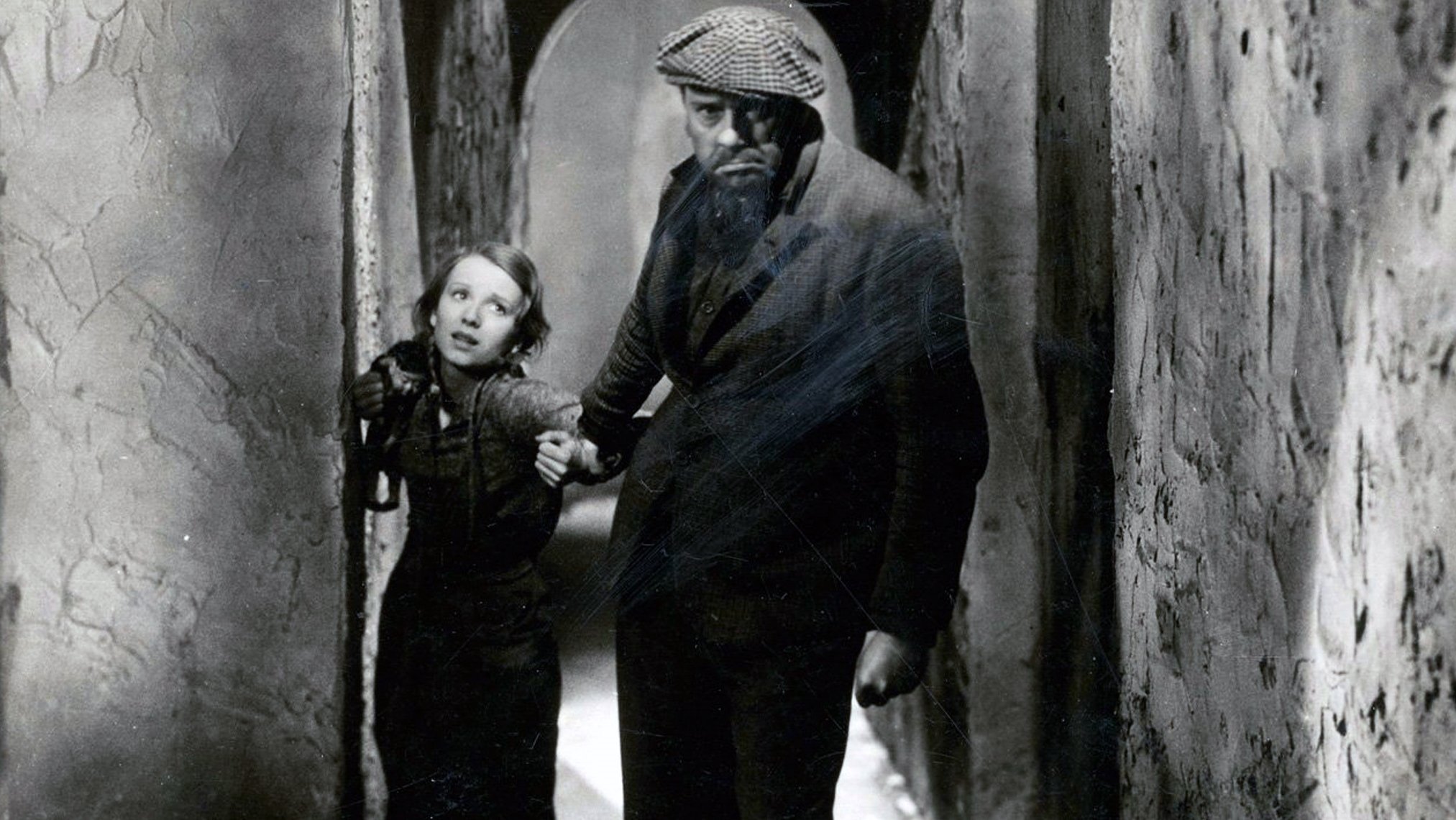
In the grimy, industrial district of Limehouse, London, a downtrodden young woman named Lucy forms a tender bond with a Chinese sailor named Cheng. Their fragile connection blossoms amidst the harsh realities of poverty and prejudice. However, Lucy's abusive father, a zealous Battling Burrows, discovers their relationship, leading to tragic consequences.
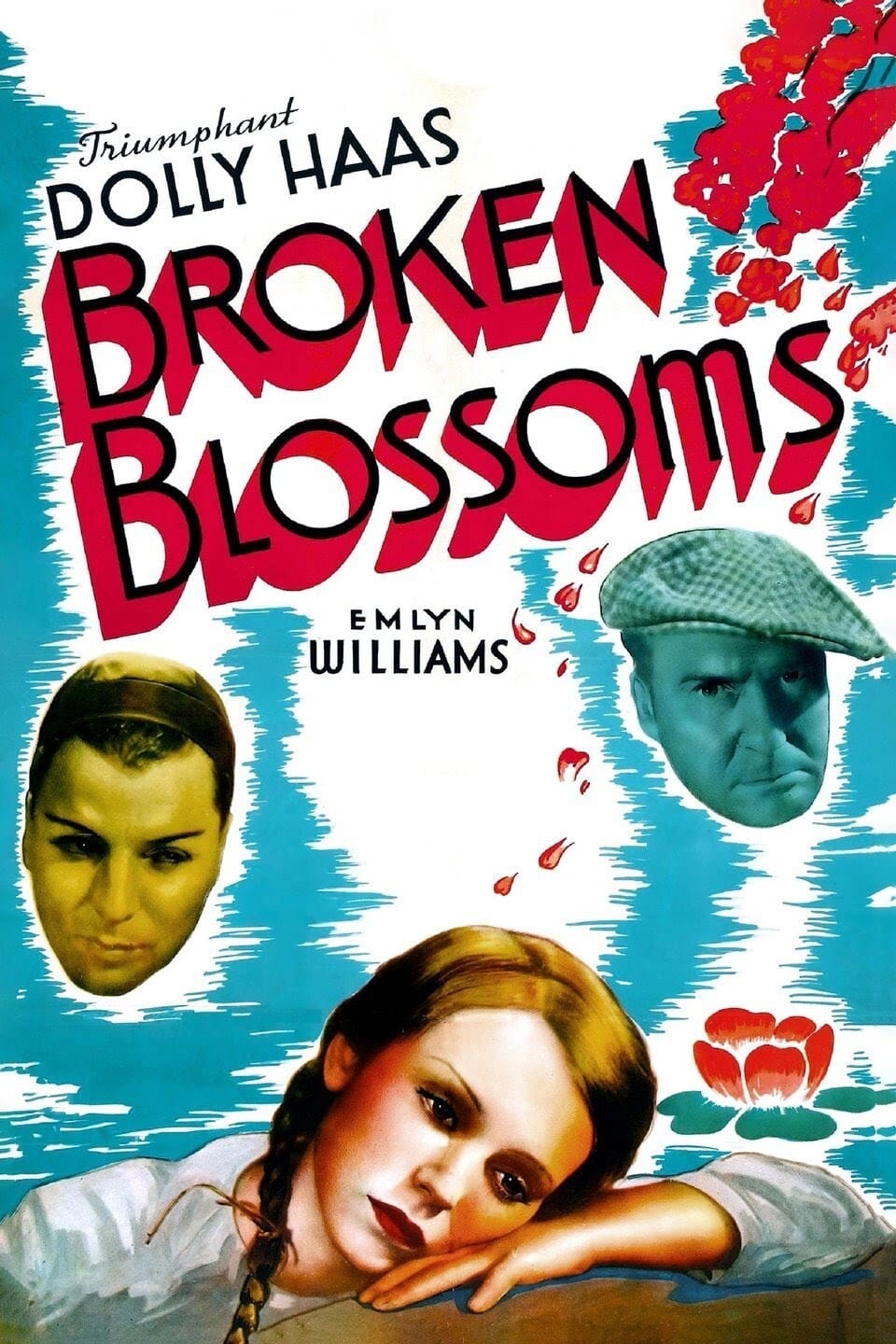
While originally released in 1919, this 1936 re-release of D.W. Griffith's 'Broken Blossoms' (also known as 'The Yellow Man') was met with continued critical appreciation for its groundbreaking visual storytelling and poignant performances. It is widely considered a landmark film in cinema history, praised for its emotional depth and Griffith's pioneering use of close-ups and lighting. However, some modern viewers find its racial depictions problematic by contemporary standards.
A visually stunning and emotionally resonant melodrama.
Lillian Gish delivers a career-defining performance.
Pioneering cinematic techniques that influenced generations.
Google audience: Audience reception for this classic silent film is not widely tracked on Google. However, its enduring legacy suggests a strong appreciation for its artistry and emotional impact.
None notable for the 1936 re-release; the original 1919 film is recognized for its historical significance.
D.W. Griffith was famously meticulous about his actors' performances, particularly Lillian Gish, who reportedly had to perform 127 takes of one specific emotional scene.
AI-generated overview · Verify ratings on official sources